Lake Ray Hubbard wraps Rowlett on three sides, and a rebuilt generation of homes stands at its heart. This city's chimneys carry stories most cities never wrote, we read every one.
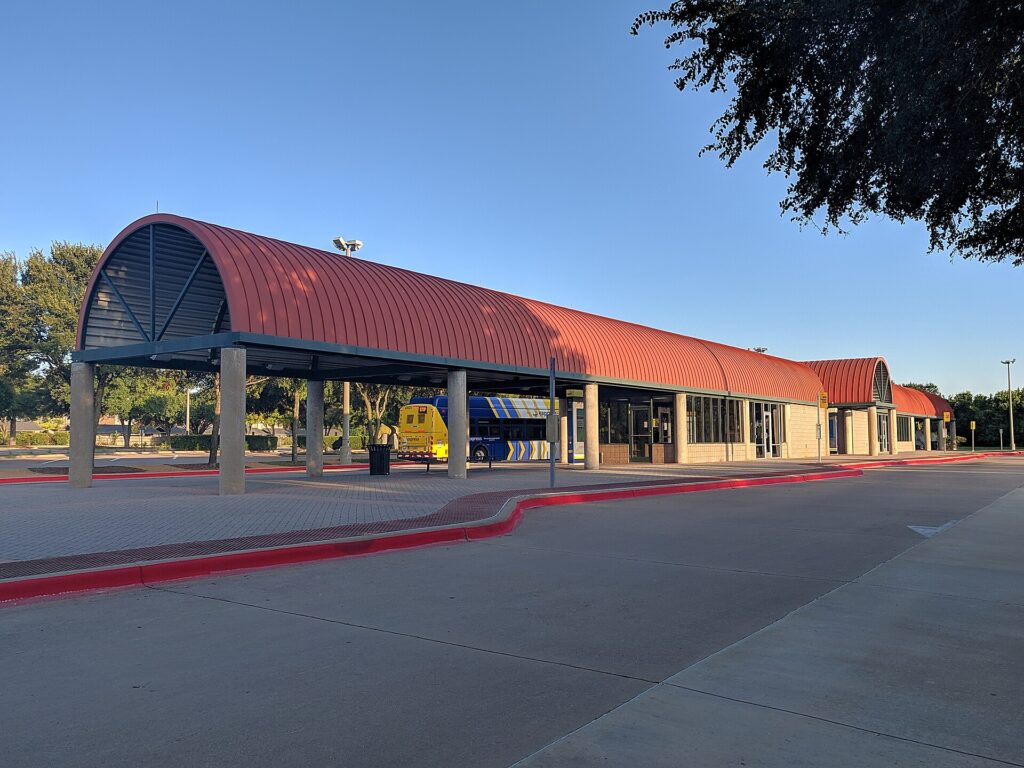
Rowlett grew up a lake town, when Ray Hubbard filled in the 1970s, the little rail community found itself a peninsula city, and the grids that followed filled it with family brick. Then came the night that split the city's history in two: December 26, 2015, when an EF4 tornado crossed the lake arm from Garland and cut through Rowlett's heart, taking hundreds of homes in minutes.
Rowlett rebuilt, fast, proud, and thoroughly. Which means the city now runs on three chimney generations at once: the pre-storm originals at renewal age, the rebuilt cohort now crossing its first decade, and the lakeside streets where Ray Hubbard's moisture works on all of it a little faster.
The toolkit reads all three: camera inspections with the tornado-legacy checklist for anything near the path, tuckpointing for original joints going soft, flashing repair as the rebuilds' sealants finish their first service life, and stainless cap installation that shrugs off lake weather.
The original downtown blocks near Main Street and the '70s-'90s lake-boom grids hold the pre-storm seniors, first-renewal masonry, soft joints, tired caps. The rebuilt streets along the 2015 path carry the newest cohort, whose builder-grade covers and flashing are hitting the ten-year mark together, block by block.
And the lakeside neighborhoods, from the marinas to the peninsula points, add Ray Hubbard's quiet tax to every generation: a touch more moisture, a touch faster rust, a touch more freeze-thaw grip each winter.
Logistics: Rowlett anchors the lake end of our eastern loop off I-30 and the Bush Turnpike, same-week standard, FAST-scheduling when routes align, seven days a week.
Recognize your generation? Call (214) 225-8874, the eastern loop runs daily.
A Typical Rowlett Project
A brick two-story a few streets off the 2015 path, it kept its roof that night and never got a second look. Nine years later the camera and the ladder told the story: stair-step shear cracks through the upper courses, widened season by season by freeze-thaw until daylight showed through one joint. We repointed the racked courses in matched mortar, documented every step, and the owner finally closed a file that had been quietly open since the day after the storm. Rebuilt once, protected always, that's the Rowlett promise.
Rowlett's sky delivers the eastern corridor's full menu, spring hail, freeze-thaw winters, and the memory of one December night that needs no reminder here, while Ray Hubbard adds its quiet tax of moisture to every rooftop near the water. Original mortar feels it deepest, rebuilt-era metal shows it first, and the clay beneath flexes all of it through every wet-dry season.
One rule covers all three generations: NFPA 211 calls for annual inspection of every chimney, guidance the Chimney Safety Institute of America puts in homeowner terms. In a city where some masonry survived an EF4 and some was born from one, that annual look carries extra weight.
The downtown blocks and lake-boom grids, '70s-'90s originals at first-renewal age. The 2015 path and its shoulders, survivors owed a dedicated look, rebuilds crossing their first decade. The lakeside streets, every generation, plus the water's tax. The newest eastern phases, chase-era systems just starting their clocks.
Photos before prices, history read before repairs written, and no storm-chaser theatrics in a city that met the real thing. The before-and-after gallery shows the work; the reviews come from every generation of Rowlett rooftops.
Rowlett rides our eastern loop out I-30 and the George Bush Turnpike, same-week appointments are the standard, FAST-scheduling happens when routes align, and we run seven days a week, 8AM to 8PM with your window confirmed the day before.
Rowlett splits into three files: the pre-tornado originals, '70s-'90s brick at first-renewal age with soft joints and tired caps; the rebuilt generation, homes raised after December 2015 whose chase covers and flashing are now hitting the ten-year mark together; and the lakeside streets, where Ray Hubbard's moisture nudges rust and freeze-thaw along faster on everything it touches.
Because wind-racked masonry doesn't always fail the night of the storm. The December 26, 2015 EF4 crossed from Garland into Rowlett with catastrophic force, and homes near the path that survived took racking loads their brick absorbed quietly, shear cracks that freeze-thaw has widened a little more every winter since. If your home stood through it and the chimney never got its own dedicated inspection, that check is a decade overdue.
The blocks around the original downtown near Main Street hold the founding masonry, with the '70s and '80s grids that filled in as the lake drew families right behind. Those neighborhoods carry Rowlett's senior flues, original crowns, caps, and clay tile now well into renewal age.
It was too new in 2017. The rebuilt cohort is now approaching ten years old, exactly when builder-grade chase covers show their first rust, flashing sealants finish their service life, and gas log sets installed during reconstruction are overdue their first real service. A whole generation of Rowlett homes is arriving at that window together, street by street.
Modestly and predictably. With water on three sides of the city, lakeside streets cycle a touch more moisture through brick faces and metal components, rust arrives a little sooner, freeze-thaw gets a little more to work with, and caps and covers earn their keep a little faster. Nothing that changes the plan; it just makes the annual look more worth keeping.
The same seasonal swell-and-shrink that works every North Texas foundation, original slabs drift from their masonry stacks a hairline at a time at the roofline seam, and rebuilt-era veneer prints stair-step lines after dry summers. Stable hairlines are ordinary aging; gaps that widen each cycle get measured, photographed, and planned.
Regularly, the eastern corridor takes hail most springs, and Rowlett follows the pattern: roofs replaced on insurance while chimney tops stayed off the claim. Dented caps on the originals and creased covers on the rebuilds both trace to storms whose shingle claims closed long ago. Roof newer than the chimney top is the tell worth acting on.
Late summer through September beats the metroplex rush, warm months suit masonry and flashing work best, and rebuilt-cohort homes crossing the ten-year line should treat this season as their first real maintenance window. For anything near the 2015 path that's never had a dedicated look: sooner, not later.
The eastern loop pairs Rowlett with Garland, the neighbor that shared the storm, and Mesquite down the corridor, both page-deep already, with Sachse and Wylie page-deep too, and Rockwall across the bridge. Every one of the 98 DFW cities we serve is listed now.
Free online quotes · Tornado-legacy audits · Lakeside-grade metal · Open 7 days
(214) 225-8874📍 1008 Ridgefield Dr, Plano TX 75075 | 🕗 Open 7 days · 8AM-8PM
"Very pleased with the professionalism and promptness of service. The chimney sweep was done quickly and efficiently at significantly less cost than the first quote I got from another company. Happy to recommend Lowes Chimney Sweep to anyone in Plano!"
"Outstanding chimney sweep service from start to finish. They were punctual, courteous, and left our chimney spotless with no mess in our home. I won't use anyone else for chimney services in Dallas TX!"
More reviews from homeowners across the metroplex are on our reviews section, or learn more about our team before you book.
Full-service chimney care across Rowlett and the DFW metroplex.
Helpful guides: