Lowes Chimney Sweep Blog
What a Chimney Inspection Actually Includes
By the Lowes Chimney Sweep crew · Plano, TX
"Chimney inspection" gets used loosely. For some companies it means a technician glancing up the flue with a flashlight. For others it means a camera survey of the entire liner and a written report. Knowing the difference matters, because it decides whether you actually learn anything about your chimney.
Here is what a real inspection covers, the three standardized levels and when each applies, and what you should walk away holding.
The three inspection levels
National fire safety standards define three levels of chimney inspection. Any competent company should be able to tell you which one they are performing and why.
| Level | What it covers | When it applies |
|---|---|---|
| Level 1 | Readily accessible parts of the chimney, structure and flue; basic soundness and obstruction check | Annual routine inspection on a chimney in continued service with no changes |
| Level 2 | Everything in Level 1 plus attic, crawlspace and roof access, and a video scan of the full flue interior | Property sale or transfer, after a chimney fire or severe weather event, or any change of fuel or appliance |
| Level 3 | Everything above plus removal of masonry or components to reach concealed areas | Only when a serious hazard is suspected and cannot be confirmed any other way |
Most homeowners need a Level 1 once a year. A Level 2 is the right call if you are buying or selling the house, if you have had a chimney fire, or if anything about the setup has changed.
What gets checked on the outside
- Crown: cracking, thickness, slope and whether it overhangs enough to throw water clear of the brick
- Flashing: condition and integration where the chimney passes through the roof, the most common leak source
- Cap or chase cover: present, correctly sized, secured, and free of rust
- Masonry: spalling brick faces, receding or missing mortar joints, cracks and any lean
- Height and clearance: whether the chimney terminates high enough above the roofline to draft properly
- Efflorescence and staining: evidence of water moving through the structure
Most of this is invisible from the yard, which is why an inspection that never leaves the living room is not telling you much.
What gets checked on the inside
- Firebox: cracked panels or firebrick, deteriorated mortar joints, gaps
- Damper: operation, seal, rust and whether it opens fully
- Smoke chamber and smoke shelf: buildup, debris, correct form
- Flue liner: cracks, gaps, missing mortar between tiles, spalling
- Creosote: how much, and which stage it has reached
- Obstructions: nests, leaves, animals, fallen masonry
- Clearances: combustible material too close to the chimney or appliance
- Connected appliance: that the stove, insert or gas unit is correctly connected and vented
Creosote stage matters more than people expect, because it changes what removal takes. Our guide to creosote stages explains the progression.
Honest Work at an Honest Number
Free online quotes · Photos before prices · HEPA dust control · Open 7 days
Call (214) 225-8874Get an Instant Estimate →📍 1008 Ridgefield Dr, Plano TX 75075 | 🕗 Open 7 days · 8AM-8PM
Why the liner gets so much attention
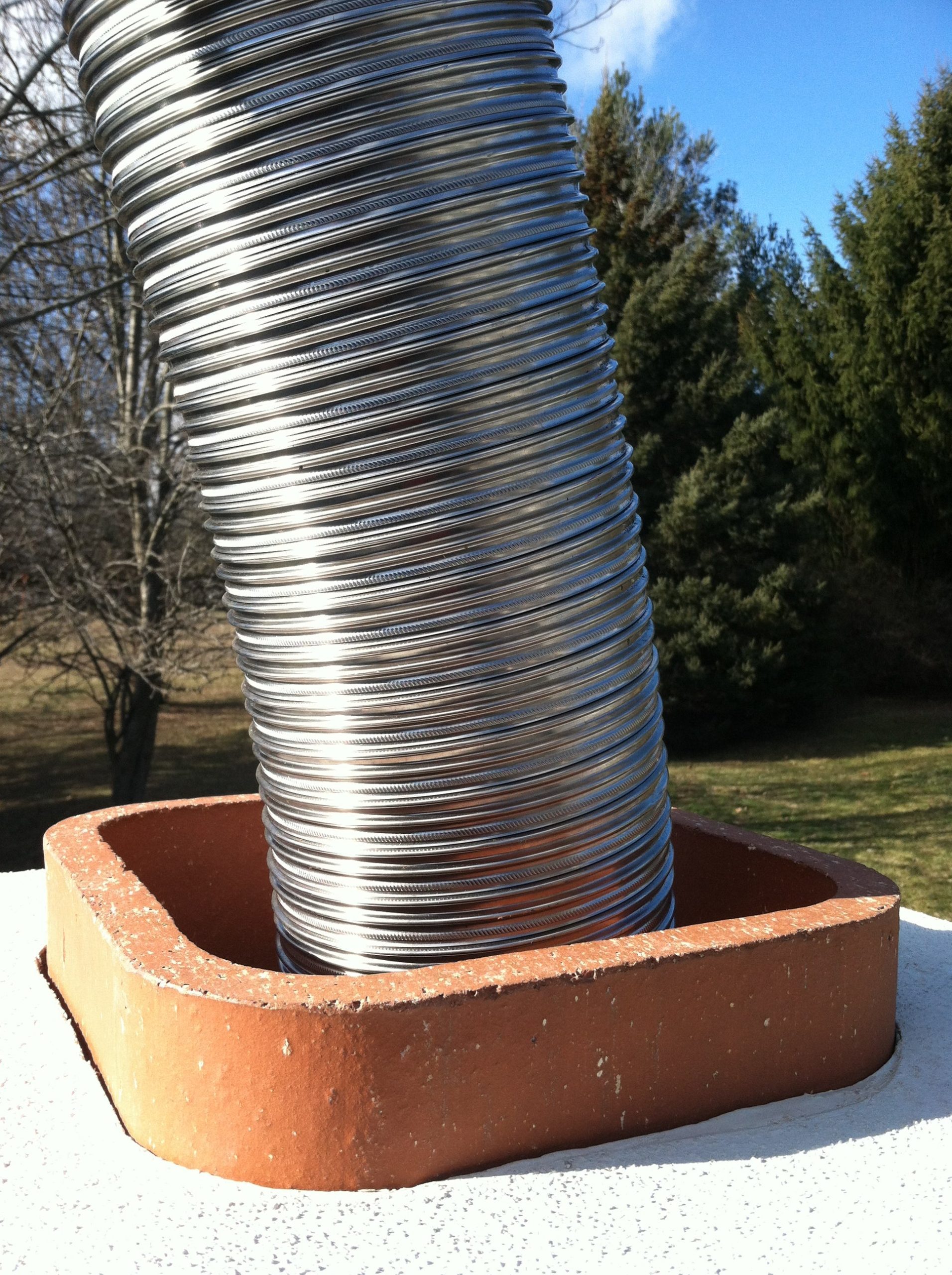
The liner is the barrier between combustion gases and the framing of your house. When it is intact, heat and gases go up and out. When it is cracked or missing mortar between tiles, heat can reach adjacent wood and carbon monoxide can enter living space. If you want the full picture, here is how a masonry fireplace and chimney are actually put together.
This is also the part you cannot evaluate from below with a flashlight. A camera scan of the full flue is the only way to actually see the whole liner, which is why Level 2 exists and why it is standard practice before buying a home.
What you should receive afterward
A useful inspection ends with information you can act on, not just a verbal "looks fine."
- Photographs of anything identified as a problem, so you can see it yourself
- A clear statement of which level of inspection was performed
- Findings separated into what is safety-critical, what needs attention soon, and what is cosmetic
- A plain explanation of any recommended repair and why it is needed
- A recommendation on sweeping based on measured buildup, not on a calendar
If a company tells you something needs replacing and cannot show you a photo of the problem, ask why. You are entitled to see what they saw.
Inspection and sweeping are not the same thing
The inspection is the assessment. The sweep is the cleaning. They often happen in the same visit, but you can need one without the other. A chimney that has barely been used may inspect fine and need no sweeping, while one burning several nights a week may need sweeping more than once a season.
The inspection is what tells you which situation you are in. We cover the schedule in how often you should sweep your chimney.
How long it takes and what to expect
A routine Level 1 inspection on a single fireplace typically takes under an hour. Add a sweep and it runs longer. A Level 2 with camera work takes longer still because the entire flue is surveyed.
You do not need to do much to prepare, but a few things help: let the fireplace go cold for at least 24 hours, clear the hearth area, and make sure the technician can get to both the fireplace and, where needed, roof or attic access. Protective coverings and HEPA dust control should be standard on the crew’s side, not something you need to request.
What it costs
Our standard single-flue chimney cleaning with a Level 1 visual inspection is a flat $299, with inspection performed on site. What anything beyond that costs depends on what the inspection actually finds, and we explain it before any work is scheduled.
The reason annual inspection is worth it even in light-use homes is that most chimney damage has nothing to do with burning. Water, weather and animals do their work whether you light a fire or not.
The bottom line
A real inspection covers the crown, flashing, cap and masonry outside, and the firebox, damper, smoke chamber and liner inside. It ends with photographs and a clear explanation, and it tells you whether you need a sweep rather than assuming it.
If it has been more than a year, book one. Chimney inspection and chimney sweeping are both things we handle across Dallas-Fort Worth.
Quick Answers
How often should a chimney be inspected?
At least once a year, regardless of how much you use the fireplace. Water damage, deteriorating masonry and animal nests happen whether you burn or not.
What is the difference between a Level 1 and Level 2 inspection?
Level 1 covers readily accessible areas and is the annual routine check. Level 2 adds attic, crawlspace and roof access plus a video scan of the full flue interior, and is standard before buying or selling a home or after a chimney fire.
Do I need a Level 2 inspection when buying a house?
It is the appropriate level for a property transfer, because it includes a camera survey of the liner, which is the part you cannot evaluate any other way.
Is an inspection the same as a sweep?
No. The inspection assesses condition; the sweep is the cleaning. They often happen in one visit, but a lightly used chimney may inspect fine and need no sweeping.
How long does a chimney inspection take?
A routine Level 1 on a single fireplace is usually under an hour. Adding a sweep or performing a Level 2 with camera work takes longer.
What should I get at the end of an inspection?
Photos of any problems found, which level was performed, findings sorted by urgency, and a plain explanation of any recommended repair.
Do gas fireplaces need inspection?
Yes. The burner, logs and venting all need annual attention, and a blocked vent on a gas appliance is a carbon monoxide risk.
How do I prepare for the appointment?
Let the fireplace go cold for at least 24 hours, clear the hearth area, and make sure the technician can reach the fireplace and any needed roof or attic access.
How much does it cost?
Our standard single-flue chimney cleaning with a Level 1 visual inspection is a flat $299, with inspection done on site. Anything beyond that depends on what is found and is explained before work begins.
Where to go next
Ready for the service? → Chimney Inspection
Keep reading: → Level 1 vs. Level 2 Inspection
Did you like this article?
Your feedback helps us write better chimney guides for DFW homeowners.
Found a typo or wording we should improve? Email us and tell us exactly what to fix.