The kilns of Ferris fired the brick that built and paved Dallas, and plenty of it stayed home in the town's own walls and chimneys. Nowhere on our map does masonry matching matter more, and nowhere do we enjoy it more.
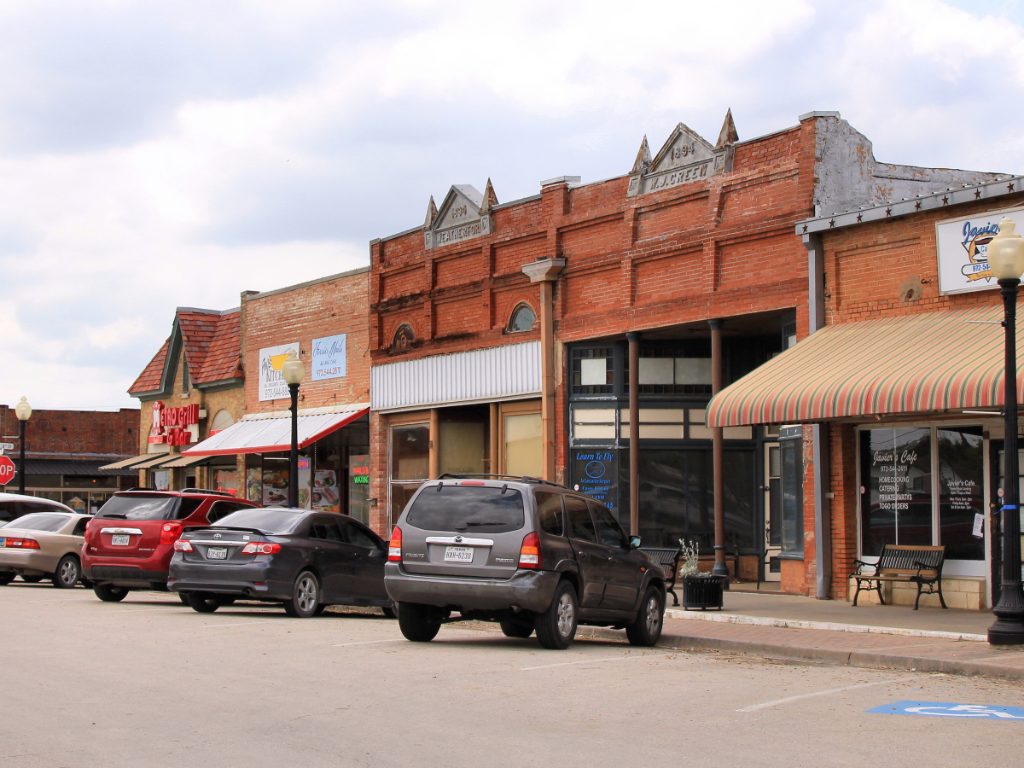
Every brick town has a story; Ferris is the story. The clay pits and kilns here earned this Ellis County town its title as the Brick Capital of Texas, and for generations its plants shipped the brick that raised buildings and paved streets across Dallas and far beyond. Walk old Main Street and you're looking at the hometown product, walls built from the ground they stand on, by the people who fired it.
In a town like this, masonry repair is a matter of civic respect. The founding blocks carry heritage brick, much of it local, with era mortar and century crowns that deserve repairs invisible to the street. The mid-century belt runs the standard renewal clock, the rural edges work real flues through real winters, and now the I-45 corridor is delivering the town's newest rooftops, warranties ticking.
The Ferris toolkit honors the product: era-true tuckpointing with mortar tuned to historic joints, rebuild work that sources reclaimed brick worthy of the wall, crown repair for every generation of top in town, and camera inspections that tell heritage masonry the truth about itself.
The original blocks hold the founding file, the neighborhoods that grew beside the plants, walls of hometown brick. The mid-century belt carries the postwar cohort into renewal season together. The rural edges run working farmhouse flues on the blackland, and the I-45 phases are writing the newest entries as the corridor's growth finally reaches the kiln town.
From clay pit to commuter phase is one small map, and the brick standard travels every street of it.
Logistics: Ferris rides the I-45 south leg with Red Oak and the Ennis corridor, same-week standard, seven days, a scheduled stop on every southern run.
The Brick Capital deserves repairs worthy of the name, call (214) 225-8874.
A Typical Ferris Project
A founding-block home with a chimney of hometown brick, two courses spalled where a decades-old crown failure had let water work: the camera confirmed the damage stopped there, reclaimed brick of matching era and character replaced the failed units, and the mortar went in tuned to the original joints. The crown was rebuilt to shed properly, and the finished stack reads as untouched from the street, local product, restored to local standard, in the town that made it.
Here's the kiln town's inheritance: the same Ellis County clay that fired a century of brick spends its off-hours moving foundations, swelling wet, shrinking dry, working every footing on its slow schedule. Hail springs chip era crowns; fronts test caps old and new. Hard-fired local brick answers with generations of proof, but mortar, crowns, and flashings answer on human schedules, and those are the schedules we keep.
The standard is universal: NFPA 211 calls for an annual inspection of every chimney and venting system regardless of age, and the Chimney Safety Institute of America keeps the homeowner guidance current. In the Brick Capital, the annual look is simple stewardship of the local product.
The founding blocks, hometown brick, century protocol always. The mid-century belt, the renewal cohort, on the clock now. The rural edges, working flues, working schedule. The I-45 phases, the newest entries, baseline years.
Reclaimed brick worthy of the wall, mortar tuned to the era, and repairs judged by whether the street can find them. The before-and-after gallery shows the craft, and our reviews ride the south leg end to end.
Ferris rides our I-45 south leg, batched with Red Oak and the Ennis corridor, same-week appointments are the standard, seven days a week, 8AM to 8PM, and the brick town is a scheduled stop, not a detour.
A kiln town's honest file: heritage brick around the original blocks, much of it fired right here, carrying era mortar and century crowns, a mid-century belt at renewal age, working rural flues on the blackland edges, and the first I-45 commuter phases bringing builder metal to town. The old file gets patient craft; the new file gets its baseline while the warranty still pays.
We treat that as a point of honor. Ferris fired the brick that built half of Dallas, and repairing it with generic modern units would be an insult the wall doesn't deserve. Matching here means sourcing reclaimed brick of the right era and firing character, blending replacement courses so color variation reads as original, and tuning mortar tone to the historic joints. Done right, the repair disappears into brick the town's own kilns made, which is the only acceptable outcome in this zip code.
The original town blocks around old Main Street, the neighborhoods that grew up alongside the brick plants hold the founding file, and plenty of it is local product. Age steps down through the mid-century streets toward the newer 45-corridor edges.
It varies by the firing, which is the honest answer a kiln town deserves. Hard-fired units, the kind that paved streets, shrug off a century; softer commons from the same era weather faster, especially where mortar failed and let water in. What matters isn't the vintage, it's the condition: sound faces and tight joints mean decades left, while spalling faces tell us water already got inside. The camera and a close look sort one from the other.
Here's the local irony: the same Ellis County clay the kilns turned into brick spends its natural life moving foundations. Blackland swells wet and shrinks dry, working every footing in town on its slow schedule, century chimneys settled into their rhythm generations ago, newer slabs are still finding theirs. We measure and photograph so verdicts rest on trend lines, not one visit's impression.
The southern corridor takes its spring storms, and the damage splits by era, heritage crowns chip, mid-century concrete cracks wider, new builder caps dent. Any storm year, photograph the chimney top inside the same claim window as the roof; dated evidence keeps the insurance conversation short.
Squarely. The I-45 phases arriving now are inside their builder warranties, which means a documented baseline, full photo record of cap, chase, flashing, and flue, can still put corrections on the builder's bill instead of yours. The brick town's newest rooftops deserve records as good as its oldest walls.
Heritage brick: the annual look before the first fire, no exceptions, local product has earned the respect. Working rural flues: before every season. New-phase owners: the baseline inside the warranty window. And the south leg books quickest once the first front lands, so late summer buys the easiest slots.
The south leg links Ferris with Red Oak across the county and Ennis down the corridor, and all 98 DFW cities we serve are on the map.
Free online quotes · Heritage matching · Era-true mortar · Open 7 days
(214) 225-8874📍 1008 Ridgefield Dr, Plano TX 75075 | 🕗 Open 7 days · 8AM-8PM
Ferris chimney calls take us all over the area, across the 75125 ZIP code. Every home here gets the same crew, the same photo documentation, and the same pricing that starts with a straight answer on the phone.
"Very pleased with the professionalism and promptness of service. The chimney sweep was done quickly and efficiently at significantly less cost than the first quote I got from another company. Happy to recommend Lowes Chimney Sweep to anyone in Plano!"
"Outstanding chimney sweep service from start to finish. They were punctual, courteous, and left our chimney spotless with no mess in our home. I won't use anyone else for chimney services in Dallas TX!"
More reviews from homeowners across the metroplex are on our reviews section, or learn more about our team before you book.
Full-service chimney care across Ferris and the DFW metroplex.
Helpful guides: