The intermodal yards put Wilmer on the logistics map, but the town itself still runs on front porches and shift rotations. Our I-45 south leg serves both, the established core and the boom phases, on hours that fit the work.
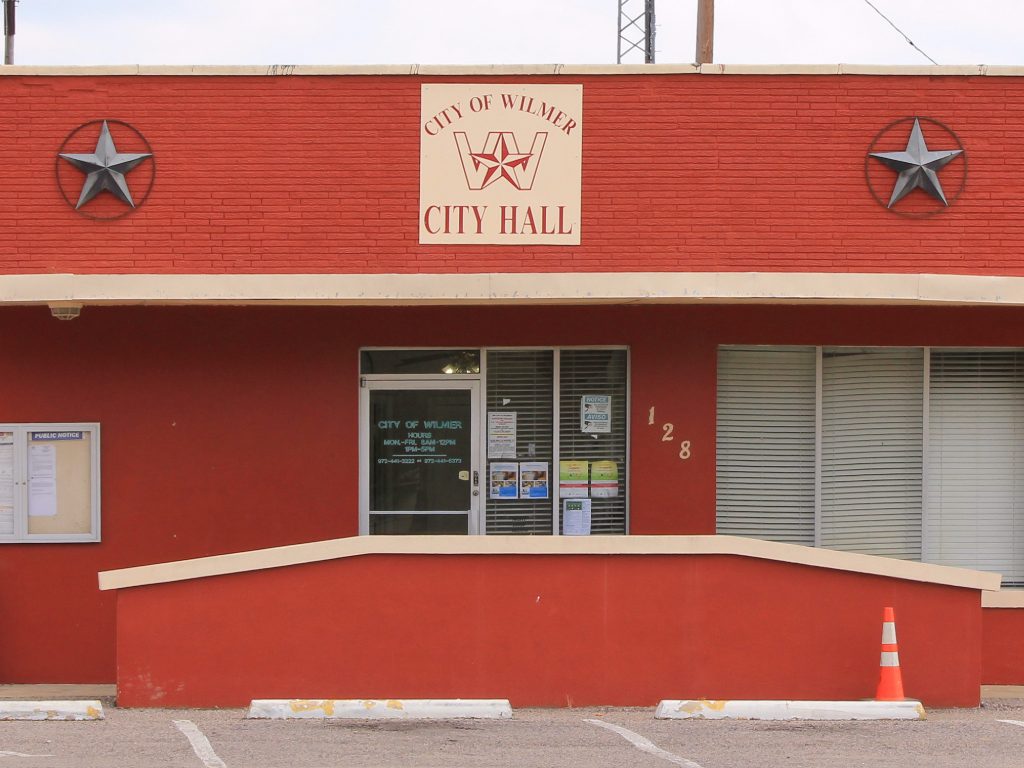
Wilmer spent a century as a quiet stop on the southern corridor, and then the metroplex's freight found it. The intermodal terminal and the warehouse miles around it made this small Dallas County town the working heart of the region's inland port, and the growth that followed runs right past front yards that have watched I-45 traffic for generations. The town that loads the metroplex's freight still comes home to its own fireplaces.
A shift-work town needs shift-work service, and that's how we built our hours. The established core carries Wilmer's senior file, mid-century masonry arriving at renewal age together, while the logistics-era phases add builder systems whose warranty clocks are running now. Both files get served on windows that respect a rotation: early before afternoons, evenings after days, weekends when the schedule finally breaks right.
The Wilmer toolkit works the corridor: stainless caps that outlast corridor weather, chase covers that shed instead of pond on the new phases, camera inspections anchoring warranty baselines and renewal verdicts alike, and honest sweeps for the hearths that warm the port's households.
The established core along the old 45 corridor holds Wilmer's founding file, renewal work arriving on schedule. The mid-century streets carry the steady middle cohort. The logistics-era phases are writing the newest entries as the inland port pulls growth south, and the rural edges still run working flues on the blackland beyond the warehouse lights.
Freight moves around the clock here, and the town's chimney service finally does the same.
Logistics: Wilmer rides the I-45 south leg with Lancaster and Ferris, same-week standard, seven days, with appointment windows built for shift schedules.
Whatever shift you're coming off, call (214) 225-8874 and we'll find the window.
A Typical Wilmer Project
A household on nights at the intermodal yard, fireplace unserviced for years because no company's hours ever fit: we took the 6PM slot after sleep and before the shift. The sweep cleared a working flue, the camera documented a crown ready for next season's repair, and the homeowner got the full photo report before clocking in. Total disruption to the rotation: zero, which was the entire point of the schedule.
Southern Dallas County delivers the standard menu, blackland moving foundations on its slow clock, hail springs testing crowns and caps by era, fronts running the corridor unbroken. The established file answers with decades of proof; the new phases answer with warranties, if somebody documents in time. Corridor dust makes everything look older than it is; the camera tells the truth underneath.
The standard runs every shift: NFPA 211 calls for an annual inspection of every chimney and venting system, and the Chimney Safety Institute of America keeps the homeowner guidance current. In the port's hometown, the annual look is just preventive maintenance, a language this town speaks fluently.
The established core, the founding file, renewal protocol now. The mid-century streets, the steady cohort, standard clock. The logistics phases, the newest entries, baseline years. The rural edges, working flues, working schedule.
Hours that respect rotations, baselines that beat warranty clocks, and renewal work done to last another generation. The before-and-after gallery shows the work, and our reviews ride the south leg end to end.
Wilmer rides our I-45 south leg with Lancaster and Ferris, same-week appointments are the standard, seven days a week, 8AM to 8PM, and the port's hometown is a scheduled stop on every southern run.
A hometown-and-boomtown split: the established core carries mid-century masonry at renewal age, original crowns, era mortar, dampers on their second generation of owners, while the logistics-era phases bring builder metal whose warranties are ticking right now. Honest renewal for the old file, documented baselines for the new one.
That's practically a Wilmer specialty. The inland port runs around the clock, and so do the households that staff it, which is why our 8AM-to-8PM, seven-day window exists. Early slots before an afternoon shift, evening slots after a day shift, weekend service when the rotation finally allows it: tell us your schedule and we'll fit the visit to it, not the other way around. Sleep through the morning; we'll take the 6PM.
The established core along the old 45 corridor, Wilmer's original blocks hold the senior file, with age stepping down through the mid-century streets to the new phases rising with the intermodal boom.
It means the town now has two chimney generations moving at once: original stock finally hitting renewal age, and brand-new builder systems arriving by the phase. For new-phase owners, the play is a documented warranty baseline, cap, chase, flashing, flue on camera, while corrections are still the builder's bill. For the established core, it's the honest renewal work the era calls for. We keep both calendars.
Southern Dallas County blackland runs the standard wet-dry arithmetic, swelling with spring rains, shrinking through summer, working every foundation on its slow schedule. Established footings settled long ago; new slabs are still finding posture. We measure and photograph so verdicts rest on trends, not single visits.
The southern corridor takes its storms, and the split shows by era, mid-century crowns chip while new builder caps dent. Any storm year, photograph the chimney top inside the same claim window as the roof; dated evidence keeps the insurance conversation short.
Not the way people fear. Road and rail vibration at residential distances doesn't crack sound masonry, what actually moves chimneys here is the clay under them and the weather over them. What corridor proximity does bring is dust and diesel film, which makes chimney tops look worse than they are; the camera sorts cosmetic grime from real wear in one visit.
Established-core masonry: the annual look before the first fire. New-phase owners: the baseline inside the warranty window. Shift workers: whatever slot fits the rotation, that's what the seven-day schedule is for. And the south leg books quickest once the first front lands, so late summer buys the easy windows.
The south leg links Wilmer with Lancaster across the corridor and Ferris down I-45, and all 98 DFW cities we serve are on the map.
Free online quotes · Shift-friendly windows · Warranty baselines · Open 7 days
(214) 225-8874📍 1008 Ridgefield Dr, Plano TX 75075 | 🕗 Open 7 days · 8AM-8PM
Wilmer chimney calls take us all over Dallas County, across the 75172 ZIP code. Every home here gets the same crew, the same photo documentation, and the same pricing that starts with a straight answer on the phone.
"Very pleased with the professionalism and promptness of service. The chimney sweep was done quickly and efficiently at significantly less cost than the first quote I got from another company. Happy to recommend Lowes Chimney Sweep to anyone in Plano!"
"Outstanding chimney sweep service from start to finish. They were punctual, courteous, and left our chimney spotless with no mess in our home. I won't use anyone else for chimney services in Dallas TX!"
More reviews from homeowners across the metroplex are on our reviews section, or learn more about our team before you book.
Full-service chimney care across Wilmer and the DFW metroplex.
Helpful guides: