Lowes Chimney Sweep Blog
7 Warning Signs Your Chimney Needs Repair
By the Lowes Chimney Sweep crew · Plano, TX
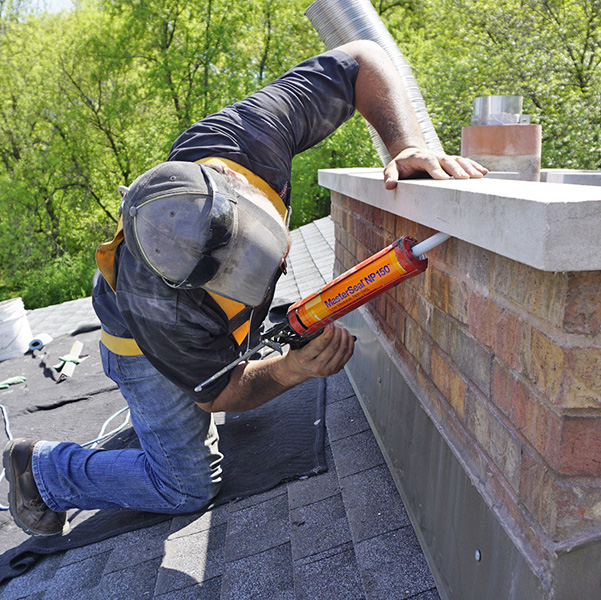
Chimneys rarely fail suddenly. They tell you for years before anything dramatic happens, usually in ways that are easy to walk past. A little white staining. A brick face that looks flaky. A damper that squeaks.
Below are the seven signs worth acting on, what each one actually indicates, and how urgent it is. Most of these are cheap to address early and expensive to ignore.
1. White staining on the brick
Those chalky white patches are efflorescence: mineral salts left behind when water moves through masonry and evaporates on the surface. The staining itself is harmless. What it tells you is not, because it means water is actively traveling through your chimney.
What you are looking at
- Powdery white or grayish patches on the exterior brick
- Often heaviest on one side, usually the weather-facing one
- Returns after being washed off
Urgency: Not an emergency, but do not ignore it. Water moving through masonry is what causes almost every expensive chimney repair, and this is the earliest visible warning.
2. Spalling brick faces
Spalling is when the face of a brick pops, flakes or crumbles off. It happens because water soaked into the brick, then expanded during a freeze, and pushed the face away from the body of the brick. Once the hard outer face is gone, the soft interior absorbs water much faster.
What you are looking at
- Brick faces that look pitted, flaked or scooped out
- Sandy debris or brick fragments at the base of the chimney
- Areas where the brick color looks lighter or rougher than its neighbors
Urgency: Address it. Spalling accelerates, and enough of it compromises the structure. Replacing a few bricks is routine; rebuilding a section is not.
3. Crumbling mortar joints
Mortar is designed to be softer than brick, so it wears first. That is by design, but it means the joints are your maintenance clock. When mortar recedes, water gets behind the brick face and into the chimney core.
What you are looking at
- Joints that look recessed compared to the brick
- Mortar you can scrape out with a key or screwdriver
- Gaps or missing sections, especially near the top
- Sand collecting at the chimney base
Urgency: Plan for it. Repointing sound masonry is far cheaper than rebuilding after water has gotten into the structure.
4. Rust on the damper or firebox
Steel inside a chimney should stay dry. Rust means water is reaching places it should never touch, and the damper sits directly under the flue, so it is often the first metal the water finds.
What you are looking at
- Orange staining on the damper plate or frame
- A damper that sticks, grinds or will not seal
- Rust on fireplace doors, the grate, or firebox metal
- On prefab units, rust streaking from the chase cover
Urgency: Investigate soon. Rust points to a cap, crown or chase cover problem above, and a damper that will not seal wastes conditioned air year round.
5. Tile shards in the firebox
This one is the most serious on the list. Most masonry chimneys are lined with clay flue tiles. If pieces are landing in the firebox, the liner is breaking up, and a compromised liner can let heat and combustion gases reach the framing around the chimney.
What you are looking at
- Thin curved pieces of terracotta-colored clay in the firebox
- Gritty debris on the smoke shelf
- Flakes appearing after a hot fire or a chimney fire
Urgency: Stop using the fireplace and get it inspected. A damaged liner is a fire and carbon monoxide hazard, not a cosmetic issue.
Honest Work at an Honest Number
Free online quotes · Photos before prices · HEPA dust control · Open 7 days
Call (214) 225-8874Get an Instant Estimate →📍 1008 Ridgefield Dr, Plano TX 75075 | 🕗 Open 7 days · 8AM-8PM
6. Smoke entering the room
A properly working fireplace pulls smoke up and out. When smoke comes into the room, something is interfering with the draft, and the causes range from trivial to dangerous.
What you are looking at
- Smoke rolling out when you first light a fire
- Smoke that appears once the fire is established
- A persistent smoky smell in the room after the fire is out
- Smoke that only occurs on windy days
Urgency: Do not keep burning through it. Causes include a partly closed damper, a blocked flue, animal nests, a house too tight for makeup air, or an undersized flue. Some are simple, some are not, and burning through it puts combustion gases in your living space.
7. Ceiling stains near the chimney
Brown ceiling stains around the chimney chase almost always mean flashing failure, the metal barrier where the chimney passes through the roof. Water follows the roof, meets the chimney, and gets in where the seal has failed.
What you are looking at
- Brown or yellowish rings on the ceiling near the chimney
- Damp or soft drywall on the adjacent wall
- Peeling paint or bubbling texture
- Staining that appears or worsens after heavy rain
Urgency: Address promptly. Ceiling stains mean water is already inside the structure, wetting framing and insulation you cannot see.
How urgent is each one?
| Sign | What it usually means | Urgency |
|---|---|---|
| White staining | Water moving through masonry | Monitor, plan repair |
| Spalling brick | Freeze damage, accelerating | Repair this season |
| Crumbling mortar | Normal wear, now overdue | Repoint before water gets behind brick |
| Rust on damper | Water entering from above | Inspect soon |
| Tile shards | Liner failing | Stop using, inspect now |
| Smoke in the room | Draft or blockage problem | Stop using until diagnosed |
| Ceiling stains | Flashing failure | Repair promptly |
Why these get expensive when ignored
Nearly every one of these traces back to water. Water gets into masonry, freezes, expands, and breaks things apart a little more each winter. Left long enough it moves from the chimney into the framing, drywall and insulation of the house itself, and at that point you are no longer paying for chimney work. If you want the full picture, here is how the parts of a masonry chimney fit together.
The cheap version of these repairs happens while the problem is still on the chimney. Our guide to crown, flashing and cap failures covers the three parts responsible for most of it.
What to do next
If you have noticed any of these, an on-site inspection is the way to find out which are cosmetic and which are structural. Our standard single-flue chimney cleaning with a Level 1 visual inspection is a flat $299, and any repair recommendation gets explained with photos of what was actually found before work is scheduled.
If you saw tile shards or you are getting smoke in the room, stop using the fireplace until someone has looked at it. Those two are not wait-and-see items.
Quick Answers
What is the white staining on my chimney brick?
It is efflorescence, mineral salts left behind as water evaporates out of the masonry. The staining is harmless, but it means water is actively moving through your chimney.
Is spalling brick serious?
Yes, because it accelerates. Once the hard brick face pops off, the softer interior absorbs water faster and the damage spreads. Replacing a few bricks early is routine work.
What do clay pieces in my firebox mean?
That is usually flue tile breaking up, meaning the liner is damaged. Stop using the fireplace and have it inspected, because a compromised liner is a fire and carbon monoxide risk.
Why is smoke coming into my room?
Common causes are a partly closed damper, a blocked flue, an animal nest, or a house too tight to supply makeup air. Do not keep burning through it until it has been diagnosed.
What causes ceiling stains near the chimney?
Almost always failed flashing where the chimney passes through the roof. Water follows the roof to the chimney and gets in where the seal has broken down.
Does rust on the damper mean the chimney is leaking?
Usually yes. Rust means water is reaching metal that should stay dry, and the source is typically a missing cap, cracked crown, or rusted chase cover above.
Which of these signs means stop using the fireplace now?
Tile shards in the firebox and smoke entering the room. Both indicate conditions that can put heat or combustion gases where they should not be.
How much does an inspection cost?
Our standard single-flue chimney cleaning with a Level 1 visual inspection is a flat $299, and diagnosis happens on site. Repair pricing depends on what is found and is explained before any work begins.
Where to go next
Ready for the service? → Chimney Repair
Keep reading: → Repair the Chimney or Rebuild It?
Did you like this article?
Your feedback helps us write better chimney guides for DFW homeowners.
Found a typo or wording we should improve? Email us and tell us exactly what to fix.