GM's assembly line built a city of ranch homes in a decade, and their chimneys are all reaching retirement age on the same schedule. We're the mid-cities' mid-century specialists. Whether you need a chimney sweep in Arlington before the first cold front, chimney cleaning on a ranch-house flue that sat idle for years, a camera chimney inspection in Arlington before closing, or chimney repair in Arlington on a crown poured in the LBJ years, a standard sweep with a Level 1 inspection is $299.
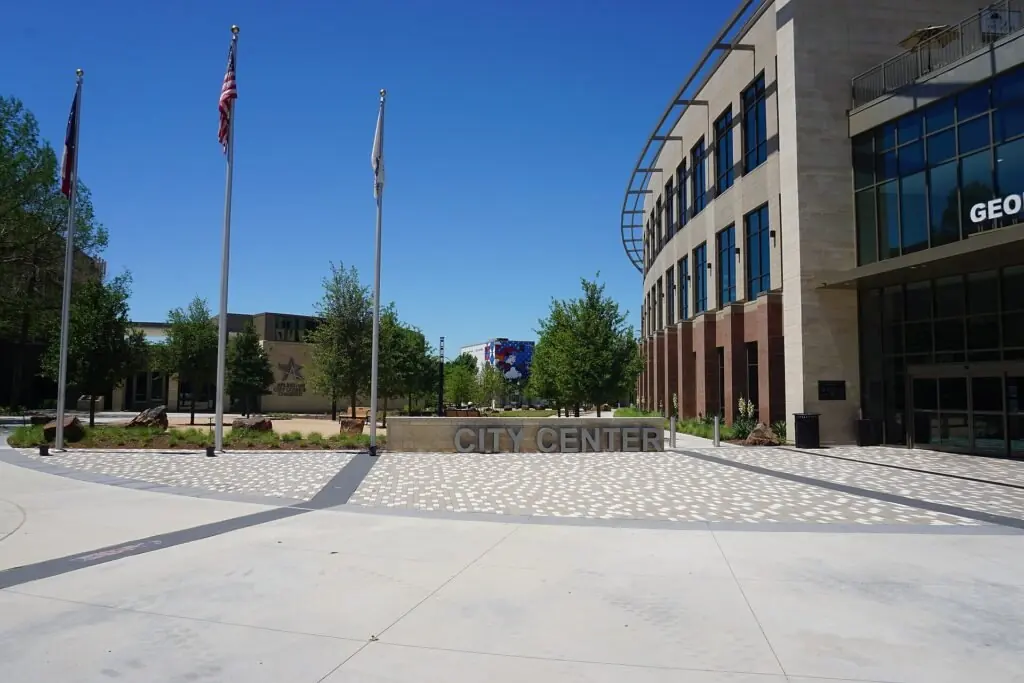
Arlington's modern story starts in 1954, when General Motors opened its assembly plant and the mid-cities filled with workers who needed houses, fast. The answer was the Texas ranch: long, low, brick, with a wide chimney anchoring the living room. Six Flags followed in 1961, the university grew, and Arlington became the metroplex's third city almost overnight.
Those ranch miles are still Arlington's backbone, and their chimneys are original equipment. Clay flue tiles from the '50s and '60s, crowns poured when Eisenhower was president, flashing sealed by hands that retired decades ago. Nothing about them is failing early; they're simply arriving, together, at the far end of their design life.
That's the work we're built for here: camera inspections that show what sixty years did to an original flue, crown repair for slabs on their last season, flashing repair where those long low rooflines meet brick, and annual sweeps with the HEPA respect a mid-century interior deserves.
The 1950s core of central and east Arlington, the streets that filled in around the GM plant's first decades, carries the oldest original-equipment chimneys in the mid-cities, matched year for year by the enclave towns of Pantego and Dalworthington Gardens that Arlington grew around.
North Arlington blends postwar blocks with the growth that followed the entertainment district, while south Arlington's '70s and '80s waves are entering classic mortar-renewal years. Around UTA, rental stock turns over every lease cycle, and smart landlords document the chimney between tenants.
And Interlochen, the canal neighborhood the whole metroplex visits every December, raises some of Arlington's tallest residential stacks over its waterways, earning a specific line on our checklist.
On logistics, honesty first: Arlington books onto the same daily I-30 runs that serve Dallas and Fort Worth, so appointments land same-week rather than same-hour, batched routes are how mid-cities pricing stays sane. We confirm your window the day before, seven days a week.
Any of these in your Arlington ranch? Call (214) 225-8874, sixty-year-old flues earn the careful look.
A Typical Arlington Project
A 1962 brick ranch in central Arlington, fireplace in weekly winter use since the Kennedy administration: the camera found the original clay tile cracked at two joints and the crown at end of life. The owner got the full photo set, an itemized report separating must-do from can-wait, a reformed crown, and resealed flashing, with liner options priced for the spring, no pressure attached. That sequence, house after house, is Arlington.
Arlington sits at the geographic center of everything North Texas weather does, the hail corridors cross here, the April 2012 tornado outbreak put funnels on the ground here, and the same freeze-thaw winters that crack new crowns have had sixty years to work on the originals. Mid-century mortar was good mortar; it has simply been on shift since the Eisenhower administration without a single relief.
The standard doesn't grandfather anyone in: NFPA 211 calls for annual inspection of every chimney, guidance the Chimney Safety Institute of America explains for homeowners, and on an original 1950s flue, that annual look is doing the heaviest lifting of its life.
1950s to 1960s, the central core, Pantego, Dalworthington Gardens: original clay tiles and crowns, now the metroplex's most senior working postwar chimneys. 1970s to 1980s, south Arlington's waves: prime mortar-renewal and cap-replacement years. 1990s onward, the newer edges pick up the industry's chase-system pivot, metal covers and all. The rentals, around UTA, age matters less than documentation; every turnover deserves a report.
Same promise at the center of the metroplex as at our Plano home base: photos before prices, written scope before work, and no theatrical urgency, a sixty-year-old chimney usually has time to plan, and the report says so honestly. The before-and-after gallery shows the standard; the reviews enforce it.
On the same daily I-30 runs that serve Dallas and Fort Worth, Arlington sits right between them, so mid-cities jobs get batched onto routes we're already driving. Same-week appointments are standard, seven days a week, 8AM to 8PM, and we confirm your window the day before.
Arlington is the metroplex's mid-century heartland, and its chimneys show it: original clay flue tiles now fifty to seventy years old and cracking from the inside, crowns poured in the Eisenhower and LBJ years reaching end of life, and flashing on those long, low ranch rooflines giving up its seal. The '70s-'80s waves in south Arlington add the usual mortar-renewal work. Different streets, same theme: original parts, past their design life.
It changes where the trouble shows up. Low, broad chimneys on single-story ranches shed hail better than tall stacks but sit closer to the roof plane, so flashing and crown failures leak into the house faster, and slab movement telegraphs into the roofline joint sooner. The maintenance rhythm is the same annual look; the checklist just leans harder on the crown, the flashing, and that fifty-year-old flue tile.
The 1950s core of central and east Arlington, the streets that filled in around the GM plant's first decades, plus the enclave towns of Pantego and Dalworthington Gardens, which Arlington grew around. North Arlington's postwar blocks match them year for year. These are original-clay-tile, original-crown chimneys, and they've earned the careful version of an inspection.
It can. The April 2012 outbreak put tornadoes on the ground in Arlington and Kennedale, and wind-racked masonry doesn't always fail on the day, it develops shear cracks that widen through years of freeze-thaw afterward. If your home was in or near those paths and the chimney never got its own inspection, that check is overdue.
The Blackland clay under Arlington swells and shrinks seasonally, and a long single-story ranch rides that movement like a raft, while the chimney, on its own footing, doesn't. The tell is a gap opening where chimney meets roofline or siding. Stable hairlines are common; a gap that grows each wet-dry cycle deserves measurement, photos, and a plan.
Regularly. Landlords around the university book documented inspections between tenants, a photo report that proves the flue, damper, and firebox were checked before move-in. It protects the tenant, the property, and the deposit conversation, and it takes under an hour on most mid-century floor plans.
Interlochen's '70s-era two-stories are some of Arlington's tallest residential chimneys, and waterside settings add a touch more ambient moisture cycling through brick faces. Nothing alarming, but taller stacks take hail first, and damp-shaded masonry holds freeze-thaw water longer. If the Christmas-lights crowds can admire the neighborhood every December, the chimneys can get one look every fall.
Late summer through September beats the metroplex-wide rush, and mid-cities routes book smoothest midweek. For mid-century homes there's a sharper rule: if that original clay flue has never seen a camera, schedule before the first fire, not after the smoke smell upstairs.
Arlington rides the corridor between two cities we already serve page-deep, Dallas to the east and Fort Worth to the west, alongside Grand Prairie and Mansfield, both page-deep now. Every one of the 98 DFW cities we serve is listed now.
Free online quotes · Original-flue camera reports · Crown & flashing specialists · Open 7 days
(214) 225-8874📍 1008 Ridgefield Dr, Plano TX 75075 | 🕗 Open 7 days · 8AM-8PM
Arlington chimney calls take us all over the area, across ZIP codes 76010, 76013 and 76016. Every home here gets the same crew, the same photo documentation, and the same pricing that starts with a straight answer on the phone. Our Arlington routes run past the Entertainment District and downtown week after week, from the UT Arlington blocks to the older brick homes near Randol Mill Park.
"Very pleased with the professionalism and promptness of service. The chimney sweep was done quickly and efficiently at significantly less cost than the first quote I got from another company. Happy to recommend Lowes Chimney Sweep to anyone in Plano!"
"Outstanding chimney sweep service from start to finish. They were punctual, courteous, and left our chimney spotless with no mess in our home. I won't use anyone else for chimney services in Dallas TX!"
More reviews from homeowners across the metroplex are on our reviews section, or learn more about our team before you book.
Core chimney services: Chimney Sweep · Chimney Repair · Chimney Cleaning · Chimney Inspection
Every service we offer Arlington homeowners, from a routine sweep to a full rebuild.
Helpful guides: