Lowes Chimney Sweep Blog
Preparing Your Fireplace for a Texas Winter
By the Lowes Chimney Sweep crew · Plano, TX
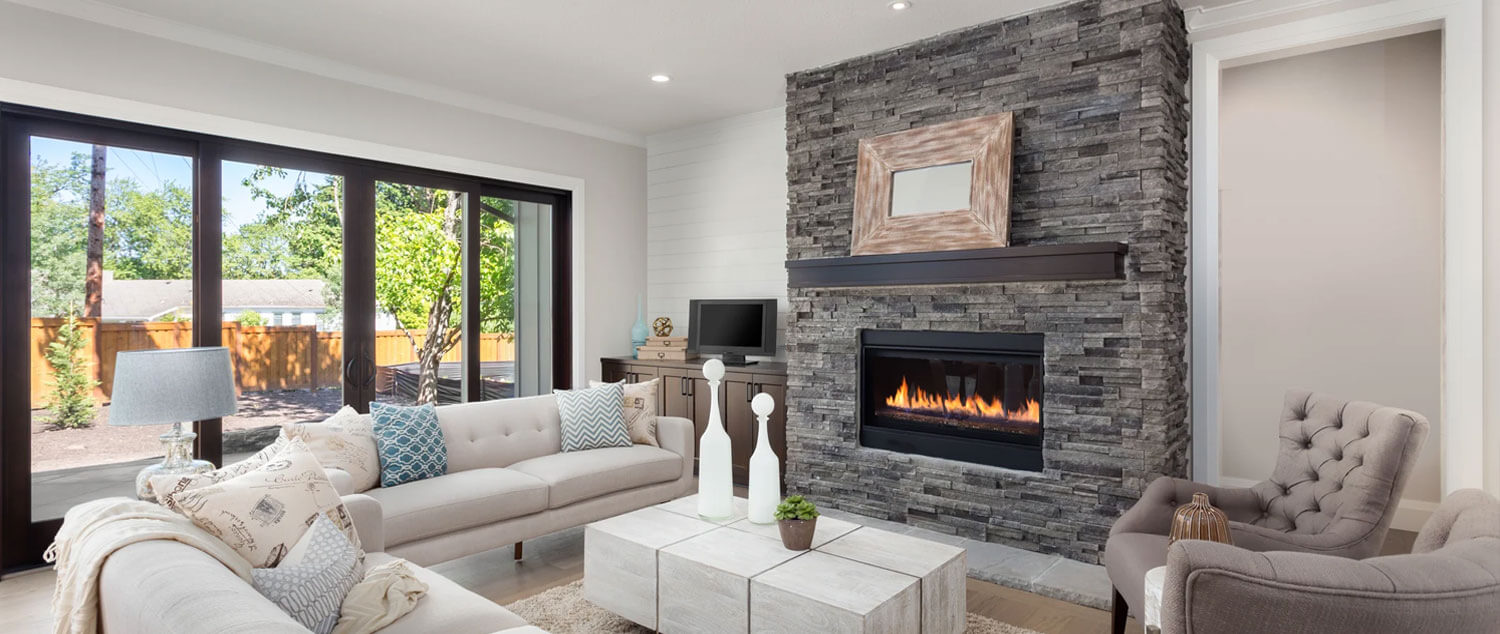
A Texas winter is not a Minnesota winter, and that shapes how people here use a fireplace. Most DFW homes light a handful of fires during a few genuinely cold weeks, then the chimney sits untouched for eight or nine months. That pattern creates its own set of problems, and it is why "we barely use it" is not the same thing as "it does not need anything."
Here is what actually needs doing before the first cold front, in the order that matters.
1. Book the inspection before the rush
Every chimney company in North Texas gets slammed the week the first real cold front arrives. Everyone remembers the fireplace at the same moment, and suddenly the calendar is three weeks out with a norther on the way.
Late summer and early fall are the easy window. The chimney has been idle for months, so anything that moved in or worked loose will show up clearly, and there is time to fix it before you actually want a fire.
An annual inspection is the baseline regardless of how much you burn. If you want detail on what that covers, see what a chimney inspection includes.
2. Check what eight months of weather did up top
The long idle stretch is when most damage happens, and none of it involves fire. Texas heat cycles masonry hard, spring storms drive water into any gap, and an open flue is an obvious place for an animal to move into.
What to look for from the ground
- Pieces of mortar, brick or concrete in the gutters or flower beds
- White chalky staining on the brick, which means water is moving through the masonry
- A cap that is visibly missing, crooked, or rusted
- Daylight, staining or streaking on the chimney face
- Any sagging or gapping where the chimney meets the roofline
What only shows up from the roof
Crown cracks, failed flashing and nesting material are usually not visible from the yard. If you have not had eyes on the top of the chimney in over a year, that is the part worth having checked, not the firebox.
If anything on that list is present, our guide to crown, flashing and cap problems explains which part is likely responsible.
3. Get the wood right
This is the single biggest thing a homeowner controls, and it is where most avoidable creosote comes from.
Seasoned means dry, not old
Wood needs to be split, stacked off the ground, covered on top with the sides open, and given six months to a year to dry. Properly seasoned wood is lighter than it looks, has cracks radiating from the ends, and makes a sharp knock rather than a dull thud when two pieces are struck together.
What to burn and what to avoid
| Burn | Avoid |
|---|---|
| Seasoned oak, hickory, pecan, ash | Green or freshly cut wood of any species |
| Hardwood split and dried 6-12 months | Pine and other resinous softwoods as a main fuel |
| Small, hot fires over large smoldering ones | Treated, painted or construction lumber |
| Kindling and newspaper to start | Trash, cardboard, wrapping paper, accelerants |
Unseasoned wood burns cool and smoky, and that smoke is exactly what condenses into creosote inside the flue. Burning wet wood is the fastest way to need a sweep sooner. Our breakdown of creosote stages covers where that leads.
4. Exercise the damper and test the draft
Before the season, open the damper fully and look up. You should see daylight in most masonry chimneys and the damper should move freely without grinding or sticking. Rust, stiffness or a damper that will not seat properly usually points to water getting in from above.
A simple draft test
With the damper open, hold a lit match or a stick of incense just inside the fireplace opening. The smoke should pull steadily up the flue. If it hangs, wanders, or pushes back into the room, do not build a fire until someone has looked at it. Poor draft means either a blockage or a pressure problem, and both push smoke into your living space.
Modern tight houses sometimes need a nearby window cracked an inch to give the fire the makeup air it needs. If your draft is marginal, try that before assuming the chimney is blocked.
5. Gas fireplaces count too
Gas is convenient and it is easy to assume nothing needs doing. The burner, logs and venting still need annual attention.
- Logs get checked for correct placement, since a shifted log changes the flame pattern and can cause sooting
- The burner and pilot assembly get cleaned, because dust and spider webs are a real cause of ignition problems
- The venting gets checked for nests, debris and corrosion
- The glass front and gaskets get inspected on direct vent units
A blocked vent on a gas appliance is a carbon monoxide concern, not just an efficiency one. Working carbon monoxide detectors on every level of the house are not optional.
Honest Work at an Honest Number
Free online quotes · Photos before prices · HEPA dust control · Open 7 days
Call (214) 225-8874Get an Instant Estimate →📍 1008 Ridgefield Dr, Plano TX 75075 | 🕗 Open 7 days · 8AM-8PM
6. Set up the room around the fireplace
Once the chimney itself is sorted, the rest is quick.
- Clear at least three feet around the hearth of furniture, rugs, decorations, stockings and anything else flammable
- Use a screen or glass doors so embers stay in the firebox
- Keep a metal ash container with a lid outside the house, never a paper bag or plastic bin
- Let ashes cool for several days before disposal, since coals hold heat far longer than people expect
- Test smoke and carbon monoxide alarms and replace batteries
Your before-winter checklist
| When | What |
|---|---|
| Late summer / early fall | Book the annual inspection while the calendar is open |
| Before first fire | Sweep if the inspection calls for it |
| Before first fire | Check cap, crown and flashing condition |
| 6-12 months ahead | Have seasoned wood stacked and covered |
| Before first fire | Exercise the damper and run a draft test |
| Before first fire | Test smoke and CO alarms |
| Each burn | Clear the hearth area, use a screen, cool ashes properly |
The bottom line
Texas fireplaces do most of their aging while nobody is using them. The prep that matters happens before the season, not during it: get the inspection booked early, have real seasoned wood ready, confirm the damper and draft work, and make sure whatever the last eight months did up top gets found before you light the first fire.
If it has been more than a year since anyone checked, that is where to start. We handle chimney sweeping and inspections across the Dallas-Fort Worth area.
Quick Answers
When should I get my chimney ready for winter in Texas?
Late summer or early fall. Booking before the first cold front means shorter waits and time to handle anything the inspection finds.
Do I need a sweep every year if I barely use my fireplace?
You need the inspection every year. Whether it needs sweeping depends on what that inspection finds, and light users often go longer between sweeps.
How can I tell if firewood is properly seasoned?
It should be noticeably lighter than fresh wood, show cracks radiating from the cut ends, and make a sharp knock rather than a dull thud when two pieces are struck together.
Why does smoke come into the room when I light a fire?
Usually a closed or partly blocked damper, a blocked flue, or a house too tight to supply makeup air. Cracking a nearby window can help, but persistent smoking needs an inspection.
Do gas fireplaces need any winter prep?
Yes. The burner and pilot need cleaning, logs need to be correctly positioned, and the venting must be clear. A blocked gas vent is a carbon monoxide risk.
How long should ashes cool before I throw them out?
Give them several days, then move them to a metal container with a lid stored outside away from the house. Coals hold heat much longer than most people expect.
How far should furniture be from the fireplace?
Keep at least three feet clear of the hearth, including rugs, furniture and seasonal decorations.
What does it cost to get the chimney ready?
Our standard single-flue chimney cleaning with a Level 1 visual inspection is a flat $299. Anything beyond a standard cleaning depends on what the inspection finds and is explained before work begins.
Where to go next
Ready for the service? → Chimney Inspection
Keep reading: → First Fire of the Season Checklist
Did you like this article?
Your feedback helps us write better chimney guides for DFW homeowners.
Found a typo or wording we should improve? Email us and tell us exactly what to fix.