Lowes Chimney Sweep Blog
Repair That Chimney or Rebuild It? The Signs That Separate a Small Fix From a Major Project
By the Lowes Chimney Sweep crew · Plano, TX
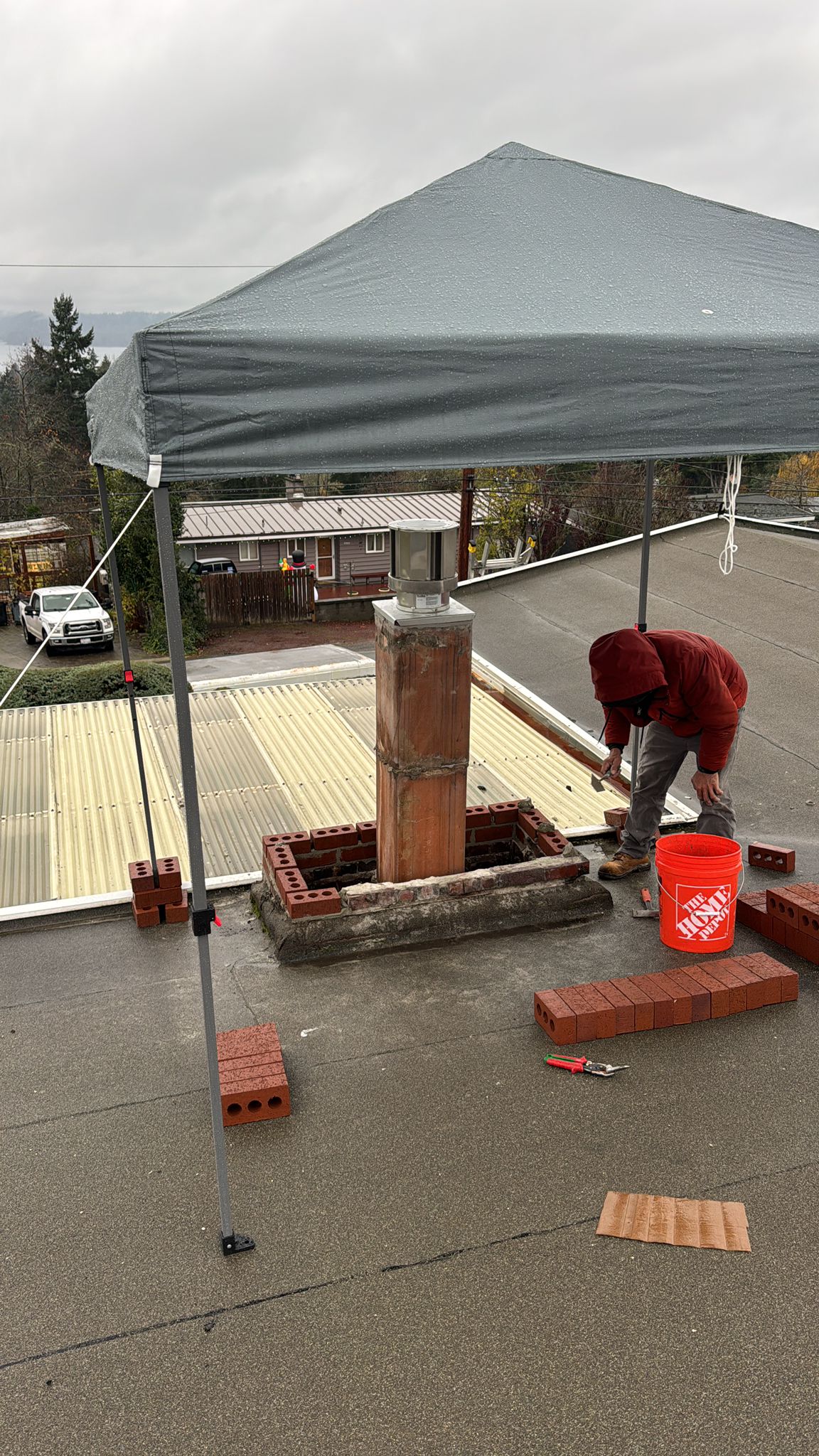
Few chimney questions carry a bigger price swing than this one: does it need a repair, or a rebuild? A targeted repair might be a few hundred dollars. A partial or full rebuild can be one of the larger home projects you'll take on. Get the diagnosis right and you pay for exactly what's needed; get it wrong and you either waste money patching something that's failing, or you overpay to rebuild something that only needed a fix. Here are the signs that separate a small repair from a major project, and how the decision actually gets made.
The Core Question: Is the Structure Sound?
Almost every repair-or-rebuild decision comes down to one thing: is the chimney structurally sound with localized damage, or is the damage widespread and structural? Localized problems, a cracked crown, some eroded mortar joints, a section of spalling brick, damaged flashing, are repairs. When the deterioration has spread through the structure, when the chimney is leaning or bulging, or when water has been quietly destroying the masonry from the inside for years, you cross into rebuild territory. The signs below are really just different ways of answering that one question.
Signs You're Looking at a Repair
Good news first: most chimney problems, caught in time, are repairs. A cracked crown that's still solid can be sealed or rebuilt on its own through chimney crown repair. Eroded or missing mortar joints are fixed by repointing, grinding out the old mortar and packing in fresh. A limited area of spalling or loose brick can be cut out and replaced. Damaged flashing gets re-flashed. A deteriorated flue liner is addressed with relining. These are all chimney repair jobs: the underlying structure is fine, and you're restoring specific components. If the damage is localized and the stack is straight and stable, you're almost certainly in repair range.
Signs You're Looking at a Rebuild
Some damage is past repairing. A chimney that is visibly leaning, tilting, or pulling away from the house has a structural problem that patching won't solve. Widespread spalling, where brick faces are flaking and crumbling across large areas, not just a spot, means the masonry has absorbed water throughout and is failing as a unit. Large step-cracks running through many courses of brick, crumbling mortar throughout the stack, or a chimney you can see daylight or significant gaps in, all point the same direction. When the deterioration is this broad, replacing individual pieces doesn't restore a sound structure, so the affected section, or the whole chimney, is rebuilt through masonry rebuilding.
Partial Rebuilds: The Middle Ground
It's not always all-or-nothing. Very often the answer is a partial rebuild, rebuilding the portion of the chimney above the roofline, which takes the most weather and deteriorates first, while leaving the sound lower structure in place. The exposed crown-and-top section is where freeze-thaw, hail, and sun do their worst, so it's common for the top few feet to need rebuilding while the rest just needs repointing and waterproofing. A good inspection distinguishes "the top is shot but the base is fine" from "the whole thing is going," which can be the difference between a moderate project and a major one.
Why "Just Repair It" Sometimes Costs More
Homeowners understandably want the cheaper repair, but repairing a chimney that genuinely needs rebuilding is often the more expensive path in the end. New mortar and brick patches bonded to a failing structure don't hold; the water damage continues underneath; and you pay again, sometimes several times, before finally doing the rebuild you needed from the start. The honest math is that matching the fix to the actual condition, even when that means a bigger project now, usually costs less than a series of patches that don't address why the chimney is failing.
How the Decision Actually Gets Made
You can't reliably make this call from the ground, and neither should anyone quoting you sight-unseen. The decision comes from a close inspection: examining the crown, mortar, brick, flashing, and liner, checking whether the stack is plumb and stable, and often using a camera to see the flue and interior condition. A trustworthy company documents what they find with photos of your chimney and shows you why they're recommending a repair or a rebuild, so you can see the evidence, not just take their word. That documented chimney inspection is your protection against both under-fixing a failing chimney and over-selling a repairable one.
The DFW Factor
North Texas pushes chimneys toward the rebuild side faster than milder climates. Expansive clay soil shifts foundations and can cause the leaning that signals structural failure. Freeze-thaw cycles and hail accelerate spalling and crown damage. And the heavy storms find every gap. It means a DFW chimney that's neglected can go from "a few repairs" to "needs a rebuild" in fewer years than owners expect, and it's the strongest argument for catching problems early, while they're still firmly on the repair side of the line.
Get a Straight Answer in the Metroplex
If your chimney is showing its age and you're not sure whether you're facing a quick fix or a big project, the worst thing you can do is guess, or let someone else guess for you. Lowes Chimney Sweep is certified, insured, and 5-star rated across Dallas-Fort Worth. We'll inspect the structure, photograph its real condition, and give you a straight, itemized answer on repair versus rebuild, without patching a chimney that needs rebuilding or overselling a rebuild on a chimney that just needs repair. Call (214) 225-8874 to schedule.
Honest Work at an Honest Number
Free online quotes · Photos before prices · HEPA dust control · Open 7 days
Call (214) 225-8874Get an Instant Estimate →📍 1008 Ridgefield Dr, Plano TX 75075 | 🕗 Open 7 days · 8AM-8PM
Not sure if it's a fix or a rebuild? Our chimney repair and documented camera inspection pages show how we diagnose it, or request your Free Online Quote below.
Quick Answers
How do I know if my chimney needs a repair or a full rebuild?
It comes down to whether the structure is sound with localized damage, which is a repair, or the deterioration is widespread and structural, which is a rebuild. A cracked crown or some eroded mortar is a repair; a leaning stack or brick crumbling throughout points to a rebuild. A close inspection makes the call.
What are the signs a chimney needs to be rebuilt?
Visible leaning or tilting, widespread spalling where brick is flaking across large areas, large cracks running through many courses of brick, crumbling mortar throughout the stack, or significant gaps. These mean replacing individual pieces won't restore a sound structure, so the affected section or whole chimney is rebuilt.
Can just the top of my chimney be rebuilt?
Often, yes. A partial rebuild replaces the portion above the roofline, which takes the most weather and fails first, while leaving a sound lower structure in place. It's common for the top few feet to need rebuilding while the rest just needs repointing and waterproofing, which can save significant cost.
Is it cheaper to just repair a chimney instead of rebuilding?
Only if it genuinely needs a repair. Patching a chimney that needs a rebuild usually costs more over time, because patches bonded to a failing structure don't hold and the damage continues underneath. Matching the fix to the real condition, even a bigger project now, often costs less than repeated patches.
Why do chimneys in DFW need rebuilding sooner?
Expansive clay soil shifts foundations and causes leaning, freeze-thaw cycles and hail accelerate spalling and crown damage, and heavy storms exploit every gap. A neglected North Texas chimney can move from a few repairs to needing a rebuild faster than owners expect, which is why catching problems early matters.
Where to go next
Ready for the service? → Chimney Repair
Keep reading: → Chimney Crown: Repair or Rebuild?
Did you like this article?
Your feedback helps us write better chimney guides for DFW homeowners.
Found a typo or wording we should improve? Email us and tell us exactly what to fix.