Lowes Chimney Sweep Blog
Creosote Buildup Stages 1, 2 & 3, When It Gets Dangerous
By the Lowes Chimney Sweep crew · Plano, TX
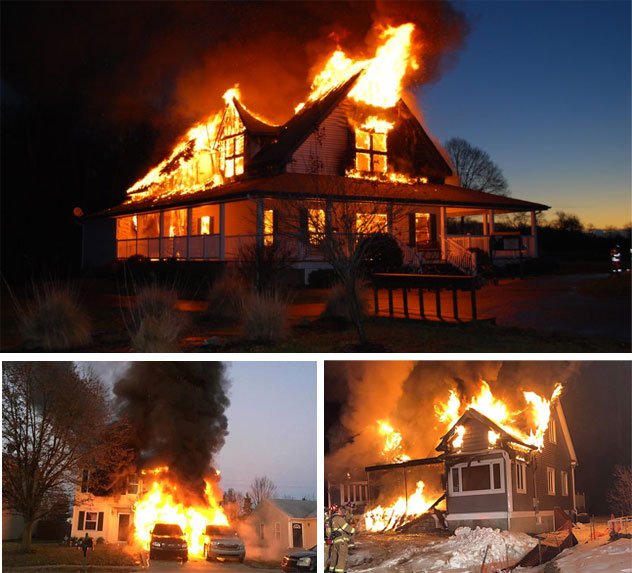
Creosote isn't one substance, it's a progression, from harmless-looking dust to a hardened glaze that burns like solid fuel. Knowing which stage lives in your flue is knowing your actual fire risk.
What Creosote Actually Is
Wood smoke is unburned fuel in gas form, tars, oils, and vapor that escaped the fire before combusting. As that smoke rises through a flue cooler than itself, those compounds condense on the walls the way steam fogs a bathroom mirror. The residue is creosote: chemically, concentrated firewood energy painted on the inside of your chimney. Every wood fire deposits some. The only questions are how fast, and what stage it's reached.
Stage 1, The Dust (Routine)
What it looks like: a soft, flaky, soot-like powder coating the flue walls.
How it forms: hot, active fires with dry wood and a strong draft, the right way to burn produces mostly this.
The risk: low in thin layers, but it accumulates with every fire.
Removal: exactly what a standard chimney sweep is built for, brushes take it off completely, and an annual visit keeps a healthy system permanently at this stage.
Stage 2, The Flakes (Time to Act)
What it looks like: hardened, shiny black flakes, like burnt cornflakes or dry tar chips, often found dropping into the firebox.
How it forms: cooler, slower fires. Smoldering overnight burns, damp wood, a damper choked down for a "longer" fire, the cozy habits are the accelerants.
The risk: real. Stage 2 layers are dense fuel, and they restrict draft, which cools the flue further and speeds up the next deposit, a feedback loop.
Removal: still very achievable professionally, rotary cleaning handles it, but it's more work than stage 1, and it's the flue's last easy exit.
Stage 3, The Glaze (The Serious One)
What it looks like: a smooth, hardened, tar-like coating, sometimes glossy, sometimes bubbled, fused to the flue walls, occasionally oozing in warm weather.
How it forms: years of stage-2 conditions, layer over layer, baked and re-melted by successive fires until it vitrifies.
The risk: this is the fuel in most serious chimney fires. Glaze is concentrated, it ignites at temperatures a hot fire can reach, and once lit it burns ferociously inside a structure never designed to contain a fire of its own, cracking liners and reaching framing.
Removal: beyond brushes. Glaze requires specialized mechanical tools or chemical treatment across multiple visits, at several times routine-sweep cost, and if a camera inspection finds the liner damaged beneath it, the conversation grows. Stage 3 is why "we'll clean it someday" is the expensive plan.
What Speeds the Stages Up
- Wet or green wood, moisture cools the fire, smoke condenses fast; seasoned hardwood is the single biggest slow-down
- Smoldering, air-starved fires, closed dampers and overnight burns are stage-2 factories
- An oversized or exterior-wall flue, cooler surfaces condense more smoke
- Skipped years, each layer insulates and cools the surface, accelerating the next
The countermeasures are the pre-season basics in our Texas winter prep checklist: dry wood, hot fires, open damper, annual service.
How You Find Out Which Stage You're At
Shine a flashlight up past the damper: powder dusting means stage 1; shiny flakes mean stage 2; a smooth black glaze means stop burning and call. But the honest answer is that flues hide their worst sections where flashlights don't reach, which is why the annual sweep-and-checkup, and a camera inspection when questions arise, are the real diagnostic. We photograph what we find on every visit across 98 DFW cities, so the stage in your flue is a picture, not a guess. More basics live in the FAQ and the results live in the gallery, and a Free Online Quote starts the visit.
Honest Work at an Honest Number
Free online quotes · Photos before prices · HEPA dust control · Open 7 days
Call (214) 225-8874Get an Instant Estimate →📍 1008 Ridgefield Dr, Plano TX 75075 | 🕗 Open 7 days · 8AM-8PM
If this article raised a flag about your own chimney, our creosote removal and sweeping and flue camera inspection pages explain exactly how we handle it, or you can request your Free Online Quote from the form below.
Quick Answers
Can a creosote sweeping log replace a real sweep?
Sweeping logs loosen some Stage 1 dust and do nothing against glaze. They supplement mechanical sweeping, they never replace it.
What does dangerous creosote look like?
A shiny, tar-like black glaze on the flue walls. If it looks wet or drippy, stop burning and book a sweep before the next fire.
How hot does a chimney fire actually burn?
Over 2,000 degrees Fahrenheit, hot enough to crack clay liners and ignite the framing around the chimney in minutes.
Where to go next
Ready for the service? → Professional Chimney Sweep
Keep reading: → Creosote & Chimney Fires
Did you like this article?
Your feedback helps us write better chimney guides for DFW homeowners.
Found a typo or wording we should improve? Email us and tell us exactly what to fix.