The City in a Park raised its ranch homes in the 1950s-'70s, which makes Farmers Branch keeper of some of the metroplex's most senior suburban masonry. Sixty-year brick deserves craftsmen who respect what it's survived.
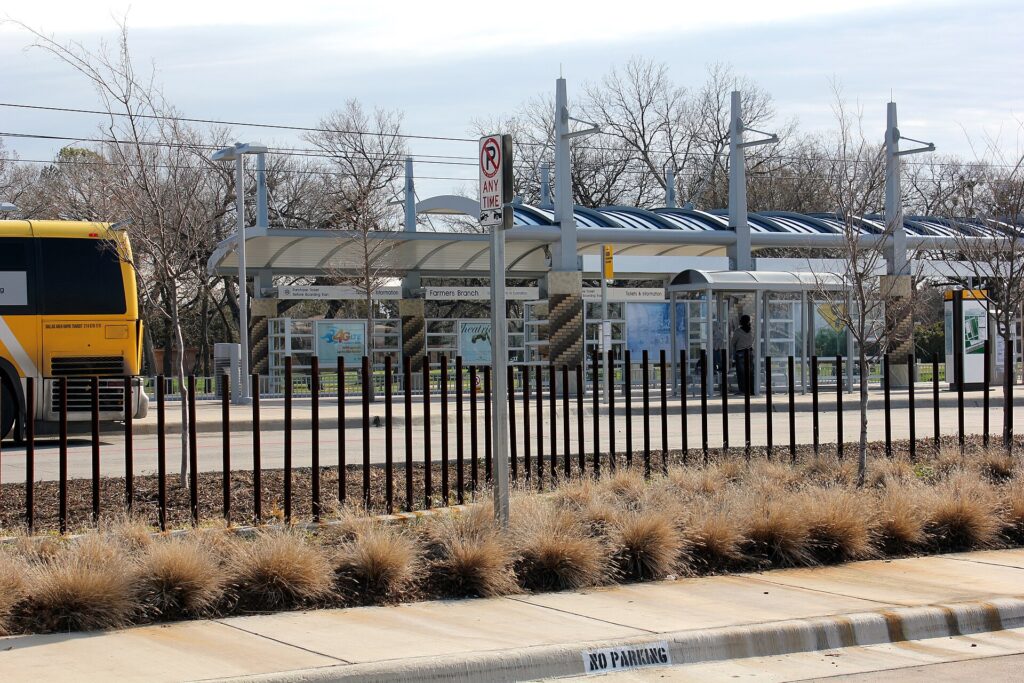
Farmers Branch was building parks and ranch homes while most of the metroplex was still pasture, an inner-ring original whose '50s-'70s neighborhoods have now carried sixty-plus Texas years. That's a different chimney city than anywhere else on our routes: not first-renewal territory, but second and third, with original lime-rich mortar, clay tile flues, and crowns that predate the interstate loops around them.
Senior masonry rewards respect and punishes shortcuts. Hard modern mortar smeared into soft old joints destroys midcentury brick; a patched crown on a sixty-year stack fails by spring. The right work, matched-composition repointing, recast crowns, honest rebuild lines, buys these chimneys their second century.
The midcentury toolkit: documented sweeps for fireboxes with thousands of fires behind them, tuckpointing matched to era composition and color, partial and full rebuilds when structure has moved past repair, and crown recasting over spans that have outlived three roofs.
The original '50s-'60s ranch grids at the city's core carry the true seniors, the streets that defined Farmers Branch, where era-matched work matters most. The '60s-'70s fill-out sections follow a decade behind on the same arc.
The Historical Park district keeps the city's memory in restored structures, and sets the preservation tone we bring to the homes around it, while the Mustang Station infill runs brand-new systems on the opposite end of the clock entirely.
Logistics: Farmers Branch rides the inner-corridor loop with Carrollton and Addison, same-week standard, seven days, with senior assessments given the on-roof time they deserve.
Recognize your ranch? Call (214) 225-8874, senior brick gets senior care.
A Typical Farmers Branch Project
A 1957 ranch in the original grids, third owner, first-ever camera inspection: joints soft across the whole weather side, crown past patching, but the brick itself, good midcentury clay, solid as the day it was laid. The verdict was renewal, not rebuild: full repoint in matched lime-blend mortar, crown recast with proper overhang, stainless cap sized to the era's wide flue. The repair disappeared into the wall, which is exactly the standard: midcentury brick, modern protection, nothing that looks like a patch.
Farmers Branch masonry has taken more weather than any suburb on our routes: six decades of spring hail compounding the same crowns, sixty freeze-thaw winters working the same joints, and the longest-running Blackland soil experiment in the corridor flexing the same foundations. Midcentury builders gave these chimneys good bones, the decades since have spent the sacrificial parts, and renewal is simply restocking them.
The standard never aged: NFPA 211 calls for annual inspection of every chimney, with homeowner guidance from the Chimney Safety Institute of America. On sixty-year flues, the annual look is what separates a maintenance plan from a demolition estimate.
The '50s-'60s original grids, the true seniors, era-matched everything. The '60s-'70s fill-out, a decade behind on the same arc. The Historical Park district, the preservation tone-setter. Mustang Station and the infill, modern systems, baseline territory.
Photos before prices, mortar matched to era instead of convenience, and rebuild-versus-repair verdicts given honestly with the evidence attached. The before-and-after gallery shows sixty-year brick brought back; the reviews include owners whose parents lit the first fires.
Farmers Branch rides our inner-corridor routes with Carrollton and Addison, same-week appointments are the standard, with windows confirmed the day before. Seven days a week, 8AM to 8PM, and midcentury assessments get scheduled with the extra on-roof time they deserve.
Sixty-to-seventy-year problems, the real senior file. Farmers Branch built its ranch neighborhoods in the 1950s through early '70s, so the masonry here has outlived most of the metroplex's suburbs entirely: original lime-rich mortar gone soft through whole walls, crowns weathered past patching into recast-or-rebuild decisions, clay flue tiles cracked by decades of freeze-thaw, and firebox brick loosening after thousands of fires.
Usually yes, and usually more affordably than owners fear. Midcentury chimneys were built by masons who expected them to last a century, good bones are the norm. The honest camera inspection sorts it: most need staged renewal (joints, crown, cap) over a season or two, some need a partial rebuild from the roofline up, and only the rare few need full reconstruction. Photos first, then the real conversation.
It replaces the sacrificial part of the wall, the mortar, so the irreplaceable part, the original brick, stays. On '50s-'60s Farmers Branch masonry we grind failed joints, match the mortar's composition and color to the era, and repoint so the repair disappears. Done right, it buys decades; done wrong with hard modern mortar, it accelerates brick damage, which is why matching matters more here than almost anywhere.
When the structure itself has moved past what joints and crowns can fix: leaning stacks, deep step-cracking through brick rather than mortar, spalling across whole faces, or a top section shaken loose by decades of weather. Our camera-and-ladder inspection draws the line honestly, partial rebuilds from the roofline up solve most cases at a fraction of full reconstruction.
The original ranch grids in the city's core, the '50s and early-'60s streets that gave the City in a Park its shape, carry the seniors. The '60s-'70s sections that filled out the city follow a decade behind, and the newer infill around Mustang Station runs modern systems on a completely different clock. We carry protocols for all three.
Sixty years of Blackland wet-dry cycles is the longest soil experiment in the suburbs, and Farmers Branch foundations show the results: stacks that have drifted a knuckle's width from the house, step-cracks that opened and stabilized decades ago, and some that are still moving. History matters, stable old cracks are records, widening ones are warnings. We measure and photograph rather than guess.
Every one of them, for sixty years, that's the point. Midcentury crowns and caps here have taken more storm seasons than any suburb around, and the compounding shows: hairline chips that each freeze widened, metal that rusted through its third replacement cycle. Roof newer than the chimney top is the tell, and in Farmers Branch the gap is often decades.
Midcentury masonry does best with assessment in the warm months, when repointing and crown work cure properly, and a sweep-and-inspection before each burning season. For originals that have never had a camera inspection: before the first fire, this year, sixty-year-old flues have earned the look, and most pass with a plan rather than a problem.
The inner-corridor loop pairs Farmers Branch with Carrollton to the north and Addison to the east, both page-deep already, with the Dallas line minutes south. Every one of the 98 DFW cities we serve is listed now.
Free online quotes · Era-matched mortar · Honest rebuild calls · Open 7 days
(214) 225-8874📍 1008 Ridgefield Dr, Plano TX 75075 | 🕗 Open 7 days · 8AM-8PM
"Very pleased with the professionalism and promptness of service. The chimney sweep was done quickly and efficiently at significantly less cost than the first quote I got from another company. Happy to recommend Lowes Chimney Sweep to anyone in Plano!"
"Outstanding chimney sweep service from start to finish. They were punctual, courteous, and left our chimney spotless with no mess in our home. I won't use anyone else for chimney services in Dallas TX!"
More reviews from homeowners across the metroplex are on our reviews section, or learn more about our team before you book.
Full-service chimney care across Farmers Branch and the DFW metroplex.
Helpful guides: