University Park runs two chimney populations side by side: original 1920s to 40s masonry that has outlived several roofs, and teardown-rebuild construction with brand-new stacks going up next door. Both need expertise, just not the same kind.
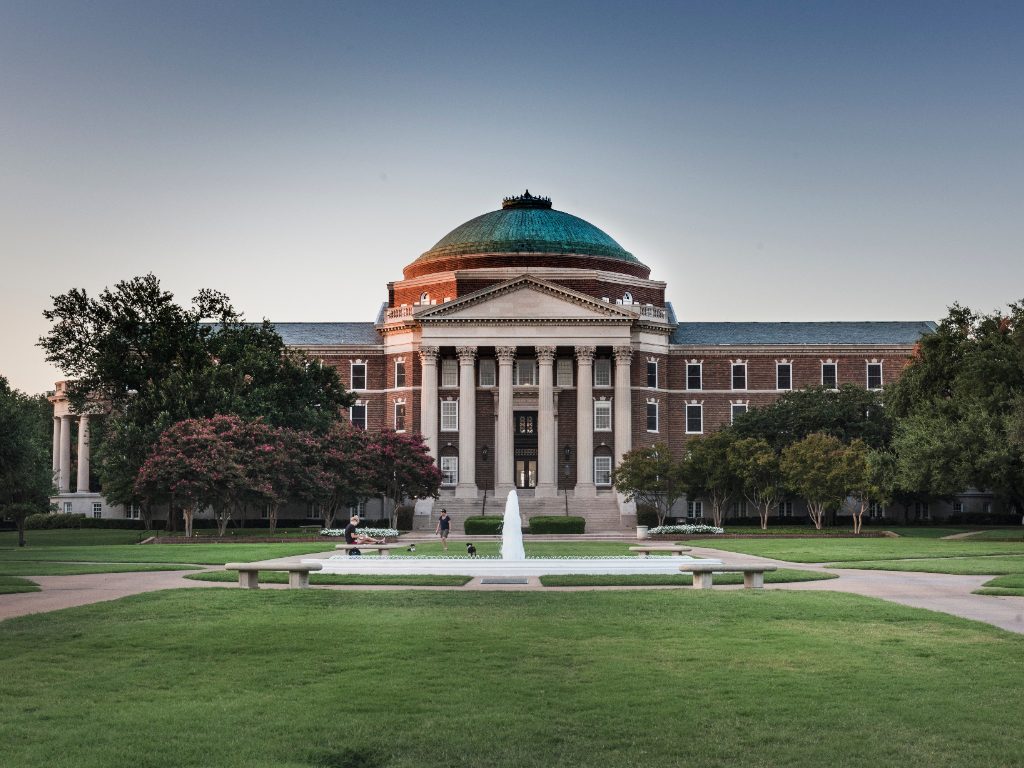
Walk any street near SMU and you can read University Park’s whole construction history in the rooflines: a 1920s Tudor with its original patterned-brick chimney, a mid-century ranch beside it, and across the street a new build whose stack went up last year. The prewar masonry here is genuinely good, lime-rich mortar, hard-fired brick, workmanship that explains why so much of it still stands, but ninety Texas summers and winters spend even the best mortar eventually.
Our University Park work splits accordingly: preservation-grade care for the originals, and honest first inspections for the new stacks whose builders have already moved on.
Repointing a prewar chimney with modern high-cement mortar is how brick faces get destroyed. Our tuckpointing and repointing matches the original mortar’s hardness as well as its color, so the joints keep doing their sacrificial job instead of transferring stress into ninety-year-old brick.
Some prewar stacks reach the point where repair stops being economical above the roofline. A chimney rebuild from the flashing up, reusing sound original brick where possible, matching it where not, restores the structure without erasing the character.
On an original, a chimney inspection reads mortar depth, brick condition, liner integrity, and crown state. On a new build, it verifies the builder actually installed what the drawings said. The NFPA annual standard applies to both, for opposite reasons.
University Park interiors are not places to shed soot. Every chimney sweep runs with full floor protection and HEPA dust control, whether the hearth is original tile or last year’s marble.
Prewar or brand-new, the scope arrives in writing with photos, FAST scheduling across the Park Cities.
(214) 225-8874The owners of a 1930s home near the SMU side noticed brick flakes collecting at the base of the chimney after each hard freeze. The cause was a repair from decades earlier: a previous crew had repointed a section in dense modern mortar, and the trapped moisture had been spalling the surrounding original brick ever since. We ground out the incompatible mortar, repointed the affected courses in a matched lime-rich mix, sealed the crown, and replaced the handful of brick faces that were beyond saving with period-matched units. The spalling stopped, and the repair reads as original from the street.
We know what not to do to old masonry. That knowledge is rarer than it should be. Technicians are background checked, work to CSIA standards, photograph every condition before proposing anything, and treat original materials as the irreplaceable assets they are.
Written scopes, patient explanations. Every job starts with a Free Online Quote. Prewar chimney work has real decisions in it, repair versus rebuild, match versus replace, and we walk owners through each one with the photos in front of them, never from a ladder with a deadline.
To schedule, call (214) 225-8874 or send a Free Online Quote request with the home’s approximate decade, it tells us which expertise to load on the truck.
Highland Park shares your borders and your prewar masonry, while Dallas wraps the Park Cities entirely, our crews cross the M Streets and Preston corridor daily, so University Park is never more than a route stop away.
Usually because a past repair used mortar harder than the brick. Old brick needs soft, breathable lime-rich mortar; dense modern mixes trap moisture that freezes inside the brick faces and pops them off. The fix is removing the incompatible mortar and repointing correctly.
Very often, yes, with verification. Prewar construction quality was high, but liners, mortar, and crowns all have finite lives. A camera inspection of the flue plus a roof-level structural check tells you definitively, with photos, whether yours is ready to burn.
When the above-roofline masonry has lost structural integrity, leaning, deep spalling across many courses, or mortar gone past repointing depth. Below that threshold, targeted tuckpointing wins on cost and preservation. We show the photos and the math for both paths.
Usually within a shade that disappears at street distance. We source period-compatible brick and, on rebuilds, reuse your sound original units on the visible faces so the most-seen sides stay authentic.
Yes, first-year inspections on new construction regularly catch shortcuts: missing cricket flashing, unlined smoke chamber corners, builder-grade caps. Finding them inside the warranty window makes them the builder's expense, not yours.
Obsessively. Floor coverings before any tool enters, HEPA dust control running throughout, and a hearth area that looks untouched when we leave. Original tile surrounds and new stone alike get the same protection.
It varies more than any other category we do, which is why every job starts with a Free Online Quote and a documented inspection. Repointing a section, sealing a crown, and rebuilding above the roofline are very different scopes, the photos decide which one you actually need.
We stage and walk slate and tile roofs with the appropriate equipment and padding, it's a standard part of Park Cities work. Any roof-contact plan is explained before we climb.
Usually within a day, Sundays included, the Park Cities sit inside our daily central routes. Call (214) 225-8874 for a firm window.
Tuckpointing, rebuilds, inspections, sweeps, request your Free Online Quote and get preservation-grade documentation.
(214) 225-8874University Park sits on the 75205 and 75225 ZIP codes, and the Park Cities masonry here, from the SMU blocks to the estates near Caruth Park, is some of the most carefully built chimney work we service.
"Very pleased with the professionalism and promptness of service. The chimney sweep was done quickly and efficiently at significantly less cost than the first quote I got from another company. Happy to recommend Lowes Chimney Sweep to anyone in Plano!"
"Outstanding chimney sweep service from start to finish. They were punctual, courteous, and left our chimney spotless with no mess in our home. I won't use anyone else for chimney services in Dallas TX!"
More reviews from homeowners across the metroplex are on our reviews section, or learn more about our team before you book.
Full-service chimney care across University Park and the DFW metroplex.
Helpful guides: