The homes that housed the bomber plant's workforce still burn in their original fireboxes. White Settlement's plant-era masonry gets cameras first, matched mortar, and answers you can watch.
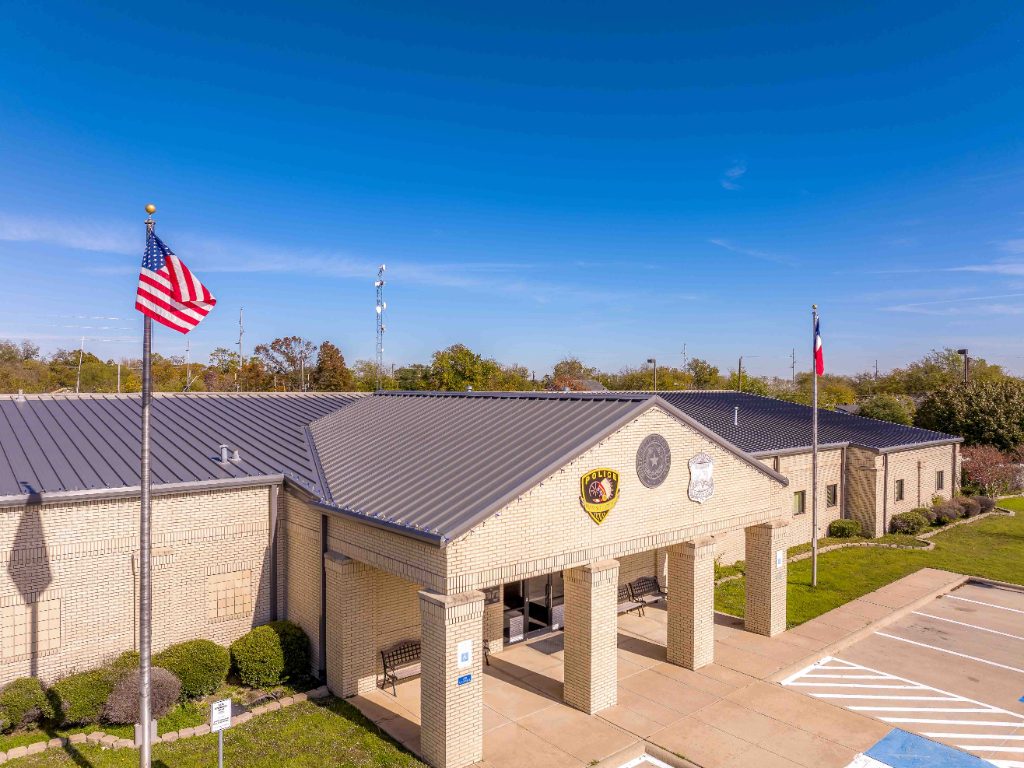
White Settlement carries one of the oldest names on the Texas frontier and one of the most specific origin stories in the metroplex: when the great aircraft plant rose on the west side in 1942, this little community next door housed the workforce that built the bombers. The streets filled fast with modest, sturdy homes, wartime and '50s construction, compact lots, brick and frame, and many of those same houses are still doing their job three generations on, jets from the joint reserve base still crossing overhead like a soundtrack that never changed.
Eighty-year housing means eighty-year chimneys, and the plant-era file is a specific craft. Mortar mixed in the '40s has genuinely finished its design life. Flues often predate modern lining standards. Fireboxes are small, honest, and heavily used. None of it is fragile, this stock was built by people housing their own, but all of it deserves the senior protocol: camera before conclusions, matched materials, and restoration preferred wherever restoration is honest.
The White Settlement toolkit is built for exactly that: Level 2 camera inspections as the opening move on any era flue, tuckpointing in mortar matched to the wartime original, firebox and damper restoration for hearths that have earned careful hands, and thorough sweeps for flues with seventy winters of family use behind them.
The wartime core holds the founding file, the '40s and early-'50s worker housing, the oldest small-city stock on the west side. The '50s-'60s expansion broadened the town as the plant's payrolls grew, the big cohort of the file. The Central Park orbit anchors the family middle of town, and the '70s edges toward the loop close the stock with younger masonry on the standard renewal clock.
One square-built little city, eight decades deep, and the year the mason finished decides where the camera starts.
Logistics: White Settlement rides the western leg of our Fort Worth loop, same-week standard, seven days, with era-masonry visits booked long enough to be careful.
Any one of these on a '40s or '50s flue is worth a look before the next fire, call (214) 225-8874.
A Typical White Settlement Project
A wartime original near Central Park, same family since the plant years: the camera found an unlined flue with honest interior wear, era mortar soft on the sun side, and a firebox still laid tight as its first winter. The plan came staged, reline and repoint now, crown next season, with every finding on video and every repair matched to the original hand. The fireplace lit in November for something like its eightieth year running.
Plant-era masonry has stood through every pattern the west side runs, the hail springs, the cooking summers, the clay's long seasonal arithmetic, plus eight decades of daily use that most fireplaces never see. Survival is the town's habit; margin is the maintenance question. The oldest flues carry the least spare material between fine and not, which is why the annual look earns the most on the original streets.
The standard is unambiguous: NFPA 211 calls for an annual inspection of every chimney, older and unlined flues having the most riding on it, and the Chimney Safety Institute of America publishes the homeowner guidance to match. For the plant-era file, annual is the preservation strategy.
The wartime originals, the founding file, camera-first without exception. The '50s-'60s expansion, the big cohort, senior protocol. The Central Park middle, family streets on the same careful plan. The '70s edges, younger stock, standard renewal years.
Slow looks, matched materials, and restoration chosen wherever restoration is honest. The before-and-after gallery shows era masonry brought back right, and our reviews run the whole western loop.
White Settlement sits on the western leg of our Fort Worth loop off I-30 and Cherry Lane, same-week is the standard, morning callers often land FAST-scheduling, and we run seven days a week, 8AM to 8PM.
Plant-era wear, honestly earned: wartime and '50s mortar finishing its design life, compact fireboxes with seventy winters of daily use, flues built before modern lining standards, and crowns worn thin by west-side sun. The work here is careful renewal of modest, well-used masonry, and it starts with a camera, not a pitch.
It means the mason who built it was likely housing a bomber-plant family on a wartime schedule, fast, modest, and surprisingly sound. These fireboxes were sized for real use and mostly got it. What ages out is the supporting cast: era mortar, unlined or clay-tile flues, original crowns. A Level 2 camera survey maps exactly which parts have served their term, on video you can watch.
Less than people fear, and less than weather does. Aircraft noise rattles windows, not foundations, the vibration that reaches a chimney is a rounding error next to what the clay soil and seventy freeze-thaw cycles have already done. When we find cracking in White Settlement, the fingerprints belong to age and water, not the flight line. The camera settles it either way.
The original core, the wartime and early-'50s streets that housed the plant's first workforce, some of the oldest small-city housing stock on Fort Worth's west side. The '60s and '70s sections step the file forward from there, and the protocol steps with the era, block by block.
It has, patiently, for eighty years, which mostly means the arguing is done. These foundations settled into their seasonal rhythm generations ago, so the cracks we find are usually old, stable, and cosmetic. We measure and photograph each one to give future inspections a baseline; only widening lines get escalated.
The west side takes its hail springs with everyone else, and thin senior crowns chip more readily than young concrete. Any storm year, have the chimney photographed inside the same claim window as the roof, dated pictures keep the insurance conversation brief.
Usually, yes, and it's our preference. Plant-era fireboxes were laid tight and sized honestly; restoration means repointing in matched mortar, rebuilding worn courses in kind, and addressing the damper and flue behind it. Replacement is for the rare cases the footage genuinely proves, and you'll have seen that footage before we say the word.
Before the first fire, every year, senior flues carry the least margin for skipped seasons, and NFPA 211 treats the annual look as the floor. Fall books fastest; late summer gets the same inspection with easier windows. Anything new on an era stack, a crack, a leak, a smoke change, is a this-week call.
The western loop links White Settlement with Fort Worth surrounding it and Benbrook down 377, and all 98 DFW cities we serve are on the map.
Free online quotes · Era-matched restoration · Video-backed verdicts · Open 7 days
(214) 225-8874📍 1008 Ridgefield Dr, Plano TX 75075 | 🕗 Open 7 days · 8AM-8PM
White Settlement calls cover the established neighborhoods off Cherry Lane and Las Vegas Trail on the west side of Fort Worth, minutes from Naval Air Station Fort Worth.
"Very pleased with the professionalism and promptness of service. The chimney sweep was done quickly and efficiently at significantly less cost than the first quote I got from another company. Happy to recommend Lowes Chimney Sweep to anyone in Plano!"
"Outstanding chimney sweep service from start to finish. They were punctual, courteous, and left our chimney spotless with no mess in our home. I won't use anyone else for chimney services in Dallas TX!"
More reviews from homeowners across the metroplex are on our reviews section, or learn more about our team before you book.
Full-service chimney care across White Settlement and the DFW metroplex.
Helpful guides: