Sherman has been Grayson County's brick-and-mortar heart since the 1800s, and now the fab boom is raising a second city beside the first. Century masonry and week-old gas sets, one northern route.
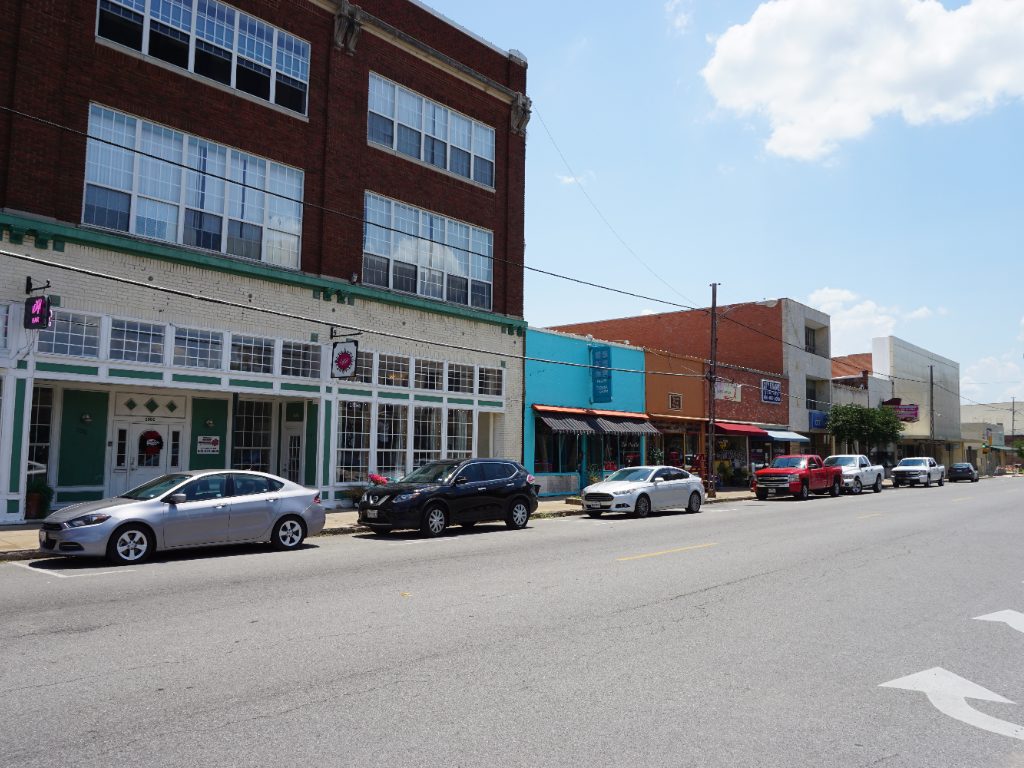
Sherman has been the seat of Grayson County since Texas was young, a downtown grid of century brick around Travis and Lamar, the neighborhoods around Austin College holding some of the finest early-1900s homes north of Dallas, and a main-street confidence that comes from a hundred and fifty years of being the town that mattered up here. Then the semiconductor era arrived, and the county seat started raising a second city of brand-new subdivisions beside the first.
Two booms, a century apart, means two chimney files running at once. The heritage file, downtown blocks and college-district Victorians, carries the most senior masonry on our northern route and earns the slow protocol: cameras, era mortar, staged plans. The fab-era file arrives with the youngest profile there is: builder metal, framed chases, and gas systems no one has opened since the walkthrough. One route, both playbooks, every week.
The Sherman toolkit spans the century: heritage tuckpointing matched to mortar from the county seat's founding decades, honest rebuild work reserved for what the footage proves, camera inspections that serve an 1890s stack and a 2020s chase with equal rigor, and gas fireplace service for the boom's untouched log sets.
The downtown grid holds the founding file, Travis, Lamar, Crockett, the county seat's century commercial brick and the homes that grew around it. The Austin College district carries Sherman's stateliest early-1900s residential stock, tall stacks and proud masonry. The mid-century rings run the '50s–'70s cohort on the standard renewal clock, and the fab-boom subdivisions add the young file, growing by the quarter.
A hundred and fifty years of construction in one compact county seat, and the block you're on decides which protocol steps off the truck.
Logistics: Sherman anchors the top of the 75 loop, same-week standard, seven days, with the northern run batched so Grayson County never waits on metro traffic.
Whichever boom built your house, call (214) 225-8874 and the right protocol rides north.
A Typical Sherman Project
An early-1900s home in the college district, new owners: the camera found tall twin flues honest but unlined, era mortar soft on the south face, and crowns patched across generations, grand bones, renewable skin. The staged plan ran reline-and-repoint first, crowns the next season, era-matched mortar throughout, every finding on video. The same trip north, a fab-era two-story got its warranty baseline. Two booms, one route sheet, that's Sherman.
Grayson County meets the storms first: hail seasons that make the news up here before the metro feels them, fronts crossing the Red River at full strength, and blackland-to-timbers ground that varies foundation behavior neighborhood to neighborhood. Century masonry answers with a hundred years of proof; fab-era rooftops answer best with a clean year-one record.
The standard covers the whole century: NFPA 211 calls for an annual inspection of every chimney and venting system, gas included, and the Chimney Safety Institute of America keeps the homeowner guidance current. At the top of the line, the annual habit is the plan for both booms.
The downtown founding file, county-seat century brick, restoration protocol always. The college district, the stately early-1900s stock, camera-first care. The mid-century rings, the big cohort, standard renewal years. The fab-boom subdivisions, the young file, baseline territory.
Era mortar where the century demands it, warranty documentation where the boom does, and photos before prices on both. The before-and-after gallery shows the range, and our reviews ride the northern line end to end.
Weekly, and gladly. Sherman anchors the very top of our US 75 loop, and we batch the northern run, McKinney, Anna, Sherman, so Grayson County rides a dedicated route instead of waiting on metro traffic. Same-week is the standard, seven days, 8AM to 8PM.
A county seat's full range: downtown-era masonry with century mortar and pre-standard flues, college-neighborhood Victorians with tall proud stacks, mid-century blocks on the classic renewal schedule, and, newest of all, the fab-boom subdivisions arriving with builder metal and unserviced gas sets. Heritage care and baseline documentation, both on the same truck.
With the camera, before anything else. The college neighborhoods hold some of Sherman's finest early-century homes, and a Level 2 video survey documents the liner, joints, crowns, and dampers exactly as they stand, findings you can watch, a staged plan you can budget, and era-matched mortar when the work begins. Houses this good deserve openings this careful.
It adds a second file. The semiconductor-era subdivisions bring Sherman the same profile as the corridor's boomtowns: framed chases, builder-grade metal, gas log sets untouched since the walkthrough. Those homes need warranty-window baselines, the dated photo record while corrections are still the builder's bill, running right alongside the heritage protocol downtown.
The historic downtown grid and the neighborhoods around Austin College, the county seat's founding fabric, with masonry reaching back past 1900. Age steps down through the mid-century rings and drops to nearly zero in the newest subdivisions on the growth side of town.
Close cousin: Grayson County runs the same blackland-to-timbers transition, so foundation behavior varies by neighborhood. Century footings downtown settled generations ago; new fab-era slabs are in their learning years. We measure and photograph either way, so verdicts rest on trend data rather than a single afternoon's look.
Red River country catches its storms early and honestly. Century crowns chip more easily than young concrete, and builder metal dents against a clean record, so both files benefit from the same habit: photograph the chimney top in the same claim window as the roof, every storm spring.
By letting the footage argue. Every senior-stack conversation starts from the full video record, a written scope splitting must-do from nice-to-do, and the ten-year math on staged restoration versus rebuild. Most century chimneys here earn restoration; the rare one that truly needs rebuilding will have proven it on camera before we say the word.
Heritage masonry: the annual look before the first fire, without exception. New builds: a baseline inside the warranty window, then annually each fall. Everyone: the northern route fills quickly once the first front crosses the Red River, late summer buys the easiest windows of the year.
The northern loop runs from Sherman down through Anna at the corridor's edge to McKinney below, and all 98 DFW cities we serve are on the map.
Free online quotes · Heritage restoration craft · Fab-era baselines · Open 7 days
(214) 225-8874📍 1008 Ridgefield Dr, Plano TX 75075 | 🕗 Open 7 days · 8AM-8PM
"Very pleased with the professionalism and promptness of service. The chimney sweep was done quickly and efficiently at significantly less cost than the first quote I got from another company. Happy to recommend Lowes Chimney Sweep to anyone in Plano!"
"Outstanding chimney sweep service from start to finish. They were punctual, courteous, and left our chimney spotless with no mess in our home. I won't use anyone else for chimney services in Dallas TX!"
More reviews from homeowners across the metroplex are on our reviews section, or learn more about our team before you book.
Full-service chimney care across Sherman and the DFW metroplex.
Helpful guides: