Pilot Point has held down the top of Denton County since 1854, a genuine historic square in the middle, world-class horse farms in every direction, and stove flues in barns working as hard as house fireplaces. The north loop serves it all.
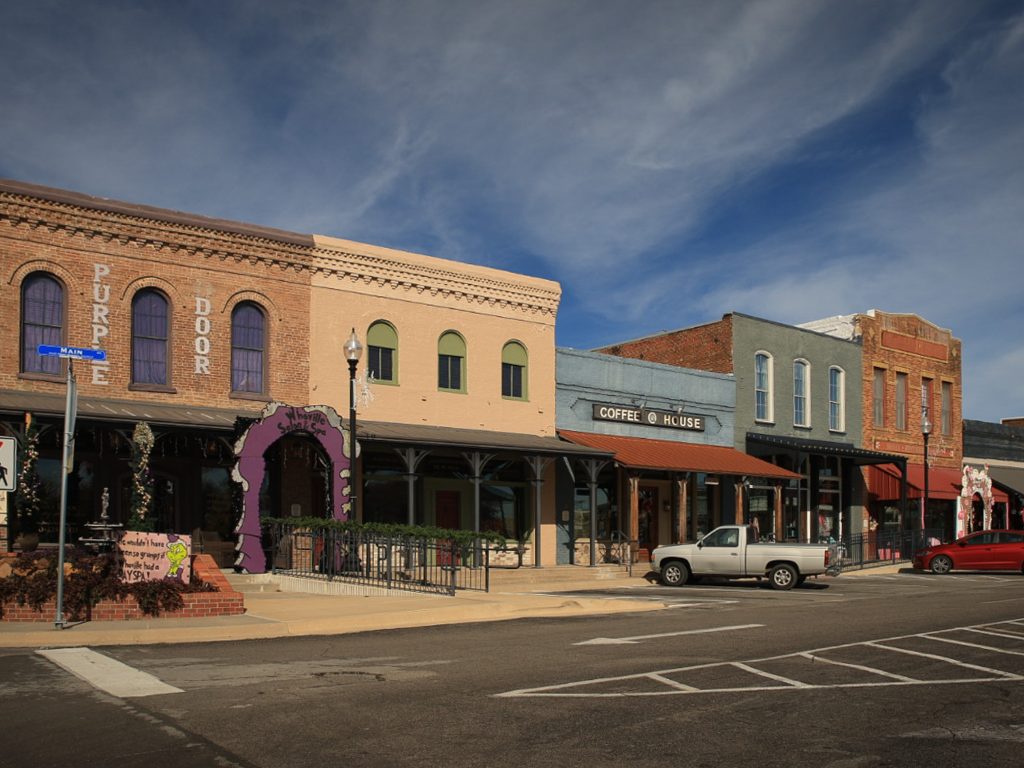
Pilot Point was named for the timber landmark that guided wagons across the prairie, and it's been orienting this corner of Texas ever since, one of Denton County's oldest towns, with an honest 1850s square at its heart and some of the most respected horse operations in America on the pastures around it. This is working horse country, and the town square it orbits still looks the part.
A square town in stove country runs two calendars, and we keep both. The heritage file around the square carries founding-era masonry, lime mortar finishing its design life, original crowns, flues that predate every standard, and earns the century protocol on every visit. The acreage file is pure work: house fireplaces heating through real winters, and stove flues in barn offices, shops, and tack rooms doing the same job with less ceremony and more sawdust nearby.
The Pilot Point toolkit covers town and pasture: lime-matched tuckpointing for square-orbit joints renewed to disappear, working-flue sweeps for every stove on the property, house or barn, spark-arresting stainless caps rated for buildings that share air with hay, and camera inspections that map heritage stacks and outbuilding pipes with equal rigor.
The square orbit holds the founding file, the 1850s blocks at the heart of town, the senior masonry of the north loop. The established streets carry the mid-century cohort on the standard renewal clock. The newer edges add the young file as the 377 corridor grows north, and the horse properties ring it all, farmsteads and show operations where the working flues outnumber the decorative ones.
Square to stable is five minutes and a different checklist, and both ride the same north-loop truck.
Logistics: Pilot Point tops the north Denton loop, same-week standard, seven days, with multi-building properties booked as single visits so nothing on the place goes unswept.
House, barn, or both, call (214) 225-8874 and the north loop covers the whole place.
A Typical Pilot Point Project
A horse operation north of town, one visit, whole property: the house fireplace swept and inspected, the barn-office stove flue found running on a pipe past its service life and relined, and a spark-arresting stainless cap fitted where the old screen had torn, twenty feet from a hay loft. Every flue on the place mapped, photographed, and rated in a single plain-English report. The owners knew their horses' papers; now the flues have them too.
The top of Denton County meets weather with nothing in the way: fronts cross miles of pasture before reaching a rooftop, hail arrives with north-alley honesty, and the Cross Timbers ground drains and shifts by its own local rules. Heritage brick answers with seventeen decades of proof; working stoves answer with deposits that never pause; spark screens answer only if intact. Every argument ends at the annual look.
The standard rides every building: NFPA 211 calls for an annual inspection of every chimney and venting system, outbuilding stoves absolutely included, with heavy-use flues cleaned as often as buildup demands, and the Chimney Safety Institute of America carries the homeowner guidance. In stove country, the annual habit is barn management.
The square-orbit file, 1850s heritage brick, century protocol always. The established streets, the mid-century cohort, renewal season now. The 377-corridor edges, the young file, baseline years. The horse properties, working flues everywhere, working schedule.
Lime where the century demands it, spark discipline where the hay does, and every flue on the property documented like it matters. The before-and-after gallery shows the craft, and our reviews ride the north loop end to end.
Pilot Point rides the top of our north Denton loop, batched with Denton, Celina, and Prosper, same-week appointments are the standard, seven days a week, 8AM to 8PM, and the north-county miles are already on the route sheet.
A square town with acreage all around gets both lists: 1850s-onward heritage masonry around the historic square, lime mortar, original crowns, senior flues, and the working file on the horse properties and farmsteads, where stoves heat barns, shops, and houses through real winters and build creosote on a working schedule.
Absolutely, and out here it's half the calendar. Barn offices, shop buildings, tack rooms, and cabins carry stove flues that work as hard as any house chimney, often harder, and they sit near hay and shavings, which makes spark discipline non-negotiable. We sweep and inspect outbuilding flues, verify clearances and pipe condition, and fit spark-arresting caps rated for the setting. Same standard as the house, same visit if you like.
The square orbit, Pilot Point's historic center is one of Denton County's oldest, and the blocks around it hold the town's founding masonry. That file gets the century protocol: camera first, matched mortar, minimal intervention. Age steps down quickly toward the newer edges and varies property to property across the acreage.
Open pasture gives wind a running start the way few suburbs ever see, gusts arrive unbroken, and caps, collars, and light covers feel it first. Homes and barns on exposed ground here get metal specified for the exposure: stainless, mechanically anchored, and checked after every real front.
Northern Denton County runs Cross Timbers-transitional ground, sandier and more variable than the blackland south of us, draining differently ridge to ridge. Old square-town footings settled generations ago; acreage builds behave lot by lot. Either way we measure and photograph, so verdicts rest on trend lines rather than one visit's impression.
The north country takes its hail springs without apology, and the mix here splits the damage: heritage crowns chip, farm metal dents, and spark caps take dings that quietly ruin their screens. Any storm year, photograph the chimney and stovepipe tops in the same claim window as the roof.
More than the commute. Acreage life usually means real wood heat somewhere on the property, outbuilding flues the sellers never mentioned, and maintenance that's suddenly yours instead of an HOA's. The right start is one documented visit that maps every flue on the place, house, barn, shop, rates each one's condition, and leaves you a plain-English plan. After that it's just the annual rhythm, and you'll know the place better than the sellers did.
Working stoves, house or barn, before every season, and mid-winter if they run daily. Square-orbit masonry: the annual look before the first fire, no exceptions. And the north loop books quickest once the first front drops in, so late summer buys the easiest windows; we work around hauling and show calendars, too.
The north loop drops from Pilot Point through Denton down 377 and across to Celina on the county line, and all 98 DFW cities we serve are on the map.
Free online quotes · Barn-flue expertise · Spark-safe caps · Open 7 days
(214) 225-8874📍 1008 Ridgefield Dr, Plano TX 75075 | 🕗 Open 7 days · 8AM-8PM
Denton County homeowners in Pilot Point (76258) call us for everything from a first-time sweep to full masonry work. We arrive with the brushes, the camera, and the honest recommendation.
"Very pleased with the professionalism and promptness of service. The chimney sweep was done quickly and efficiently at significantly less cost than the first quote I got from another company. Happy to recommend Lowes Chimney Sweep to anyone in Plano!"
"Outstanding chimney sweep service from start to finish. They were punctual, courteous, and left our chimney spotless with no mess in our home. I won't use anyone else for chimney services in Dallas TX!"
More reviews from homeowners across the metroplex are on our reviews section, or learn more about our team before you book.
Full-service chimney care across Pilot Point and the DFW metroplex.
Helpful guides: