Kaufman has kept the county's books since the blackland was all cotton, a courthouse town of senior brick, working farm flues, and now the first commuter rooftops arriving up the 175 corridor. The southeast leg serves every file.
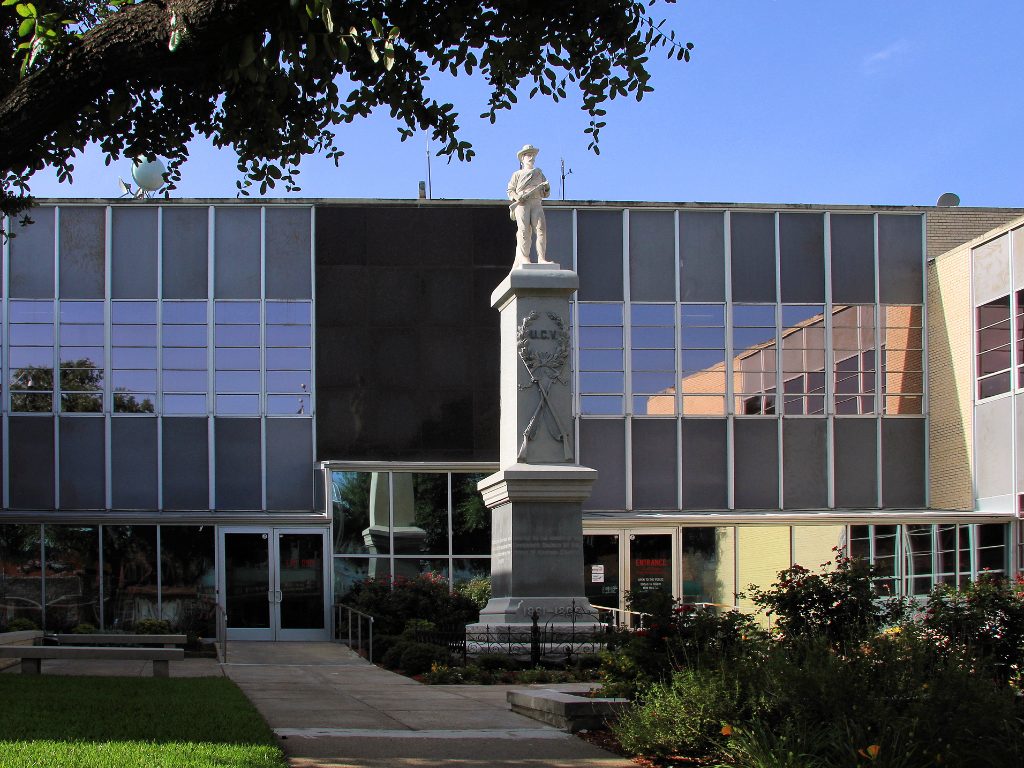
Kaufman is the kind of county seat that never needed to shout: the courthouse holding the middle of town, established streets fanning out around it, and blackland farm country running to every horizon, an arrangement that has kept the county's records and character for a century and a half. Terrell got the rail shops and Forney got the boom, but Kaufman kept the books, and the town's masonry reads like the ledger it is.
Now the ledger is gaining new entries. The 175 corridor is finally carrying the metroplex's growth this far southeast, and the first commuter phases are rising on ground that grew cotton within living memory. That puts Kaufman in the rare position of holding every file at once: courthouse-orbit senior brick, a mid-century belt at renewal age, farm flues that never stopped working, and brand-new builder metal whose warranties are ticking right now.
The Kaufman toolkit spans the whole ledger: camera inspections that anchor estate baselines and new-build documentation alike, era-matched tuckpointing for the seat's senior joints, crown repair for every generation of top on the square's horizon, and honest sweeps for flues that heat farmhouses the old way.
The courthouse orbit holds the founding file, the seat's senior masonry on the established blocks around the square. The mid-century belt carries the postwar cohort, arriving at crown-and-mortar season together. The ag edges run working farmhouse flues out the county roads in every direction, and the 175-corridor phases are writing the newest entries as the commuter boom finally reaches the seat.
A hundred and fifty years of files, one compact county seat, and every entry gets its era's correct protocol.
Logistics: Kaufman anchors the 175 leg of the southeast routes, same-week standard, seven days, batched with Terrell and Forney so the seat rides a scheduled run.
Old file or new entry, call (214) 225-8874 and the southeast leg answers.
A Typical Kaufman Project
A family home near the courthouse orbit, newly inherited, loved for fifty years and documented for none of them: the estate baseline mapped the whole system on video, a sound flue, a crown at the end of its life, era mortar soft on the west face, and delivered a staged plan the family could discuss at their own pace. They chose the crown now, the repointing next spring, and the record went into the estate file beside the deed. The house their parents kept is now a house with papers.
Kaufman County's blackland is the heavy, working kind, it swells with the spring rains, shrinks through the long summers, and moves every foundation in the county on its slow schedule. Hail springs cross era crowns and new shingles alike; fronts work farm caps and builder collars with the same patience. The senior file answers with a century of proof, the working flues with honest schedules, and the new phases with youth's one advantage: a clean record, if somebody starts it.
The standard covers every entry: NFPA 211 calls for an annual inspection of every chimney and venting system regardless of age or fuel, and the Chimney Safety Institute of America keeps the homeowner guidance current. In the county that keeps the records, the annual habit is just good bookkeeping.
The courthouse-orbit file, the seat's senior brick, century protocol always. The mid-century belt, the postwar cohort, renewal season now. The ag edges, working flues, working schedule. The 175 phases, the newest entries, baseline years.
Evidence before verdicts, mortar matched to the era, and records complete enough to file beside the deed. The before-and-after gallery shows the craft, and our reviews ride the southeast leg end to end.
Kaufman anchors the 175 leg of our southeast routes, batched with Terrell and Forney, same-week appointments are the standard, seven days a week, 8AM to 8PM, and the county-seat stop rides a scheduled run, not an exception.
A county seat's steady spread: courthouse-orbit senior masonry with era mortar and original crowns, a broad mid-century belt arriving at renewal age together, farm and acreage flues working through real winters on the blackland, and the first commuter subdivisions bringing builder metal to the edges. Patient craft for the old file, honest schedules for the working one.
With respect and a camera, in that order. Inherited homes usually arrive with decades of family memory and zero maintenance records, and the fireplace everyone gathered around deserves better than guesswork. An estate baseline documents the whole system, flue condition, firebox, crown, cap, everything on video, and produces a plain-English plan you can act on now, stage over time, or simply file with the estate paperwork. No pressure, no assumptions, just the clear picture your family needs to make its decisions.
The courthouse orbit and the established blocks around downtown, the seat's founding file, where Kaufman's senior masonry has watched the square since the county was young. Age steps down through the mid-century belt and out to the ag edges, where farmhouse stacks run their own century-spanning gamut.
It applies most right here, because the boom is young enough to catch properly. The first commuter phases along the 175 corridor are inside their builder warranties right now, which means a documented baseline can still put corrections on the builder's bill instead of yours. The towns up the road learned this after their warranties expired; Kaufman gets to learn it before.
Kaufman County blackland is the heavy, honest kind, it swells and shrinks with every wet-dry cycle and works every foundation in the county. Century footings settled into their rhythm long ago; mid-century slabs carry stable old lines; the new phases are still finding posture. We measure and photograph everything so verdicts rest on trends, not moments.
The southeast corridor takes its hail springs like the rest of the region, and older crowns chip where young metal dents. Any storm year, photograph the chimney top inside the same claim window as the roof, dated evidence keeps the insurance conversation short.
It changes the geometry in a way worth watching. A masonry chimney stands on its own footing while a pier-and-beam house flexes on its supports around it, two structures moving to slightly different rhythms. The tell is at the roofline and the flashing seam, where seasonal movement opens and closes the joint. It's rarely a defect; it's a relationship, and an annual look keeps the flashing honest and the gap documented before water ever finds it.
Working farm flues: before every season. Courthouse-orbit masonry: the annual look before the first fire, no exceptions. New-phase owners: the baseline inside the warranty window. And the southeast leg books quickest once the first front crosses the blackland, late summer buys the easiest slots.
The southeast leg links Kaufman with Terrell up Highway 34 and Forney along the corridor, and all 98 DFW cities we serve are on the map.
Free online quotes · Estate baselines · Era-matched craft · Open 7 days
(214) 225-8874📍 1008 Ridgefield Dr, Plano TX 75075 | 🕗 Open 7 days · 8AM-8PM
Kaufman chimney calls take us all over the area, across the 75142 ZIP code. Every home here gets the same crew, the same photo documentation, and the same pricing that starts with a straight answer on the phone.
"Very pleased with the professionalism and promptness of service. The chimney sweep was done quickly and efficiently at significantly less cost than the first quote I got from another company. Happy to recommend Lowes Chimney Sweep to anyone in Plano!"
"Outstanding chimney sweep service from start to finish. They were punctual, courteous, and left our chimney spotless with no mess in our home. I won't use anyone else for chimney services in Dallas TX!"
More reviews from homeowners across the metroplex are on our reviews section, or learn more about our team before you book.
Full-service chimney care across Kaufman and the DFW metroplex.
Helpful guides: