Watauga built itself in one long run of '70s and '80s streets, which means its chimneys share a birthday, a parts list, and a maintenance clock. We know this city's rooftops house by house.
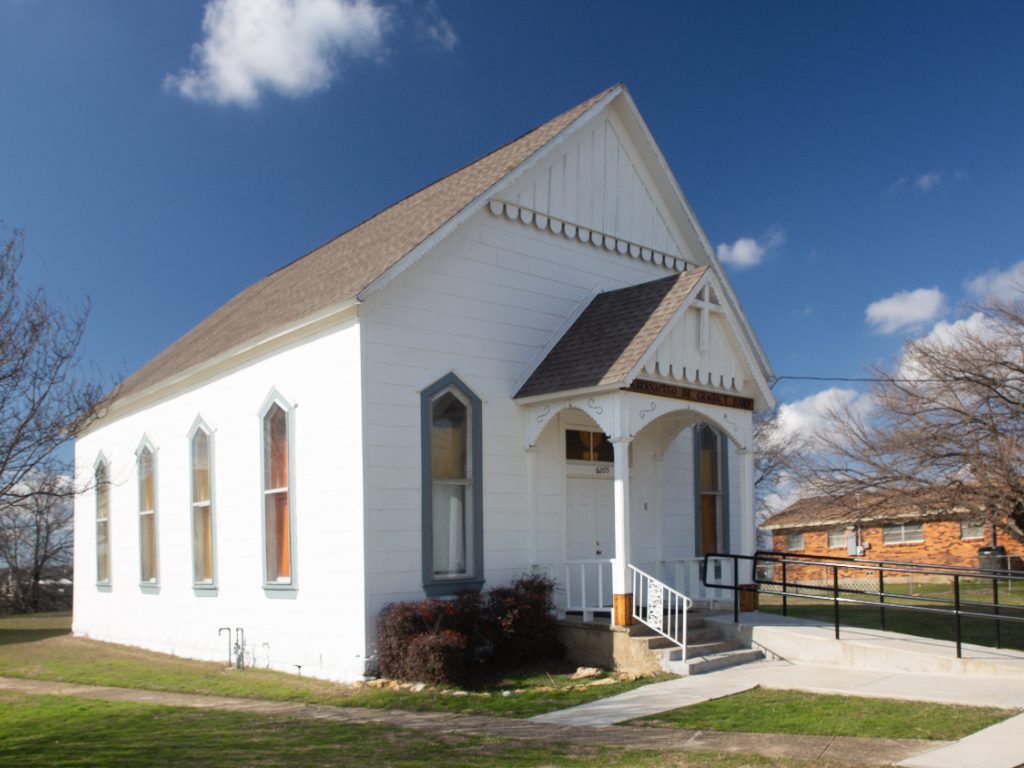
Watauga is four square miles of the most concentrated suburban story in Tarrant County: a rail-stop village that became a full city in roughly fifteen building years, as the '70s and '80s filled every street between the Haltom City line and the Keller border with sturdy starter homes. No sprawling estates, no half-empty phases, just block after block of well-kept one-stories and compact two-stories, most of them raised within a decade of their neighbors.
When a whole city shares a construction era, its chimneys share a biography. The caps were builder-grade in the same years, the crowns were poured to the same specs, the flashing sealed with the same era's sealants, and all of it is arriving at the forty-to-fifty-year renewal window together. That's not a crisis; it's a schedule. And a predictable schedule is a homeowner's best friend.
The Watauga toolkit matches the cohort: thorough sweeps for flues with decades of honest use, crown repair at exactly the age crowns ask for it, stainless cap upgrades to retire the last of the builder originals, and camera inspections that tell each house where it sits on the citywide clock.
The southern streets toward Watauga Road hold the city's earliest '70s stock, first built, first due, and the most true-masonry fireplaces per block. The central belt around Whitley Road carries the peak years, where masonry and early prefab mix street by street. The Capp Smith Park orbit adds the family core near the lake and ballfields, and the northern edge toward Keller finishes with the '80s closers, framed chases and factory fireboxes on their own renewal clock.
Fifteen building years, four square miles, the shortest era gradient we serve, and we can read it street by street.
Logistics: Watauga nests inside our densest western cluster, same-week standard, frequent FAST-scheduling, seven days, windows confirmed the evening before.
Any of the five on a '70s-'80s home is right on schedule, call (214) 225-8874 and we'll bring the camera.
A Typical Watauga Project
A one-story off Whitley Road, original owners: the classic three, all at once, cap rusted through, crown cracked at the corners, flue overdue. One visit handled the set: sweep and camera inspection, crown rebuilt, stainless cap fitted, every step photographed. Total time on site: one morning. The neighbors booked the same week, same streets, same clock.
Watauga's rooftops have weathered the same storms in formation: the hail corridors that sweep northeast Tarrant most springs, the straight-line winds off the open north, and the clay beneath every slab flexing through four decades of wet-dry cycles. When housing ages together, weather damage shows up in waves, which is why one hail spring can put half a street on the same repair list.
The counter-move is the standard one: NFPA 211 calls for an annual inspection of every chimney and vent, and the Chimney Safety Institute of America keeps the homeowner guidance plain. On a shared clock, the annual look is how your house stays ahead of the wave instead of inside it.
The '70s south, first-built masonry, deepest into the renewal window. The peak-years middle, the big cohort, crown-and-cap season now. The '80s north, prefab transition stock, factory fireboxes due their checkups. The scattered infill, the young exceptions that still join the annual habit.
Photos before prices, parts on the truck for the era we know is up there, and repairs sized to the house, never to the invoice. The before-and-after gallery shows the work, and our reviews speak for the routes.
Very fast, Watauga sits inside the tightest cluster of our western routes, ringed by Haltom City, North Richland Hills, and Keller, all of which we work weekly. Same-week is the floor, FAST-scheduling is common for morning callers, and we run seven days, 8AM to 8PM.
The '70s-'80s list, almost house for house: original caps rusted past duty, crowns at the cracking age, first-generation flashing sealant done, and flues carrying decades of use between sweeps. Because the city built out in one continuous run, the same three or four items account for nearly every Watauga work order.
It matters in your favor. When four square miles share a birth decade, the maintenance playbook is unusually predictable: we know what the builders installed, how it ages on this clay, and what fails in which order. That means faster diagnosis, accurate quotes, and parts on the truck the first time.
The southern streets toward Watauga Road and the Haltom City line carry the earliest '70s stock, with the build years climbing as you move north toward the Keller border. It's a short gradient, the whole city spans about fifteen building years, but it still decides whether a crown is merely due or overdue.
Only in the ways we plan for. Tighter side yards mean ladder placement gets thought out in advance, and close neighbors mean our HEPA dust control and drop cloths earn their keep indoors. The homes themselves are one-story-friendly, among the most straightforward roofs we service anywhere.
Same clay, same physics as the rest of Tarrant County: slabs flex through wet-dry cycles and the chimney records it first. Most Watauga cracks are decades old and stable. We measure and photograph so the next inspection compares against data, widening lines get attention, historic ones get monitored.
The northeast Tarrant hail corridors run right over Watauga's rooftops. Forty-year caps dent readily and forty-year crowns chip; the good news on one-story homes is that documentation is quick. After any hail spring, a photographed top makes the insurance conversation short.
Before the first fire each fall, and given the shared age of the housing stock, earlier beats later, because your neighbors are on the same clock and the calendar fills citywide at once. Late summer books the same inspection with the easiest windows.
Watauga straddles the transition years, so both live here: true masonry on many '70s streets, factory fireboxes in framed chases on the '80s ones. Both need the annual look under NFPA 211, the checklists differ, the schedule doesn't. We service both on the same visit standard.
The same tight loop serves Haltom City to the south and Keller to the north, and all 98 DFW cities we serve are on the map.
Free online quotes · Era-matched parts on the truck · Same-week standard · Open 7 days
(214) 225-8874📍 1008 Ridgefield Dr, Plano TX 75075 | 🕗 Open 7 days · 8AM-8PM
"Very pleased with the professionalism and promptness of service. The chimney sweep was done quickly and efficiently at significantly less cost than the first quote I got from another company. Happy to recommend Lowes Chimney Sweep to anyone in Plano!"
"Outstanding chimney sweep service from start to finish. They were punctual, courteous, and left our chimney spotless with no mess in our home. I won't use anyone else for chimney services in Dallas TX!"
More reviews from homeowners across the metroplex are on our reviews section, or learn more about our team before you book.
Full-service chimney care across Watauga and the DFW metroplex.
Helpful guides: