Lowes Chimney Sweep Blog
Chimney Cap Blew Off or Missing? Replacement Cost and What to Do
By the Lowes Chimney Sweep crew · Plano, TX
This guide focuses on emergency replacement after a chimney cap has blown off or gone missing, not routine new-cap installation or minor repair of an intact cap.
A chimney cap replacement in DFW typically costs $300 to $700 in 2026, with multi-flue caps and custom chase covers running higher. The part itself isn't expensive, but leaving the flue uncovered invites a surprising amount of damage in a short time. Here's what a chimney cap actually does, what it costs to replace one in the Dallas-Fort Worth area, and why "I'll get to it eventually" is the wrong plan after a cap blows off.
- Typical chimney cap replacement (installed, single flue): $300 to $700 in DFW
- Multi-flue caps and custom chase covers run higher
- Galvanized steel is economical; stainless and copper cost more but last far longer
- A missing cap exposes the flue to water, animals, debris, and roof sparks, damage far costlier than the cap
- Final price after a quick look; pair with an inspection if the cap has been off a while
What does a chimney cap do?
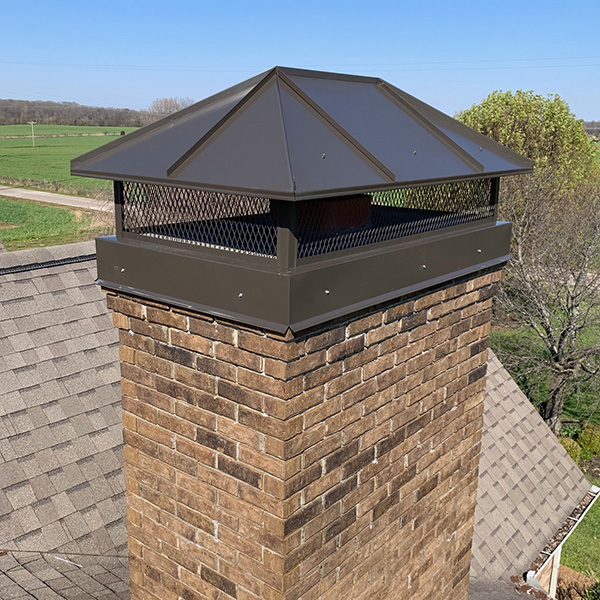
A chimney cap is the metal-and-mesh cover that sits over the top opening of your flue. It's small, but it does four important jobs at once: it keeps rain and snow out of the flue, it blocks birds, squirrels, and raccoons from getting in, it stops leaves and debris from clogging the chimney, and its mesh acts as a spark arrestor that catches embers before they can land on your roof. One inexpensive part quietly guards against water damage, animal intrusion, blockage, and roof fires.
That's why the cap punches so far above its size. When it's in place, the flue is protected at its most vulnerable point, the open hole at the top. When it's gone, every one of those four protections disappears at once, and North Texas weather and wildlife waste no time taking advantage.
Why is a missing chimney cap a real problem?
The biggest issue is water. With no cap, every rain sends water straight down the flue, where it attacks the liner, the damper, the smoke shelf, and the interior masonry from the inside out. That's the moisture that rusts steel dampers solid, deteriorates the flue, and stains ceilings. In a climate with our downpours and freeze-thaw swings, an open flue can rack up expensive interior damage over a single wet season.
Then there's wildlife. An uncapped flue is an open invitation to birds, squirrels, and raccoons looking for a sheltered place to nest, which leads to blockages, odors, and sometimes trapped animals, the kind of situation our chimney nest removal service exists to fix. Debris collects and blocks proper venting, and without a spark arrestor, embers from your fire can reach the roof. A missing cap isn't one problem; it's the door to several.
Why do chimney caps blow off in North Texas?
Caps go missing for a few common reasons here. High winds and severe storms, which the metroplex gets plenty of, can lift a cap that was poorly fitted or loosely secured. Hail can dent and damage them. And time takes a toll: an older cap's fasteners corrode, the mesh rusts through, and eventually a gust finishes the job. Many caps that "blew off" were already weakened by years of weather and were one strong storm away from failing.
This is also why cheap, poorly installed caps don't last. A quality cap that's correctly sized and properly secured to the flue stays put through the weather that rips off the bargain versions. When you replace a cap, how it's fitted matters as much as the cap itself.
How much does a replacement chimney cap cost in DFW?
Chimney cap replacement is one of the more affordable pieces of chimney work, which is what makes it such a good value against the damage it prevents. The cost depends on a few things: the size and number of flues the cap has to cover, the material you choose, galvanized steel is economical, stainless steel and copper cost more but last far longer, whether you want a standard single-flue cap or a larger multi-flue or full chase cover, and roof height and access. A standard single-flue stainless cap, installed, is a modest expense; multi-flue and custom chase covers run higher.
Because the right cap and price depend on your specific chimney, we quote it after a quick look rather than guessing. What we can promise is that the cost of a proper cap is small next to the water, animal, and liner damage an open flue can cause, which is exactly why chimney cap installation is one of the highest-return maintenance items on any chimney.
How Fast Should You Act?
Sooner than you'd think. Every rain between now and the replacement sends water down an open flue, and every night is a chance for an animal to move in. If your cap is gone, the smart move is to get a new one installed before the next storm, not after another season of exposure. In the very short term, you should avoid using the fireplace with a missing cap, you've lost the spark arrestor, and keep an eye out for signs something has already gotten in.
If the cap has been missing for a while, it's worth pairing the replacement with a quick chimney inspection to check for water damage, a rusted damper, or a nest that moved in while the flue was open. That way you fix the cause and catch any effects in one visit, rather than discovering them the hard way later.
Get Your Cap Replaced in the DFW Metroplex
A missing chimney cap is one of those rare problems that's cheap to solve and expensive to ignore. Lowes Chimney Sweep installs correctly sized, properly secured caps, from economical galvanized to long-life stainless and copper, across Plano, Dallas, and 98 cities in the metroplex. We're certified, insured, and 5-star rated, and we offer same-day and Sunday service because an open flue shouldn't wait for a weekday. Call (214) 225-8874 and we'll get your chimney covered again before the next storm.
- Chimney Cap Installation Cost, installing a new or upgraded cap
- Chimney Cap Repair Cost, fixing an existing cap
Honest Work at an Honest Number
Free online quotes · Photos before prices · HEPA dust control · Open 7 days
Call (214) 225-8874Get an Instant Estimate →📍 1008 Ridgefield Dr, Plano TX 75075 | 🕗 Open 7 days · 8AM-8PM
Lost your cap in a storm? Our chimney cap installation page covers materials and fit, and a quick inspection checks for any damage while the flue was open, or request your Free Online Quote below.
Quick Answers
How much does chimney cap replacement cost in DFW?
A chimney cap replacement in DFW typically costs $300 to $700 in 2026. Cost depends on flue size and count, material (galvanized is economical; stainless and copper last longer), whether it's a single-flue cap or a multi-flue chase cover, and roof access. Multi-flue and custom covers cost more, and the final price follows a quick look.
Is it safe to use my fireplace with a missing chimney cap?
It's best not to. Without the cap you've lost the spark arrestor that catches embers, and an open flue is exposed to water and animals. Avoid burning until a new cap is installed, and consider a quick inspection to make sure nothing got in while the flue was uncovered.
Why did my chimney cap blow off?
Usually a combination of North Texas storms and age. High winds and hail can lift a poorly fitted or corroded cap, and older caps often have rusted fasteners and mesh that finally give way in a strong gust. A quality cap that's correctly sized and properly secured is far more likely to stay put.
What happens if I leave the flue uncapped?
Rain pours down the flue and damages the liner, damper, and interior masonry; birds and squirrels can nest inside; debris blocks proper venting; and embers can reach the roof with no spark arrestor. A cheap-to-replace part left off can lead to expensive water, animal, and liner damage.
Should I get an inspection when I replace the cap?
If the cap has been missing for a while, yes. Pairing the replacement with an inspection catches any water damage, a rusted damper, or a nest that moved in while the flue was open, so you fix both the cause and any effects in one visit instead of finding them later.
Where to go next
Ready for the service? → Chimney Cap Installation
Keep reading: → Why Your Chimney Leaks When It Rains
Did you like this article?
Your feedback helps us write better chimney guides for DFW homeowners.
Found a typo or wording we should improve? Email us and tell us exactly what to fix.