Lowes Chimney Sweep Blog
Haven't Used Your Fireplace in Years? Don't Light It Before Checking These Things
By the Lowes Chimney Sweep crew · Plano, TX
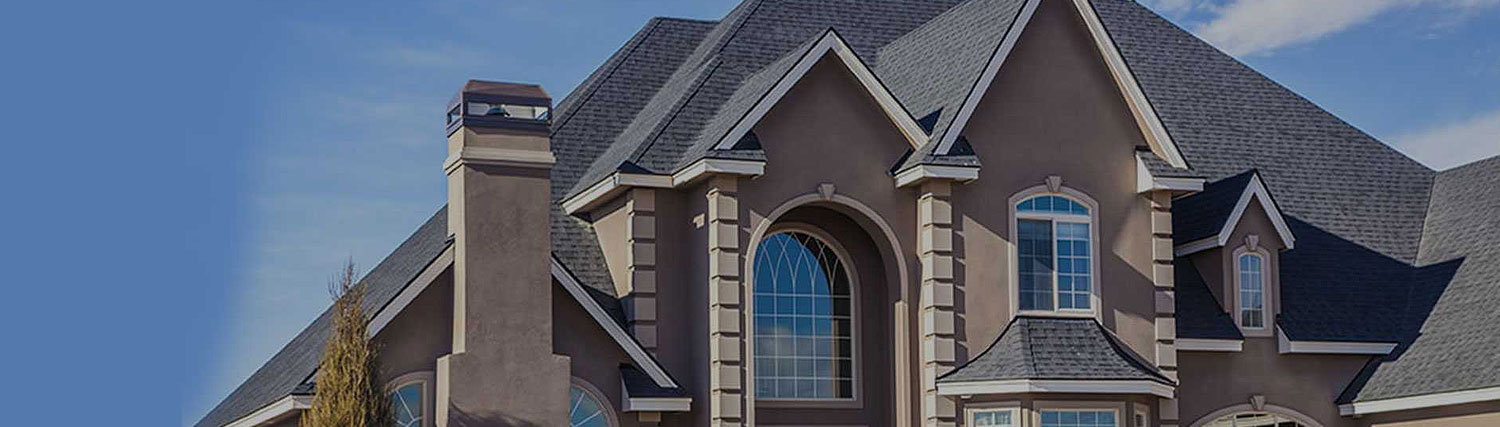
Maybe you just bought the house, or you're finally ready to use the fireplace after years of it sitting cold. It's tempting to stack some wood and strike a match on the first chilly night. Please don't, not yet. A chimney that's sat unused for years isn't just a clean slate waiting to be lit; it can hide several problems that turn a cozy first fire into a smoke-filled room, a chimney fire, or a carbon monoxide scare. The good news is these problems are easy to catch before you burn. Here's what can be lurking in a dormant chimney and exactly what to check before that first fire.
A Dormant Chimney Isn't a Safe Chimney by Default
People assume that because a fireplace hasn't been used, nothing can be wrong with it. It's the opposite. Not using it means no one has looked inside in years, so whatever was left in there from the last owner, and whatever moved in or deteriorated since, is still there. Chimneys don't stay in stasis; they're exposed to weather every day whether you burn or not, and they're an open invitation to wildlife when they sit quiet. "It hasn't been used" is a reason to check it more carefully, not less.
What Can Be Hiding in There
Here's what we most often find in a fireplace that's been dormant for years:
Old creosote. If the previous owner burned wood, the flammable creosote from those fires is still coating the flue. It doesn't disappear with time. Light a hot fire against years-old creosote and you have a real chimney-fire risk until it's removed with a proper chimney sweep, and if it's hardened and glazed, dedicated creosote removal.
Animal nests and blockages. A quiet, uncapped flue is prime real estate for birds, squirrels, and raccoons. A nest or packed debris blocks the chimney, so your first fire pushes smoke and carbon monoxide back into the room. Clearing it is nest removal work.
Deterioration from years of weather. The crown may have cracked, the liner may have deteriorated, and water may have done damage while no one was watching, all things that make burning unsafe.
A stuck or rusted damper, or a missing cap that let rain and debris in the whole time.
Why the First Fire Is the Risky One
The danger with a long-dormant fireplace is that all of these problems stay invisible until you light it, and then they announce themselves at the worst moment. A blocked flue fills the room with smoke and carbon monoxide. Old creosote can ignite into a chimney fire. A cracked liner can let heat reach the framing. You find out something is wrong only after the fire is already burning, which is exactly the situation you want to avoid. Checking first turns "hope it's fine" into "know it's safe."
The Smart Move: An Inspection Before the Match
The single best thing you can do before lighting a fireplace that's been unused for years is get a chimney inspection. A technician checks the flue for creosote and blockages, looks for nests, examines the crown, liner, and damper, and confirms the cap is in place, often with a camera up the flue. It tells you exactly what, if anything, needs attention before you burn, and whether a sweep, nest removal, or repair is needed. Compared to the cost of a chimney fire or a smoke-and-CO emergency, an inspection is cheap insurance, and it's the responsible first step for any dormant fireplace.
How We Get a Dormant Fireplace Ready
When you call us about a fireplace that's been sitting for years, we inspect it top to bottom first and show you what we find with photos, whether that's old creosote, a nest, a cracked liner, or a clean bill of health. From there we do only what's actually needed: a sweep, creosote removal, clearing a blockage, a cap, or a repair. If it's genuinely fine, we tell you that too. You'll know your fireplace is safe to use before you ever light it, with an itemized, no-pressure plan for anything that needs doing. That's how a first fire should feel, warm and completely uneventful.
Why DFW Homeowners Call Lowes
Getting a long-unused fireplace safely back in service is one of the most common calls we get, especially from new homeowners across the metroplex. Lowes Chimney Sweep is certified, insured, and 5-star rated across Dallas-Fort Worth, we document what we find, and we offer same-day and Sunday appointments so you're not waiting to enjoy your fireplace. Before you light a fireplace that's been cold for years, call (214) 225-8874 and let us make sure it's safe first.
Honest Work at an Honest Number
Free online quotes · Photos before prices · HEPA dust control · Open 7 days
Call (214) 225-8874Get an Instant Estimate →📍 1008 Ridgefield Dr, Plano TX 75075 | 🕗 Open 7 days · 8AM-8PM
Ready to use a long-dormant fireplace? Start with a documented chimney inspection and a chimney sweep, or request your Free Online Quote below.
Quick Answers
Can I just light my fireplace if it hasn't been used in years?
Not safely, without checking it first. A dormant chimney can hide old creosote, animal nests, blockages, and deterioration that make the first fire dangerous, risking a chimney fire, smoke, or carbon monoxide in the room. Get it inspected before you burn; these problems are easy to catch beforehand and dangerous to discover mid-fire.
Does creosote go away if the fireplace isn't used?
No. Creosote from previous fires stays in the flue indefinitely, it doesn't break down with time. If the past owner burned wood, that flammable buildup is still there, and a hot first fire against it is a chimney-fire risk. It has to be removed with a sweep, or creosote removal if it's hardened and glazed.
What's the risk if an animal nested in the chimney?
A nest or debris blocks the flue, so your first fire can't vent, pushing smoke and carbon monoxide back into your home. Uncapped, quiet chimneys are prime nesting spots. Any blockage should be cleared and the flue confirmed open before you burn, and a cap installed to keep it from happening again.
What should I check before lighting a long-unused fireplace?
Have it professionally inspected: the flue for creosote and blockages, the chimney for nests, the crown, liner, and damper for deterioration, and the cap. A camera inspection sees the interior condition. Then do only what's needed, a sweep, nest removal, or repair. It confirms the fireplace is safe before the match.
Is an inspection really necessary just to use it once?
Yes, because the very first fire is when hidden problems show up, at the worst possible moment. An inspection is inexpensive next to a chimney fire or a smoke-and-CO emergency, and it turns "I hope it's fine" into "I know it's safe." For any fireplace unused for years, it's the responsible first step.
Where to go next
Ready for the service? → Chimney Inspection
Keep reading: → First Fire of the Season Checklist
Did you like this article?
Your feedback helps us write better chimney guides for DFW homeowners.
Found a typo or wording we should improve? Email us and tell us exactly what to fix.