BEFORE YOU HIRE
What a Chimney Inspector Does, And Why It Matters for DFW Homeowners
Lowes Chimney Sweep · Plano, TX · Serving 98 DFW cities
So You Need a Chimney Inspector, Here's What That Actually Means
Most homeowners don't think about their chimney until something goes wrong, a strange smell, smoke backing up into the room, or water stains on the ceiling near the fireplace. At that point, someone tells them they need a chimney inspector, and suddenly they're Googling the term with no idea what to expect. Let me walk you through exactly what a chimney inspector does, what they're looking for, how the process works, and what it should realistically cost you here in the Dallas-Fort Worth area.
What a Chimney Inspector Is Actually Checking
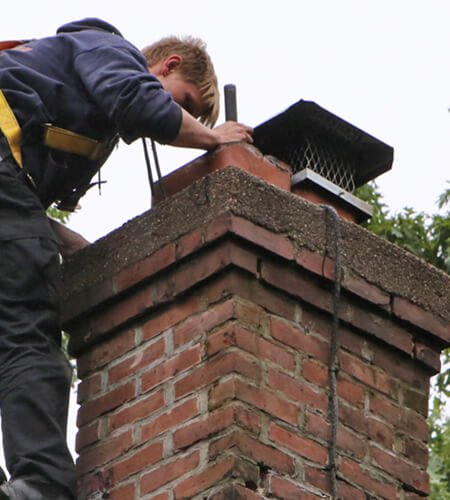
A chimney inspection isn't just someone shining a flashlight up your flue and calling it a day. A thorough inspector is evaluating the entire system from the firebox at the bottom all the way to the cap sitting on top of the crown. Here's what that includes:
- Firebox and smoke chamber: Checking for cracked refractory panels, deteriorated mortar joints, and buildup on the smoke shelf.
- Damper: Making sure it opens, closes, and seals the way it should. A stuck or warped damper causes both draft problems and energy loss.
- Flue liner: Looking for cracks, gaps, or deterioration in the clay tile or metal liner. This is where most serious safety issues hide.
- Crown and cap: The crown is the concrete or mortar slab at the very top of the masonry, it cracks over time and lets water in. The cap is the metal cover that keeps rain, birds, and debris out of the flue opening.
- Flashing: The metal seal where the chimney meets the roof. One of the most common sources of chimney-related water leaks in DFW homes.
- Exterior masonry: Looking at the mortar joints, brickwork, and any signs of spalling, efflorescence, or structural movement.
- Creosote levels: For wood-burning fireplaces, assessing how much combustible deposit has built up inside the flue, and what stage it's at.
The inspector should be documenting everything they find and explaining it to you clearly, not just handing you a list of recommended services.
The Three Levels of Chimney Inspection
The chimney industry uses a standard three-level classification system, and it's worth knowing what each one involves before you make a call.
Level 1 is a visual inspection of all accessible areas, no special tools, no camera equipment. This is appropriate for a chimney you've been using regularly with no known issues and no changes to the system. Think of it as an annual checkup.
Level 2 adds a video camera scan of the interior flue. This is required any time you're buying or selling a home, after a chimney fire, after a severe weather event like the ice storms we get here in North Texas, or when you've made a change to the appliance connected to the flue. This is also what most homeowners need when they've moved into a home and aren't sure what shape the chimney is in.
Level 3 is the most invasive, it involves removing parts of the structure to access areas that can't be seen otherwise. This is uncommon and is only warranted when a Level 2 reveals something serious that requires further investigation.
For most DFW homeowners calling us for the first time, a Level 2 inspection is what makes sense. You want the camera footage so you know exactly what's inside that flue before you light a fire or start troubleshooting a problem. You can learn more about the full process on our chimney inspection service page.
What a Chimney Inspection Costs in the DFW Area
I'm not going to give you a fake low number to get you in the door. Here in the Dallas-Fort Worth market, a Level 1 inspection typically runs in the a clear, upfront price range. A Level 2 with camera inspection generally falls a clear, upfront price depending on the company, the chimney height, and whether it's a single or multiple flue system.
Some companies will waive or discount the inspection fee if you proceed with a sweep or repair on the same visit, that's a reasonable practice as long as the inspection itself is genuinely thorough and not just a sales lead.
Be cautious of any company offering an inspection for a clear price confirmed before any work begins or less. In most cases, that's a bait-and-switch situation where the low price gets them in the door and then you're hit with a list of repairs that may or may not be necessary. Hire a company that's upfront about pricing and willing to show you photo or video documentation of anything they find.
How Often Should a DFW Homeowner Get an Inspection?
The industry standard is once a year. That's true even if you don't use your fireplace often. Chimneys in North Texas deal with specific stress factors that people don't always think about, the clay soil here expands and contracts with moisture changes, which puts pressure on your foundation and, over time, can affect the structure of a chimney. We also get severe hail, high winds, and occasional ice events that can crack crowns and shift flashing even if you never lit a fire all winter.
If you're in an area like Dallas with older housing stock, annual inspections are especially important because many of those chimneys haven't been touched in decades and were built before current safety standards existed.
What Happens After the Inspection
A good inspector will walk you through what they found before they leave. You should get a clear explanation of anything that needs attention, whether it's urgent or something you can schedule in the next few months, and a written estimate if repairs are needed.
Don't let anyone pressure you into signing off on FAST-scheduling repairs without giving you time to review what they found. A reputable company will give you documentation, photos, camera footage, written notes, and let you make an informed decision. If you want to see what real chimney conditions look like before and after service, take a look at our before and after gallery to get a sense of what we typically find.
If the inspection turns up something specific, a cracked crown, failed flashing, deteriorated liner, ask exactly what repair is involved, why it matters, and what happens if you wait. Not everything is an emergency. A technician who's honest with you about that is one worth keeping around.
How to Find a Qualified Chimney Inspector
Look for a company that employs trained technicians through the Chimney Safety Institute of America (CSIA). CSIA certification requires passing a written exam and ongoing continuing education, it's a reasonable baseline for competence. Beyond that, check Google reviews, ask if they carry liability insurance, and make sure they can provide video documentation for a Level 2 inspection.
If you have questions before booking, our FAQ page covers a lot of common concerns about what to expect from an inspection and other chimney services.
Ready to schedule? Give us a call at (214) 225-8874 or head over to our contact page to request an appointment. We serve the entire Dallas-Fort Worth area and can usually get you on the schedule within a few days.
Where to go from here
Honest Work at an Honest Number
Free online quotes · Photos before prices · HEPA dust control · Open 7 days
Call (214) 225-8874Get an Instant Estimate →📍 1008 Ridgefield Dr, Plano TX 75075 | 🕗 Open 7 days · 8AM-8PM
If you'd rather have a professional confirm what's going on before deciding anything, our chimney inspection service covers exactly this process, and our chimney sweep and cleaning service handles what most inspections turn up. You can see real inspection and repair photos on our before and after gallery, or request your Free Online Quote and we'll get a technician out to look at it.
Quick Answers
Do I need a chimney inspection if I never use my fireplace?
Yes. Even unused chimneys can develop problems, animals can nest inside, crowns crack from weather exposure, and flashing fails over time. A fireplace that's been sitting dormant for years should be inspected before you use it. You may also have moisture intrusion happening inside the flue that you can't see from inside the house.
How long does a chimney inspection take?
A Level 1 inspection typically takes 30 to 45 minutes. A Level 2 with a camera scan usually runs 45 minutes to an hour and a half depending on the chimney's height and how many flues are involved. Plan to be present so the technician can walk you through findings in real time.
What's the difference between a chimney inspection and a chimney sweep?
An inspection is an assessment of the chimney's condition. A sweep is the cleaning process that removes creosote, soot, and debris from the flue. The two are often done together, but they're separate services. It's generally smart to inspect before or during a sweep so you know if there are any underlying issues before you start using the fireplace.
Can I inspect my own chimney?
You can do a basic visual check, look at the firebox for cracks, check that the damper opens and closes, peer up the flue with a flashlight for obvious blockages. But you cannot replicate a camera scan, you may not recognize early-stage liner damage, and you can't safely assess the crown or upper flashing without being on the roof with the right knowledge. For anything beyond a quick visual check, hire a professional.
What are the most common things found during a chimney inspection in North Texas?
In the DFW area, we most frequently find cracked crowns from thermal expansion and hail damage, failed or improperly installed flashing, deteriorated mortar joints from the wet-dry cycles our soil creates, and animals, especially raccoons and birds, nesting in chimneys without caps. Creosote buildup is common in wood-burning fireplaces that haven't been swept regularly.
Do I need a chimney inspection when buying or selling a home?
Yes, and it is one of the most common reasons DFW homeowners call us. A standard home inspection looks at the chimney only from the outside and from the firebox opening; it does not include an internal flue evaluation. A dedicated Level 2 chimney inspection is the standard for any property transfer, and it frequently catches liner cracks or flashing failures a general inspection misses.
Will a chimney inspection make a mess or damage my roof?
It should not. A proper inspection uses drop cloths at the hearth and controlled access on the roof. Technicians work off the roof edge or a ladder rather than walking a fragile surface where possible, and nothing is dismantled without telling you first. If your roof is aging or steeply pitched, say so when booking so the right access method is planned.
What happens if my chimney fails the inspection?
Nothing is condemned on the spot. You get a written report describing what was found, how urgent it is, and what it affects. Some findings are safety-critical and mean you should not burn until they are fixed; others are maintenance items you can plan around. You are never obligated to book the repair with the company that performed the inspection.
Does homeowners insurance cover chimney inspections or repairs?
Routine inspections and normal wear are almost never covered, because insurers treat them as maintenance. Sudden accidental damage is different: a chimney fire, a lightning strike, or storm damage is often covered. An inspection report documenting the cause and date of damage is usually what an adjuster asks for first, so getting one promptly matters if you intend to file.
Where to go next
Ready for the service? → Chimney Inspection
Keep reading: → What a Chimney Inspection Includes
Did you like this article?
Your feedback helps us write better chimney guides for DFW homeowners.
Found a typo or wording we should improve? Email us and tell us exactly what to fix.