Lowes Chimney Sweep Blog
You Were Told Not to Use Your Fireplace: What Must Be Repaired Before You Use It Again?
By the Lowes Chimney Sweep crew · Plano, TX
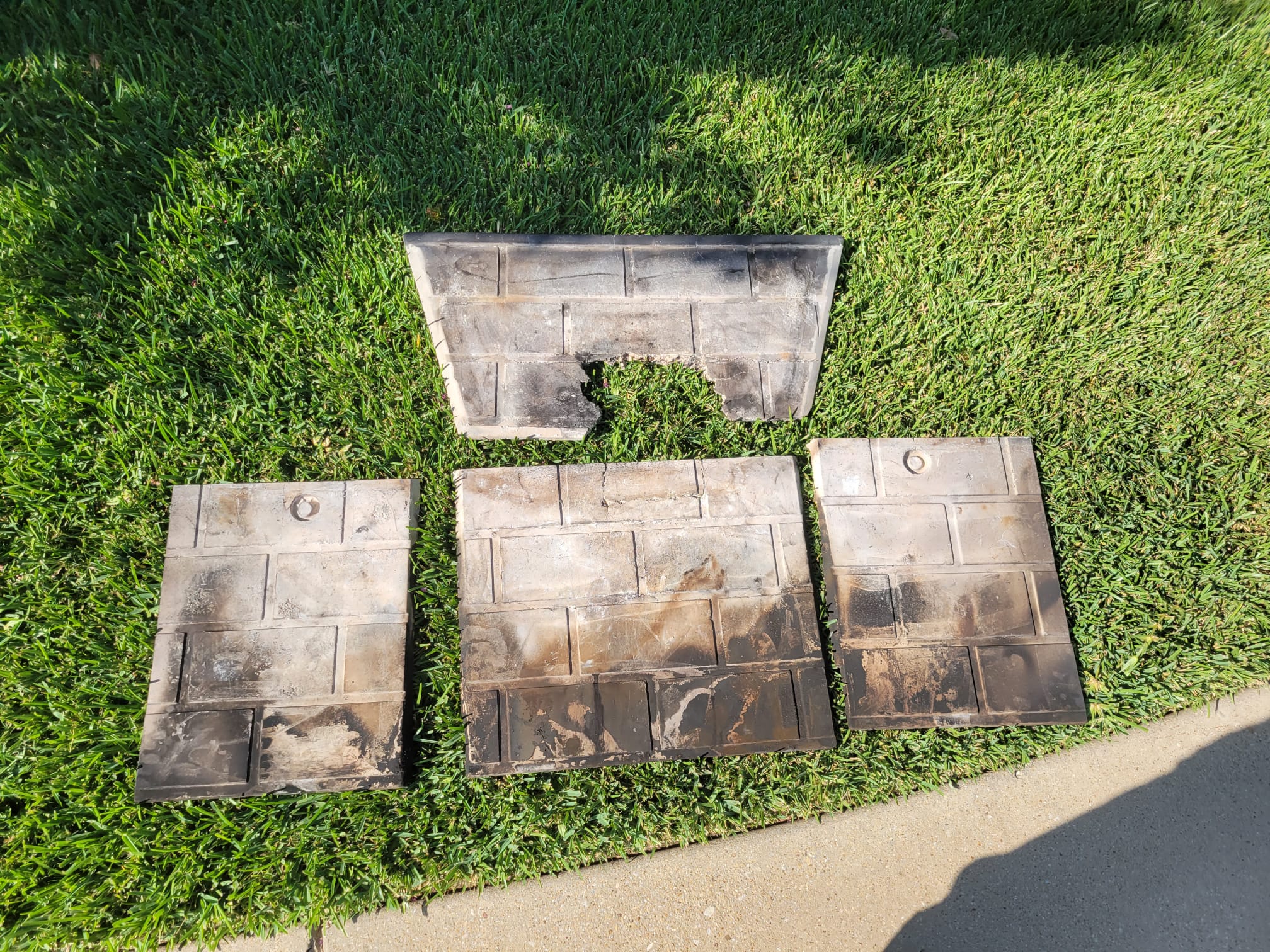
An inspector or chimney technician looked at your fireplace and told you not to use it, maybe during a home inspection, maybe after a service call. It's unsettling to hear, and it leaves you with questions: how serious is this, what actually has to be fixed, and can I ever use my fireplace again? First, the reassurance: being told not to use it doesn't mean the fireplace is ruined. It means a specific safety problem was found, and that problem needs to be repaired before you burn, but it is almost always fixable. The important thing is to take the warning seriously and not light a fire until the issue is resolved. Here's why fireplaces get flagged and what it takes to get yours safely back in service.
Why "Don't Use It" Is a Warning Worth Heeding
When a qualified professional says a fireplace is unsafe to use, they're not being dramatic, they've found a condition that makes burning genuinely hazardous, usually a fire or carbon monoxide risk. It's tempting to think "it's worked fine for years" and light one anyway, but the whole point of the warning is that a hidden problem has crossed the line into dangerous, and the next fire is the one that could cause harm. The good news is that "do not use" is a pause, not a death sentence for your fireplace. Identify the problem, repair it, verify the fix, and you can burn safely again. The danger is only in ignoring the warning.
The Common Reasons a Fireplace Gets Flagged
Here's what usually prompts a "don't use it" and what each one requires:
A cracked or damaged flue liner. The most common reason. The liner is the barrier between the fire and your home's framing, so a cracked one can let heat reach combustibles and carbon monoxide into the home. It must be repaired or replaced through liner repair before the fireplace is safe.
Heavy, glazed creosote. A flue caked with third-stage creosote is a chimney-fire waiting to happen. It has to be professionally removed before you burn.
A blockage or venting failure. A nest, debris, or a draft problem that stops the chimney from venting means smoke and CO would come into the room. The flue must be cleared and confirmed to vent properly.
Structural or masonry danger. Significant deterioration, a compromised firebox, or an unstable chimney needs repair before use.
A gas fireplace safety issue, where a gas or venting fault makes operation unsafe until corrected.
Why You Shouldn't Just Burn Anyway
We understand the temptation, especially if the fireplace looked and worked fine to you. But the reasons fireplaces get flagged are exactly the reasons chimney fires and carbon monoxide incidents happen. A cracked liner doesn't fail gradually and visibly, it fails when a hot fire sends heat through the crack, or when CO seeps in during a burn. Heavy creosote doesn't warn you before it ignites. The professional who told you not to use it was catching the danger before it caused harm, which is the entire value of the warning. Lighting a fire against a known safety problem is gambling with the one outcome the warning exists to prevent.
What "Cleared to Use" Actually Requires
Getting your fireplace safely back in service is a clear process, not a guessing game. First, a thorough diagnosis, ideally a Level 2 inspection with a camera up the flue, to confirm exactly what the problem is and rule out anything else. Second, the specific repair: relining, creosote removal, clearing a blockage, masonry repair, or a gas correction, depending on what was found. Third, verification that the fix resolved the issue and the fireplace now operates and vents safely. Only when all three are done is the fireplace genuinely cleared to use. A reputable company won't tell you to burn again until it's confident the fireplace is safe, and it will show you the evidence at each step.
A Second Opinion Is Fair, With One Rule
If you're unsure about a "do not use" verdict, getting a second opinion is completely reasonable, and a good company welcomes it. The one rule: don't use the fireplace while you're getting that second opinion. Have another professional inspect it, with a camera, so you can see the evidence for yourself, and compare. Often the second opinion confirms the problem, sometimes it adds useful detail, and occasionally it clarifies the scope. What you shouldn't do is treat "I want a second opinion" as permission to keep burning in the meantime. Verify, don't gamble. A documented inspection from a company that shows you photos is the way to get a straight answer.
How We Get You Safely Back to Burning
When you call us after being told not to use your fireplace, we inspect it thoroughly, with a camera where needed, to confirm exactly what's wrong, show you the evidence, and give you an itemized plan to fix it. We handle the repair, whether that's relining, creosote removal, clearing a blockage, or masonry work, and we verify the fireplace is safe before we clear it for use. We won't oversell you repairs you don't need, and we won't clear a fireplace that isn't genuinely safe. The goal is simple: get you back to enjoying your fireplace, with the confidence that it's actually safe to burn.
Why DFW Homeowners Call Lowes
A "do not use" verdict deserves a thorough, honest diagnosis and a clear path back to a working fireplace. Lowes Chimney Sweep is certified, insured, and 5-star rated across the Dallas-Fort Worth metroplex, we show you the evidence with photos and camera footage, and we offer same-day and Sunday appointments so you're not left with an unusable fireplace longer than necessary. If you've been told not to use your fireplace, call (214) 225-8874 and we'll find out exactly what it needs, and get you safely back to burning.
Honest Work at an Honest Number
Free online quotes · Photos before prices · HEPA dust control · Open 7 days
Call (214) 225-8874Get an Instant Estimate →📍 1008 Ridgefield Dr, Plano TX 75075 | 🕗 Open 7 days · 8AM-8PM
Told not to burn? A documented chimney inspection confirms what's needed and our chimney repair gets you cleared, or request your Free Online Quote below.
Quick Answers
A professional told me not to use my fireplace, is it ruined?
No. It means a specific safety problem was found that needs repair before you burn, but it's almost always fixable. Being told not to use it is a pause, not a death sentence. Identify the problem, repair it, verify the fix, and you can burn safely again. The danger is only in ignoring the warning and lighting a fire anyway.
What are the common reasons a fireplace is flagged unsafe?
Most often a cracked flue liner (which can let heat reach framing and CO into the home), heavy glazed creosote (a chimney-fire risk), a blockage or venting failure (a CO risk), significant structural or masonry damage, or a gas fireplace safety fault. Each requires a specific repair before the fireplace is safe to use.
Can't I just use it carefully until I get it fixed?
No. The reasons fireplaces get flagged are exactly the reasons chimney fires and carbon monoxide incidents happen, and they fail suddenly, not gradually. A cracked liner fails when a hot fire sends heat through the crack. The warning exists to catch the danger before it causes harm; burning anyway gambles with that exact outcome.
What has to happen before my fireplace is cleared to use?
Three things: a thorough diagnosis (ideally a Level 2 camera inspection) to confirm the problem, the specific repair (relining, creosote removal, clearing a blockage, masonry work, or a gas fix), and verification that the fireplace now operates and vents safely. Only when all three are done is it genuinely cleared to burn.
Should I get a second opinion on a "do not use" verdict?
Yes, that's reasonable, and a good company welcomes it, with one rule: don't use the fireplace while you're getting it. Have another professional inspect it with a camera so you can see the evidence yourself, and compare. Verify rather than gamble; "I want a second opinion" isn't permission to keep burning in the meantime.
Where to go next
Ready for the service? → Chimney Repair
Keep reading: → CO Detector Going Off Near the Fireplace?
Did you like this article?
Your feedback helps us write better chimney guides for DFW homeowners.
Found a typo or wording we should improve? Email us and tell us exactly what to fix.