Lowes Chimney Sweep Blog
Do I Need a Chimney Liner? A DFW Homeowner's Guide
By the Lowes Chimney Sweep crew · Plano, TX
"Do I need a chimney liner?" is one of the most confusing questions homeowners run into, partly because the answer depends on your chimney and partly because it's a spot where some companies push unnecessary work. So let's cut through it. A chimney liner is the single most important safety component inside your chimney, and whether you need a new one comes down to a few clear factors. Here's what a liner does, how to tell if yours is failing, when relining is genuinely required, and how a DFW homeowner can get an honest answer.
What a Chimney Liner Actually Is
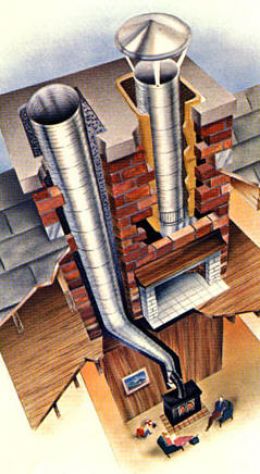
The liner is the vertical channel inside your chimney that carries smoke and combustion gases up and out. It's usually made of clay tile in older masonry chimneys, or stainless steel in newer or relined ones. Its job is threefold: it protects the surrounding brick and mortar from heat and corrosive byproducts, it protects the wood framing of your home from the intense heat of the fire, and it provides a smooth, correctly sized path for gases to vent efficiently. In short, the liner is the barrier between your fire and your house. A chimney without a sound liner is not safe to use.
Signs Your Liner May Be Damaged
Because the liner is hidden inside the chimney, you usually can't inspect it yourself, but there are warning signs. Pieces of clay tile or thin flakes of terracotta showing up in the firebox is a classic red flag that a tile liner is cracking and shedding. Poor drafting, smoke entering the room, or a fireplace that just doesn't pull the way it used to can indicate a liner problem. Water damage, a long history of no maintenance, or a previous chimney fire all raise the odds of a cracked liner. And any home built before modern codes, or with an unlined chimney, is a candidate for evaluation.
When Relining Is Genuinely Required
There are a handful of situations where a new liner is truly necessary, not optional. A cracked, gapped, or deteriorated liner must be repaired or replaced, because those cracks let heat and carbon monoxide reach places they shouldn't, this is the core of chimney liner repair. A chimney with no liner at all needs one to be safe. After a chimney fire, the liner is often damaged by the heat and needs replacement. And when you change what's venting through the chimney, installing a new insert, or converting to gas, the liner frequently must be resized or replaced to match, since a liner that's the wrong size for the appliance won't vent safely. These are legitimate reasons, and a good company can show you the evidence for them.
When You Probably Don't Need One
Just as important: sometimes you don't need a new liner, and you should be skeptical of anyone who says you do without proof. If your existing clay liner is intact, correctly sized, and free of cracks, it can serve for decades. A single hairline that's actually in the crown, not the liner, isn't a reline. Being told you "need a full stainless reline" with no camera footage of a damaged liner is exactly the kind of high-ticket recommendation to slow down on. The honest test is the same as always: can they show you the damage inside your flue?
The Only Way to Know for Sure: A Camera
You cannot diagnose a liner from the ground, and neither can anyone else. The reliable answer comes from a Level 2 inspection, which runs a video camera up the full length of the flue and shows the actual condition of the liner, cracks, gaps, missing sections, or a clean bill of health, documented with images you can see. This is the single most valuable thing you can do when the liner question comes up, because it turns "just trust me" into visible fact. It confirms a needed reline and, just as often, saves you from an unnecessary one.
Wood vs. Gas: Does It Change the Answer?
Somewhat. Wood-burning produces creosote and high heat, so a sound, correctly sized liner is essential and creosote buildup must be kept in check with regular sweeping. Gas appliances don't make creosote, but they produce moisture and acidic byproducts that can attack an unlined or oversized flue, and gas conversions very commonly require a properly sized stainless liner to vent safely. So whether you burn wood or gas, the liner still matters, the specifics of what's required just differ. If you're converting fuel types or adding an insert, plan on having the flue and liner evaluated as part of the job through a proper chimney inspection.
Get an Honest Liner Answer in DFW
The liner is too important to guess about and too expensive to replace unnecessarily, which is exactly why you want a company that answers with a camera, not a sales script. Lowes Chimney Sweep is certified, insured, and 5-star rated across the Dallas-Fort Worth metroplex. We scan your flue, show you its real condition, and tell you plainly whether the liner is fine, needs a repair, or genuinely needs replacing, with the footage to back it up. Call (214) 225-8874 for a straight answer on your liner.
Honest Work at an Honest Number
Free online quotes · Photos before prices · HEPA dust control · Open 7 days
Call (214) 225-8874Get an Instant Estimate →📍 1008 Ridgefield Dr, Plano TX 75075 | 🕗 Open 7 days · 8AM-8PM
Wondering about your liner? Our chimney liner repair and Level 2 camera inspection pages show how we confirm what's actually needed, or request your Free Online Quote below.
Quick Answers
What does a chimney liner do?
The liner is the channel inside the chimney that carries smoke and gases out. It protects the surrounding masonry from heat and corrosion, protects your home's framing from the fire's heat, and gives gases a smooth, correctly sized path to vent. It's the barrier between the fire and your house, so a sound liner is essential for safe use.
How do I know if my chimney liner is damaged?
Warning signs include pieces of clay tile or terracotta flakes in the firebox, poor drafting or smoke entering the room, water damage, a past chimney fire, or an old unlined chimney. Because the liner is hidden, the only way to confirm is a Level 2 camera inspection of the flue.
When is chimney relining actually required?
When the liner is cracked, gapped, or deteriorated; when there's no liner at all; after a chimney fire damages it; or when you change what vents through the chimney, such as adding an insert or converting to gas and the liner must be resized. A camera should show the damage before a reline is recommended.
Can I be told I need a liner when I don't?
Yes, which is why proof matters. An intact, correctly sized clay liner can last decades. Being told you need a full stainless reline with no camera footage of actual damage is a recommendation to slow down on. Ask to see the cracks inside your own flue before approving expensive relining.
Do I need a liner for a gas fireplace?
Often, yes. Gas doesn't make creosote, but it produces moisture and acidic byproducts that can damage an unlined or oversized flue, and gas conversions commonly require a properly sized stainless liner to vent safely. If you're converting fuel types or adding an insert, have the flue and liner evaluated as part of the work.
Where to go next
Ready for the service? → Chimney Liner Repair
Keep reading: → Level 1 vs. Level 2 Inspection
Did you like this article?
Your feedback helps us write better chimney guides for DFW homeowners.
Found a typo or wording we should improve? Email us and tell us exactly what to fix.