Lowes Chimney Sweep Blog
Can a Chimney Look Safe Outside but Be Dangerous Inside?
By the Lowes Chimney Sweep crew · Plano, TX
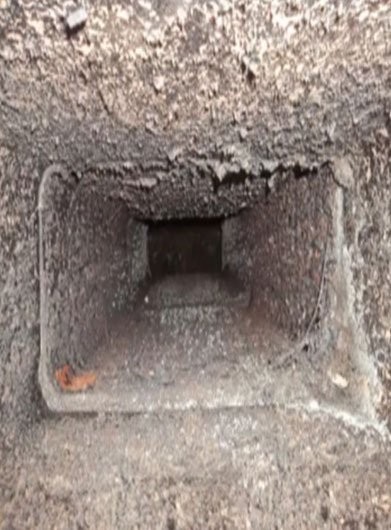
It's a fair and important question, and the answer is an unqualified yes: a chimney can look completely sound on the outside and be genuinely dangerous on the inside. Solid brick, straight stack, no visible cracks, none of that tells you anything about the condition of the flue and liner inside, which is exactly where the most serious chimney dangers live. The parts that keep you safe from fire and carbon monoxide are hidden within the chimney, invisible from any angle you can see. That's why a chimney that "looks fine" is not the same as a chimney that is fine, and why the inside deserves its own look. Here's what can be hiding behind a perfectly normal-looking exterior.
The Outside Tells You Almost Nothing About Safety
Here's the disconnect: the exterior of your chimney, the brick you can see, is largely cosmetic and structural, while the safety of the chimney depends on the flue and liner inside. A chimney can have flawless brickwork and a cracked liner. It can stand perfectly straight and be packed with flammable creosote. The exterior and the interior are, in safety terms, almost two different chimneys. So judging a chimney's safety by how it looks from outside is like judging a car's engine by its paint job, the appearance and the thing that actually matters are unrelated. This is the core reason "it looks fine" gives false comfort.
The Dangers Hiding Inside the Flue
Behind a sound-looking exterior, these are the interior problems that make a chimney genuinely dangerous:
A cracked flue liner. The liner is the barrier between the fire and your home's framing. When it cracks, from age, a past chimney fire, or water damage, intense heat can reach combustible materials, and carbon monoxide can seep into the home. This is the most serious hidden danger, and it's completely invisible from outside. It's addressed with liner repair.
Heavy, glazed creosote. A flue can look normal from the outside while being coated inside with the hard, shiny, third-stage creosote that fuels chimney fires. You'd never know until it ignites.
Deteriorated interior masonry or missing liner sections, where the flue has broken down internally even as the exterior holds.
Hidden blockages from nests or debris that stop the chimney from venting safely, a carbon monoxide risk.
Why the Hidden Ones Are the Dangerous Ones
There's a reason the interior problems are the ones that hurt people. Exterior problems, a cracked crown, spalling brick, mostly cause water damage and cost money, and they're at least somewhat visible so they tend to get noticed and fixed. Interior problems cause fires and carbon monoxide, the things that actually threaten your family, and they stay completely hidden until the moment they cause harm. A cracked liner doesn't announce itself; it just quietly waits until a hot fire sends heat where it shouldn't go, or lets CO into the room. The danger and the invisibility go together, which is precisely why the inside of the chimney can't be left unchecked.
The Only Way to See Inside: A Camera
You cannot assess the flue and liner by looking at the outside of the chimney, and you can't see up a dark, narrow flue with a flashlight from the firebox. The only reliable way to know the interior condition is a Level 2 inspection, which runs a video camera up the full length of the flue and shows the actual condition of the liner and interior, cracks, gaps, creosote, blockages, or a clean bill of health, documented so you can see it yourself. This is the entire point of a camera inspection: it makes the invisible visible, so the dangers that hide behind sound-looking brick can actually be found before they cause harm. A standard visual chimney inspection covers the accessible parts, and the camera covers the part that matters most for safety.
When to Have the Inside Checked
Any chimney you burn in benefits from having the interior looked at, but it's especially important in a few situations: buying a home (you have no history on that chimney), after a chimney fire (which often cracks the liner even when the outside looks fine), after any event that could have caused damage, or when you're relying on "it looks okay" and haven't actually seen inside. If your confidence in the chimney is based on the exterior appearance, that confidence is built on the part that tells you the least. The inside is where the answer is.
What We Show You
When we inspect a chimney, we don't stop at the exterior, we run the camera up the flue and show you the interior condition, cracks, creosote, and all. If the liner is sound and the flue is clean, you'll have real peace of mind backed by footage. If something dangerous is hiding inside, you'll see it for yourself and get an honest, itemized plan to make it safe. Either way, you're basing your decision on what's actually inside your chimney, not on how the brick looks from the yard. That's the difference between assuming it's safe and knowing it is.
Why DFW Homeowners Call Lowes
The most dangerous chimney problems are the ones you can't see, and finding them takes a camera and the experience to read what it shows. Lowes Chimney Sweep is certified, insured, and 5-star rated across the Dallas-Fort Worth metroplex, we document the interior with camera footage you can review, and we offer same-day and Sunday appointments. If your chimney looks fine but you've never actually seen inside it, call (214) 225-8874 and let's check the part that matters most.
Honest Work at an Honest Number
Free online quotes · Photos before prices · HEPA dust control · Open 7 days
Call (214) 225-8874Get an Instant Estimate →📍 1008 Ridgefield Dr, Plano TX 75075 | 🕗 Open 7 days · 8AM-8PM
Looks fine, but is it? A Level 2 camera inspection reveals what's hiding inside the flue, or request your Free Online Quote below.
Quick Answers
Can a chimney look fine outside but be dangerous inside?
Yes, absolutely. The exterior brick is largely cosmetic and structural, while the safety of the chimney depends on the flue and liner inside, where cracked liners, heavy creosote, and blockages hide. A chimney can have flawless brickwork and still be genuinely dangerous internally. Appearance from outside says almost nothing about interior safety.
What dangerous problems hide inside a chimney?
A cracked flue liner (which can let heat reach framing and carbon monoxide into the home), heavy glazed creosote that fuels chimney fires, deteriorated interior masonry or missing liner sections, and hidden blockages that stop safe venting. All are invisible from outside, and they're the problems that cause fires and CO exposure.
Why are the interior problems more dangerous than exterior ones?
Because interior problems cause fires and carbon monoxide, the things that threaten your family, and they stay completely hidden until they cause harm. Exterior problems mostly cause water damage and are at least somewhat visible, so they get noticed. A cracked liner doesn't announce itself; it waits until a hot fire or venting failure.
How do you check the inside of a chimney?
With a Level 2 inspection that runs a video camera up the full length of the flue, showing the actual condition of the liner and interior, cracks, creosote, blockages, or a clean result, documented so you can see it. You can't assess the flue from the outside or with a flashlight from the firebox; the camera is what makes it visible.
When should I have the inside of my chimney inspected?
Especially when buying a home (no history on that chimney), after a chimney fire (which often cracks the liner even when the outside looks fine), after any event that could cause damage, or any time your confidence is based only on the exterior looking okay. The inside is where the safety answer is, so that's what needs checking.
Where to go next
Ready for the service? → Level 2 Camera Inspection
Keep reading: → What a Camera Inspection Reveals
Did you like this article?
Your feedback helps us write better chimney guides for DFW homeowners.
Found a typo or wording we should improve? Email us and tell us exactly what to fix.