
Lowes Chimney Sweep Blog
Gas Logs vs. Wood vs. Insert in North Texas: Costs and Trade-offs
By the Lowes Chimney Sweep crew · Plano, TX
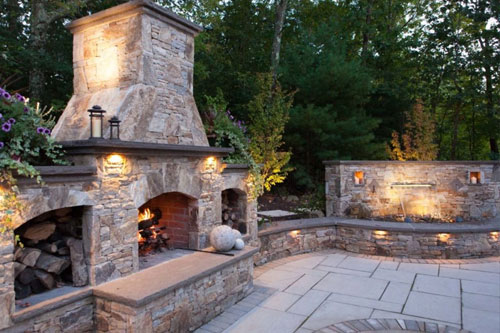
North Texas homes lean heavily toward gas, but plenty of us still love a real wood fire, and inserts sit somewhere in between. If you're deciding what to burn, or thinking about converting, the choice comes down to real trade-offs in cost, heat, convenience, and how much chimney maintenance you're signing up for. Here's an honest comparison of wood, gas logs, and inserts for the DFW climate, including the venting and chimney implications that a lot of buyers don't find out until later.
The Traditional Wood-Burning Fireplace
A wood fire is the real thing, the crackle, the smell, the radiant warmth, and independence from utilities during an outage. That's the upside. The trade-offs are effort and maintenance. Wood burning produces creosote, so the chimney needs regular sweeping to stay safe, and you're handling wood, ash, and cleanup. Open masonry fireplaces are also famously inefficient for heat, since much of the warm air goes up the flue. For a North Texas homeowner who burns for ambiance a handful of times each winter and doesn't mind the upkeep, wood is deeply satisfying, you just have to budget for an annual chimney sweep and inspection to keep it safe.
Gas Logs: Convenience First
Gas logs drop into an existing fireplace and give you flame at the flip of a switch, no wood, no ash, no creosote, and instant on-off. For the DFW homeowner who wants the look of a fire with essentially zero effort, gas logs are hard to beat on convenience. They come in two flavors: vented logs, which look more realistic but send most of their heat up the chimney and require the damper open, and vent-free logs, which produce more usable heat but have moisture and air-quality considerations and aren't permitted everywhere. Gas doesn't make creosote, but it isn't maintenance-free: the system and the flue still need periodic inspection, and gas produces moisture and acidic byproducts that can affect an unlined or oversized chimney over time.
Fireplace Inserts: Efficiency First
An insert is a closed combustion unit, wood or gas, that fits into an existing open fireplace and dramatically improves heat efficiency. Where an open fireplace can lose most of its heat up the flue, an insert is engineered to actually warm the room, which is why inserts are the choice for people who want the fireplace to be a real heat source, not just ambiance. The trade-off is a higher upfront cost and a more involved installation. Critically, an insert almost always requires a correctly sized liner running up the chimney to vent properly, which is a key part of doing the job right.
Comparing the Costs
Think of it as three tiers. Gas logs are typically the lowest upfront cost if you already have a fireplace and a gas line, with low ongoing effort but a gas bill when running. A traditional wood fireplace has little added equipment cost if you already have one, but carries ongoing costs in firewood and annual sweeping. An insert is the largest upfront investment, especially with the required liner and installation, but delivers the best heat efficiency and can lower heating costs if you use it as a real heat source. The right answer depends on how you actually intend to use the fireplace, ambiance a few nights a year points one direction, real supplemental heat points another.
What Each Means for Your Chimney
This is the part buyers most often overlook. Wood requires the most chimney maintenance, regular sweeping to control creosote plus annual inspection. Gas produces no creosote but still needs the venting inspected, and the moisture it creates makes a sound, correctly sized flue important. Any conversion, wood to gas, or adding an insert, commonly requires resizing or replacing the liner so the new appliance vents safely, which is why a chimney liner evaluation should be part of any change. Whatever you choose, the flue has to match the appliance, and that match is what keeps the system safe and efficient.
Which Is Right for a North Texas Home?
There's no universal winner: it depends on your priorities. Choose wood if you value the authentic experience and don't mind the upkeep. Choose gas logs if convenience and a clean, effortless flame matter most, which fits a lot of DFW households. Choose an insert if you want the fireplace to genuinely heat your home efficiently and you're willing to invest upfront. The one constant across all three is that the chimney and venting have to be right for what you burn, so an inspection is the smart first step before you buy or convert.
Plan Your Fireplace the Right Way in DFW
Before you convert fuel types, drop in an insert, or start burning in a fireplace you're unsure about, have the chimney and venting evaluated so the setup is safe and correctly sized. Lowes Chimney Sweep is certified, insured, and 5-star rated across the Dallas-Fort Worth metroplex. We'll assess your flue, tell you what a given option requires, and make sure whatever you choose vents safely. Call (214) 225-8874 to talk through the right fit for your home.
Honest Work at an Honest Number
Free online quotes · Photos before prices · HEPA dust control · Open 7 days
Call (214) 225-8874Get an Instant Estimate →📍 1008 Ridgefield Dr, Plano TX 75075 | 🕗 Open 7 days · 8AM-8PM
Thinking about converting or adding an insert? Our chimney inspection and liner pages explain what safe venting requires, or request your Free Online Quote below.
Quick Answers
Is gas or wood better for a North Texas fireplace?
It depends on your priorities. Wood gives the authentic experience but needs firewood handling and regular sweeping for creosote. Gas logs offer convenience with no creosote and instant on-off, which suits many DFW homes. Neither is universally better; match the choice to how you'll actually use the fireplace.
Do gas logs require chimney maintenance?
Yes, though less than wood. Gas doesn't produce creosote, but the system and flue still need periodic inspection, and gas creates moisture and acidic byproducts that can affect an unlined or oversized chimney over time. It's lower maintenance than wood, not no maintenance.
What is a fireplace insert and is it worth it?
An insert is a closed combustion unit that fits into an existing fireplace and greatly improves heat efficiency, warming the room instead of losing heat up the flue. It costs more upfront and usually needs a correctly sized liner, but it's worth it if you want the fireplace as a real heat source rather than just ambiance.
Do I need a new liner to convert to gas or add an insert?
Very often, yes. Converting fuel types or adding an insert commonly requires resizing or replacing the flue liner so the new appliance vents safely. A liner that's the wrong size won't vent correctly, so a liner evaluation should be part of any conversion or insert installation.
Which fireplace type is cheapest?
Gas logs are usually the lowest upfront cost if you already have a fireplace and gas line. A wood fireplace adds little equipment cost if you have one but carries firewood and sweeping costs. An insert is the biggest upfront investment but the most efficient, potentially lowering heating costs if used as a real heat source.
Where to go next
Ready for the service? → Chimney Inspection
Keep reading: → Do I Need a Chimney Liner?
Did you like this article?
Your feedback helps us write better chimney guides for DFW homeowners.
Found a typo or wording we should improve? Email us and tell us exactly what to fix.