
Lowes Chimney Sweep Blog
Chimney Flashing Repair in DFW: Costs and Warning Signs
By the Lowes Chimney Sweep crew · Plano, TX
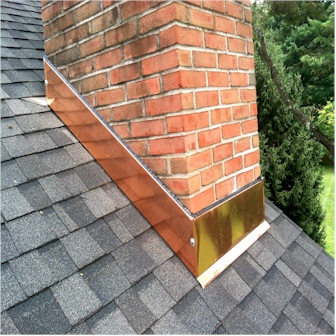
A chimney flashing repair in DFW typically costs $200 to $2,500 in 2026, a small accessible spot repair sits at the low end, while a complete re-flash on a steep or tall roof runs higher. If your chimney leaks, there's a good chance the flashing is the reason: it's the metal that seals the joint where your chimney passes through the roof, and because a lot of "repairs" are really just a smear of caulk, the same leak comes back again and again. Here's how to spot failing flashing, what a real repair costs in DFW, and why doing it right the first time saves money.
- Typical chimney flashing repair in DFW: $200 to $2,500
- Small accessible spot repair: low end; full re-flash on a steep/tall roof: higher
- Price depends on metal chosen, roof pitch and access, and any existing water damage
- Caulk is a short-term patch, not a fix, proper layered step and counter flashing sheds water by design
- Confirm the true leak source (crown, cap, or masonry) before re-flashing; final price after a look
What is chimney flashing and why does it fail?
Flashing is the layered metal, typically aluminum, galvanized steel, or copper, that bridges the gap where the chimney meets the roof. Done right, it's actually two coordinated layers: step flashing woven into the roofing along the sides, and counter flashing set into the chimney's mortar joints and lapped over the top, so water is always directed onto the layer below and never behind it. It fails for predictable reasons: the metal rusts or corrodes over years, storms and wind lift it, hail dents and loosens it, the roof and chimney shift against each other, or, very commonly, it was installed poorly with caulk instead of proper layered metal in the first place.
What are the warning signs your flashing is failing?
Flashing problems usually announce themselves as water where it shouldn't be. Watch for water stains on the ceiling or walls near the chimney, especially ones that grow after heavy rain. Look up at the flashing itself when you can: rust, lifting or curling edges, gaps, or visible cracked caulk are all clear signs. Inside the attic, dampness or daylight around the chimney penetration points straight at the flashing. Dampness in the firebox after a storm, or peeling paint and stains on the wall the chimney runs through, are secondary clues. Because flashing sits at the roofline, the leak it causes often shows up as an interior ceiling stain that homeowners mistake for a roof problem.
Why isn't caulk a real fix?
Here's the trap. Because flashing leaks are so common, the quick "fix" you'll often be offered, or try yourself, is a bead of roofing caulk or tar over the gap. It might hold for a season, but caulk is not flashing. It's a temporary sealant that dries out, cracks, and fails in the North Texas sun-and-storm cycle, and then the leak returns, often having done more hidden damage in the meantime. A genuine chimney flashing repair means installing or re-integrating proper layered metal, step and counter flashing correctly lapped, so the joint sheds water by design rather than by glue. Paying twice for caulk that fails costs more than doing it right once.
How much does flashing repair cost in DFW?
Flashing repair is moderately priced and depends on a few factors: whether it's a spot repair of a small section or a full re-flash of the whole chimney, the metal you choose, the roof pitch and height and how accessible the chimney is, and whether there's existing water damage that needs addressing first. A minor repair on accessible flashing is on the lower end; a complete re-flash on a steep, tall, or complex roof runs higher. Because every roof is different, we quote it after a look rather than guessing, but in every case the cost is small compared to the interior water damage that failing flashing causes if it's left to keep leaking.
Flashing Is Rarely the Only Culprit
When a chimney leaks, flashing is a prime suspect but not the only one, and a good repair starts by confirming the actual source rather than assuming. The crown, the cap, and porous masonry can all leak too, and sometimes more than one is involved. That's why flashing repair is best done as part of a proper chimney leak repair that identifies where the water truly enters, often with a camera or water test, so you fix the real problem and not just the most visible one. Re-flashing a joint that wasn't the leak just moves the water a few feet.
Why DFW Is Hard on Flashing
North Texas gives flashing a rough life. Intense sun bakes and cracks any caulk-based shortcut fast. Hail dents and loosens metal. High winds lift edges. Heavy, fast-moving storms test every seam, and the freeze-thaw swings and shifting clay soil that move the whole structure open gaps at the roofline over time. It all means flashing here needs to be done properly with real metal to last, and that a DFW chimney which was watertight for years can start leaking at the flashing after one rough storm season.
Stop the Leak at the Source in DFW
If you've got a stain near the chimney or you can see rusted, lifting flashing up top, the smart move is to fix it properly before the next storm adds to the damage. Lowes Chimney Sweep is certified, insured, and 5-star rated across Dallas-Fort Worth. We confirm where the water actually gets in, install proper layered flashing rather than a caulk patch, and show you photos of the work. Call (214) 225-8874 to stop a flashing leak for good.
Honest Work at an Honest Number
Free online quotes · Photos before prices · HEPA dust control · Open 7 days
Call (214) 225-8874Get an Instant Estimate →📍 1008 Ridgefield Dr, Plano TX 75075 | 🕗 Open 7 days · 8AM-8PM
Stain near the chimney? Our chimney flashing repair and leak repair pages show how we fix the joint the right way, or request your Free Online Quote below.
Quick Answers
How much does chimney flashing repair cost in DFW?
A chimney flashing repair in DFW typically costs $200 to $2,500 in 2026. A small accessible spot repair sits at the low end; a complete re-flash on a steep or tall roof is higher. Price depends on the metal chosen, roof pitch and access, and any existing water damage, it's quoted after a look, and small next to the water damage a leak causes.
What is chimney flashing and why does it leak?
Flashing is the layered metal that seals the joint where the chimney meets the roof. Because it's a seam between two materials, it's one of the most common leak points on a house. It fails when the metal rusts, storms and hail lift or dent it, the structure shifts, or it was installed with caulk instead of proper layered metal.
What are the signs my chimney flashing is failing?
Water stains on the ceiling or walls near the chimney that grow after rain, rust or lifting edges and cracked caulk on the flashing itself, dampness or daylight around the chimney in the attic, and dampness in the firebox after storms. The leak often shows as an interior stain people mistake for a roof problem.
Can I just caulk my chimney flashing to stop a leak?
Only as a very short-term patch. Caulk isn't flashing; it dries, cracks, and fails in the North Texas sun and storms, and the leak returns after doing more hidden damage. A real repair installs proper layered step and counter flashing so the joint sheds water by design, which costs less than repeatedly re-caulking.
Is flashing always the cause of a chimney leak?
It's a top suspect but not the only one. The crown, cap, and porous masonry can leak too, and sometimes several at once. A proper leak repair confirms the true entry point, often with a camera or water test, before fixing it, so you don't re-flash a joint that wasn't the source and leave the real leak open.
Where to go next
Ready for the service? → Chimney Flashing Repair
Keep reading: → Why Your Chimney Leaks When It Rains
Did you like this article?
Your feedback helps us write better chimney guides for DFW homeowners.
Found a typo or wording we should improve? Email us and tell us exactly what to fix.