Lowes Chimney Sweep Blog
How Soon Can You Use Your Fireplace After Chimney Masonry Repairs?
By the Lowes Chimney Sweep crew · Plano, TX
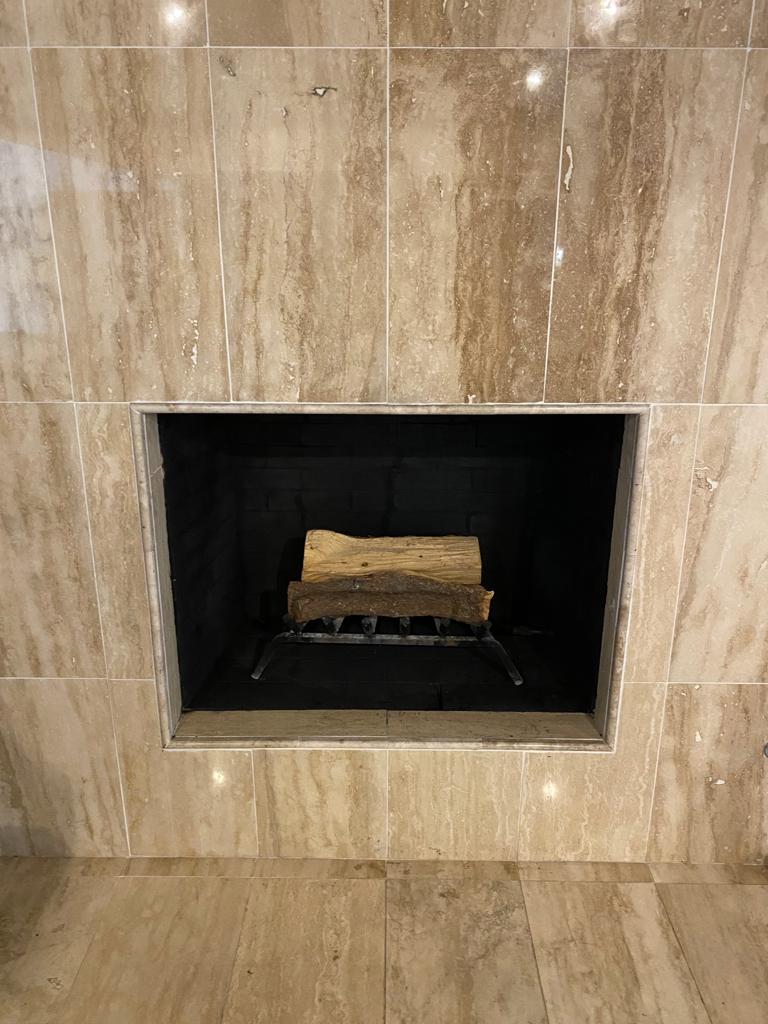
It depends on where the repair is: exterior tuckpointing usually does not restrict fireplace use at all, while repairs in the firebox, flue path, or crown need their full cure, plus a few gentle break-in fires, before normal burning. The number that counts is the one your technician gives you for the specific products used on your chimney. But the principles behind that number are worth understanding, because they explain why "when can I light a fire?" has such different answers for different repairs.
How Mortar Cures, and Why Heat Is the Enemy
Mortar does not dry; it cures. The cement in it reacts chemically with water over time, it stiffens in hours, reaches usable strength in days, and keeps gaining strength for roughly a month. That water is not a byproduct to be evaporated off; it is an ingredient the chemistry still needs.
That is exactly why rushing ruins a repair. Heating uncured mortar drives the water out faster than the reaction can use it, and the result is mortar that never reaches its designed strength, weak, powdery joints and hairline cracks in the work you just paid for. A single hot fire can do to fresh mortar what freeze-thaw weathering takes years to do.
Location decides whether any of this applies to you. Flames and flue gases never touch tuckpointed joints on the outside of the stack, so exterior repointing generally does not restrict fireplace use at all. Refractory mortar in the firebox, a firebox rebuild, smoke chamber work, and crown work sealing the top of an active flue all sit in or directly over the heat path, those need their full cure and a gentle introduction to heat.
What You Can Safely Check
Ask your technician for a specific wait time before they leave, and write it down, products vary, and refractory mortars carry their own cure and heat-up instructions. Check your invoice or job photos for where the work actually is: outside face only, or in the firebox and flue path. Over the following days, look at the fresh mortar itself, it should harden uniformly and resist a fingernail scratch as it cures. What you should not do is "test" the repair with a fire to see whether it is ready.
Signs a Repair Was Fired Too Soon
If fires have already been burned and you notice new hairline cracks in the fresh joints, mortar that stays pale and dusty instead of hardening, or joints that crumble under light pressure, stop using the fireplace and have the work looked at. Mortar that cured wrong does not heal, a hairline today becomes an open joint after a season of heating and cooling, and water follows every opening. Caught early, the fix is usually limited to the affected joints, which is a far smaller conversation than letting the damage spread.
How a Professional Times the First Fire
Good masonry work comes with a timeline, not a shrug. Our chimney masonry repair visits end with exactly that: what products were used, where they sit relative to the heat path, and the date your first fire is safe. For work in the firebox or flue path, that first fire is a break-in fire, two or three small fires of a few sticks of seasoned wood, with the masonry cooling completely between them, so remaining moisture leaves slowly instead of flashing into steam. And because chimney crown repair sits directly over the flue exit, crown work gets the same respect: full cure before the flue runs hot beneath it.
Honest Work at an Honest Number
Free online quotes · Photos before prices · HEPA dust control · Open 7 days
Call (214) 225-8874Get an Instant Estimate →📍 1008 Ridgefield Dr, Plano TX 75075 | 🕗 Open 7 days · 8AM-8PM
The DFW Factor
Here is the good news: in North Texas, cure time can cost you nothing. Most DFW fireplaces sit cold from March to November, so masonry repaired in the warm months has its full cure, and then some, before the first cold front arrives. Schedule tuckpointing, firebox, or crown work for spring or summer and the waiting period is a non-issue by first-fire season. Summer heat does mean fresh mortar can dry too fast at the surface, which is why crews damp-cure exterior work in a Texas July, one more reason your technician's product-specific instructions beat any general rule.
Just had masonry work done and itching to light a fire? Tell us what was repaired and when, call (214) 225-8874 and we will tell you exactly when your first fire is safe and how to break the repair in, or request a Free Online Quote if there is masonry work still on your list.
Quick Answers
Can I use my fireplace right after exterior tuckpointing?
Usually yes, flames and flue gases never touch the joints on the outside of the stack, so exterior repointing rarely restricts use. Confirm with your technician, since work near the crown or flue exit can be the exception.
What actually happens if I light a big fire too soon?
Heat drives water out of uncured mortar faster than the chemistry can use it, so the joints crack or stay weak and powdery, permanently. The affected joints usually have to be redone; more waiting cannot fix mortar that cured wrong.
Is there any harm in waiting longer than my technician recommended?
None at all, mortar only gains strength with time, and a break-in fire works just as well a month later. When in doubt, later is always the safe direction.
Where to go next
Ready for the service? → Chimney Masonry Repair
Keep reading: → First Fire of the Season Checklist
Did you like this article?
Your feedback helps us write better chimney guides for DFW homeowners.
Found a typo or wording we should improve? Email us and tell us exactly what to fix.