Lowes Chimney Sweep Blog
The Chimney Was Cleaned, So Why Is Smoke Still Coming Into the House?
By the Lowes Chimney Sweep crew · Plano, TX
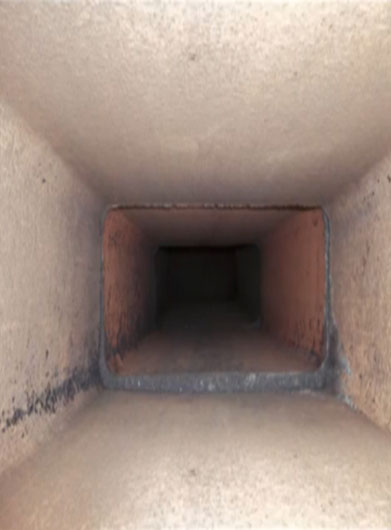
You did the responsible thing. You had the chimney cleaned, you lit a fire expecting a cozy evening, and instead smoke curled out of the fireplace and into your living room. It's frustrating and a little alarming, and your first thought is probably, "I just paid for this, why isn't it working?" Here's the reassuring part: you're not imagining it, and it's usually not that the cleaning was pointless. A chimney that still smokes after a sweep is almost always telling you that the real problem was never a dirty flue in the first place, it's how air is moving (or failing to move) through your chimney. Let's walk through what's actually happening, so you know exactly what to ask for and don't end up paying to "clean" it again.
Cleaning and Drafting Are Two Different Problems
This is the key thing most homeowners are never told. A chimney sweep removes soot and creosote so the flue is safe and clear. But smoke rolling into the room is a drafting problem, a question of whether your chimney can pull air upward strongly enough to carry smoke out. A perfectly clean flue can still draft poorly. So if a company swept your chimney and the smoking continued, it doesn't necessarily mean they did a bad job; it usually means the cleaning addressed the wrong thing, and the real cause was never diagnosed. Understanding that distinction is the first step to actually fixing it.
The Most Common Reasons a Clean Chimney Still Smokes
In DFW homes, a handful of causes account for almost all post-cleaning smoking, and they have nothing to do with soot:
Your house is winning the tug-of-war for air. Modern homes are sealed tight, and every exhaust fan, clothes dryer, and especially your HVAC system pulls air out of the house. That creates negative pressure indoors, and the easiest place for replacement air to sneak back in is down your chimney, dragging smoke with it. This is the single most common cause we see, and it's covered more below.
The smoke chamber is the wrong shape or was never cleaned. Just above the damper sits the smoke chamber, a funnel that's supposed to guide smoke smoothly into the flue. If it's rough, unparged, or was skipped during your "cleaning," it creates turbulence that stalls the smoke. Proper smoke chamber cleaning is one of the most commonly skipped steps in a cheap sweep.
A cold flue is acting like a plug. Cold, heavy air sits in the chimney and blocks the warm smoke from rising until the flue heats up. Common in tall exterior chimneys, especially on that first cold-snap fire.
Something is restricting the top. A crushed or clogged cap, a missing cap that let debris or an animal nest in above where the sweep reached, or a crown problem can all choke the draft.
The flue is the wrong size or height for the fireplace. If the flue is undersized or the chimney is too short, it simply can't move enough air, a construction issue no amount of cleaning will fix.
The DFW Culprit: Your Chimney Is Fighting Your Air Conditioner
This one deserves its own spotlight because it catches so many North Texas homeowners off guard. When your AC, a big kitchen vent hood, a bathroom fan, or the dryer runs, it sucks air out of a tightly sealed house. The house needs to pull replacement air from somewhere, and an open fireplace flue is a wide-open hole, so air (and smoke) gets pulled backward, down the chimney and into the room. You light a fire, the AC kicks on, and suddenly the room hazes over. If your smoking seems to come and go depending on what else is running in the house, this is almost certainly your issue, and it's a diagnosis a good technician makes in minutes, not something a broom fixes.
Why You Shouldn't Just Keep Burning Through It
It's tempting to crack a window and tough it out, but smoke in the room is more than a nuisance. Wood smoke carries carbon monoxide, colorless, odorless, and dangerous, and if your chimney can't vent properly, that gas is coming into your living space along with the visible smoke. The visible haze is the warning you can see; the CO is the part you can't. On top of the safety issue, smoke staining ruins paint, ceilings, and the fireplace face. A chimney that won't draft isn't a chimney you should keep forcing. It's worth getting the real cause identified before the next fire.
Why Guessing Costs You More Than an Honest Inspection
Here's the trap: because "it smokes" has several possible causes, throwing money at random fixes, another cleaning, a new damper, a gadget from the hardware store, usually leaves you frustrated and out of cash with the problem intact. The reliable path is to have someone actually look. A proper chimney inspection, often with a camera up the flue and a check of the smoke chamber, cap, and crown, pinpoints which of these causes is really at work in your chimney. One accurate diagnosis is worth more than three hopeful guesses, and it's the difference between fixing it once and paying repeatedly.
How We Actually Track It Down and Fix It
When we come out for a smoking-fireplace call, we don't start by selling you anything, we start by finding the cause. We inspect the flue, smoke chamber, damper, cap, and crown, and we test how the chimney drafts under real conditions, including with your HVAC running. Then we show you what we found, with photos of your own chimney, and explain your options in plain language. Depending on the cause, the fix might be a thorough smoke chamber cleaning and parging, a properly fitted chimney cap, a solution for the negative-pressure and downdraft issue through downdraft repair, or a correction to the damper or flue. You get an itemized recommendation and decide from evidence, never from pressure.
Why DFW Homeowners Call Lowes for This
Smoking fireplaces are exactly the kind of problem where a cheap sweep leaves you no better off and a real diagnosis solves it for good. Lowes Chimney Sweep is certified, insured, and 5-star rated across the Dallas-Fort Worth metroplex, we document what we find so you can see it for yourself, and we offer same-day and Sunday appointments because a fireplace you can't safely use shouldn't wait a week. If your chimney was "cleaned" and still fills the room with smoke, we'll tell you honestly why, and fix the cause, not just re-sweep a flue that was already clean. Call (214) 225-8874 and let's get your fireplace actually working.
Honest Work at an Honest Number
Free online quotes · Photos before prices · HEPA dust control · Open 7 days
Call (214) 225-8874Get an Instant Estimate →📍 1008 Ridgefield Dr, Plano TX 75075 | 🕗 Open 7 days · 8AM-8PM
Still getting smoke after a sweep? Our documented chimney inspection finds the real cause, and our smoke chamber and downdraft repair pages show how we fix it, or request your Free Online Quote below.
Quick Answers
I just had my chimney cleaned, why does it still smoke?
Because cleaning and drafting are different problems. A sweep clears soot and creosote, but smoke rolling into the room is a drafting issue, your chimney isn't pulling air upward strongly enough. Common causes are negative pressure from your HVAC and exhaust fans, a rough or skipped smoke chamber, a cold flue, a restricted cap, or an undersized flue. None are fixed by cleaning.
Why does my fireplace smoke more when the AC or a fan is running?
Because those appliances pull air out of a tightly sealed house, creating negative pressure, and your open flue is the easiest place for replacement air to rush back in, dragging smoke down with it. If the smoking tracks with what else is running in the house, negative pressure is almost certainly the cause, and it's very fixable.
Is smoke coming into the room dangerous or just annoying?
It's both. Wood smoke carries carbon monoxide, which is colorless and odorless, so if the chimney can't vent, that gas enters your living space along with the visible smoke. It also stains paint and ceilings. Don't keep burning through it, have the cause identified first.
Will another cleaning fix the smoking?
Usually not, if the flue was already cleaned. Paying to re-sweep a clean chimney leaves the real cause, a draft, smoke chamber, cap, or sizing issue, untouched. An inspection that pinpoints the actual cause saves you from repeated cleanings that don't solve anything.
How do you figure out why a chimney smokes?
We inspect the flue, smoke chamber, damper, cap, and crown, often with a camera, and test how the chimney drafts under real conditions including with the HVAC running. Then we show you photos of what we found and explain the fix in plain terms, with itemized pricing and no pressure.
Where to go next
Ready for the service? → Smoke Chamber Cleaning
Keep reading: → Black Stains Above the Fireplace Opening?
Did you like this article?
Your feedback helps us write better chimney guides for DFW homeowners.
Found a typo or wording we should improve? Email us and tell us exactly what to fix.