Lowes Chimney Sweep Blog
Can Loose Chimney Bricks Be Repaired Without Rebuilding the Entire Chimney?
By the Lowes Chimney Sweep crew · Plano, TX
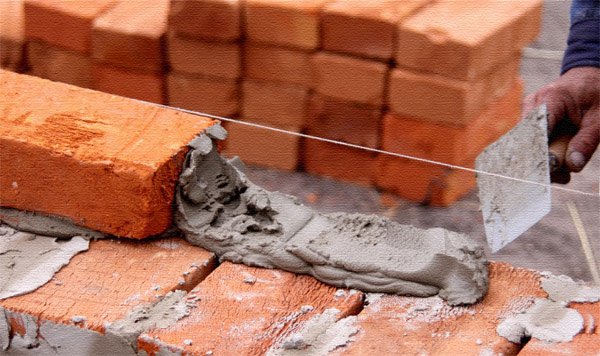
Yes, in most cases, loose chimney bricks can be repaired without rebuilding the chimney. Masonry repair works like a ladder: resetting individual bricks is the bottom rung, a full rebuild is the top, and most DFW chimneys we see land on the lower rungs. The real question is not repair versus rebuild, it is how far up the ladder your chimney actually is.
Why Bricks Come Loose Before the Chimney Fails
Mortar is designed to be the sacrificial part of the wall, softer than the brick, so that weather wears the joints instead of the masonry. Water soaks in, freeze-thaw cycles pry the joints apart, and eventually the mortar loses its grip while the bricks themselves are still sound. That is why a chimney can have rattling-loose bricks near the top and still be structurally healthy: the glue failed, not the wall.
The Repair Ladder, Bottom to Top
Resetting loose bricks. When the brick is sound and only its bed of mortar has failed, the brick comes out, the old mortar is cleaned off, and it is re-laid in fresh mortar. The smallest honest repair there is.
Replacing damaged bricks. A cracked or spalled brick is swapped for a matching one before the damage spreads to its neighbors. The wall keeps its face; the weak point is gone.
Repointing the surrounding joints. If the mortar around the loose zone is soft or crumbling, it is ground out to proper depth and repacked. Skip this step and you will be making the same call again in a few seasons.
A partial top-down rebuild. The top few courses live the hardest life, the most water, the most freeze-thaw, the most wind, so they are usually the first zone to fail wholesale. The chimney is dismantled down to sound masonry and rebuilt from there, leaving most of the stack untouched. This is the most common rebuild we actually perform.
A full rebuild. Reserved for damage that runs deep into the stack, brick degraded through the wall, joint failure on every face, or a footing that has moved. It is the top rung for a reason: most chimneys never get there.
Three things decide the rung: how many courses are affected, whether the water source behind the damage has been fixed, and the condition of what sits behind the face brick.
What You Can Safely Check
From the ground, binoculars or a phone zoom, never a ladder, map the loose zone. Is it the top two or three courses, or does it run farther down the stack? Are bricks merely loose in their joints, or visibly shifted out of line? Is the crown at the very top cracked or crumbling? Note where mortar chips or brick pieces are landing below. That picture tells a mason most of what the repair plan needs. What is not safe: climbing up to wiggle bricks, or smearing caulk or surface mortar over failing joints, cosmetic patches trap water and make the real repair bigger.
When to Stop Using the Fireplace, and Keep Clear Below
Loose bricks near the top of a chimney are a falling hazard, and they do not announce their schedule. If the loose zone sits above a walkway, driveway, patio, or play area, keep people and cars out of that drop zone until the repair is done, a brick falling from roof height is an injury question, not a maintenance one. And if bricks have visibly shifted or gaps have opened in the stack, stop using the fireplace until it is inspected: displaced masonry can open paths for heat and flue gases to exit somewhere other than the top of the chimney.
How a Professional Decides, and Repairs It
The assessment comes before the trowel. A mason probes the joints to see how deep the failure goes, counts how many courses actually move, and checks the condition behind the face brick, a wall that looks tired on the surface can be solid an inch in, and occasionally the reverse. Just as important, the water source that caused the failure, a cracked crown, a missing cap, failed flashing, gets fixed, or the new mortar simply inherits the old mortar's fate. Our chimney masonry repair visits handle resetting, replacement, and repointing in one trip, and when the upper courses are past saving we scope a partial chimney rebuild down to sound brick, with photos before and after, so you can see exactly where the repair stopped and why.
Honest Work at an Honest Number
Free online quotes · Photos before prices · HEPA dust control · Open 7 days
Call (214) 225-8874Get an Instant Estimate →📍 1008 Ridgefield Dr, Plano TX 75075 | 🕗 Open 7 days · 8AM-8PM
The DFW Factor
North Texas is hard on the top of a chimney in two specific ways. Our winters hover around the freeze line, so water in the joints freezes and thaws over and over in a single season, that cycling, not deep cold, is what pries mortar apart. And our expansive clay soil moves with the wet-dry cycle, which is the one cause on this list that can push a chimney toward the top rung: when a footing shifts, the cracking starts low and structural rather than high and cosmetic. It is why we look at the base of a DFW chimney even when the complaint is at the top.
Found loose bricks and bracing for the word "rebuild"? Request a Free Online Quote or call (214) 225-8874, we will tell you which rung of the repair ladder your chimney is actually on, and it is usually lower than you fear.
Quick Answers
How do I know if my chimney needs a full rebuild instead of a repair?
Depth and spread are the tell: damage confined to the top few courses or the outer joint faces is repairable, while brick degraded through the wall, failure on every face, or cracking that starts at the base points toward a rebuild. An on-site probe of the joints settles it, it is not a judgment call made from the curb.
Is repairing loose bricks a lot less expensive than rebuilding?
Yes, resetting, replacement, and repointing are all a fraction of rebuild work, and even a partial top-down rebuild is far less involved than taking down the whole stack. That is exactly why catching the problem on a lower rung of the ladder matters.
Can I just mortar the loose bricks back in myself?
Smearing new mortar over old joints fails quickly and traps water behind the patch. A lasting reset needs the failed mortar fully removed, a compatible mortar mix, and, most importantly, the water source fixed, or the repair simply repeats itself.
Where to go next
Ready for the service? → Chimney Masonry Repair
Keep reading: → Are Your Bricks Spalling?
Did you like this article?
Your feedback helps us write better chimney guides for DFW homeowners.
Found a typo or wording we should improve? Email us and tell us exactly what to fix.