Lowes Chimney Sweep Blog
Can a Cracked Refractory Fireplace Panel Be Repaired, or Must It Be Replaced?
By the Lowes Chimney Sweep crew · Plano, TX
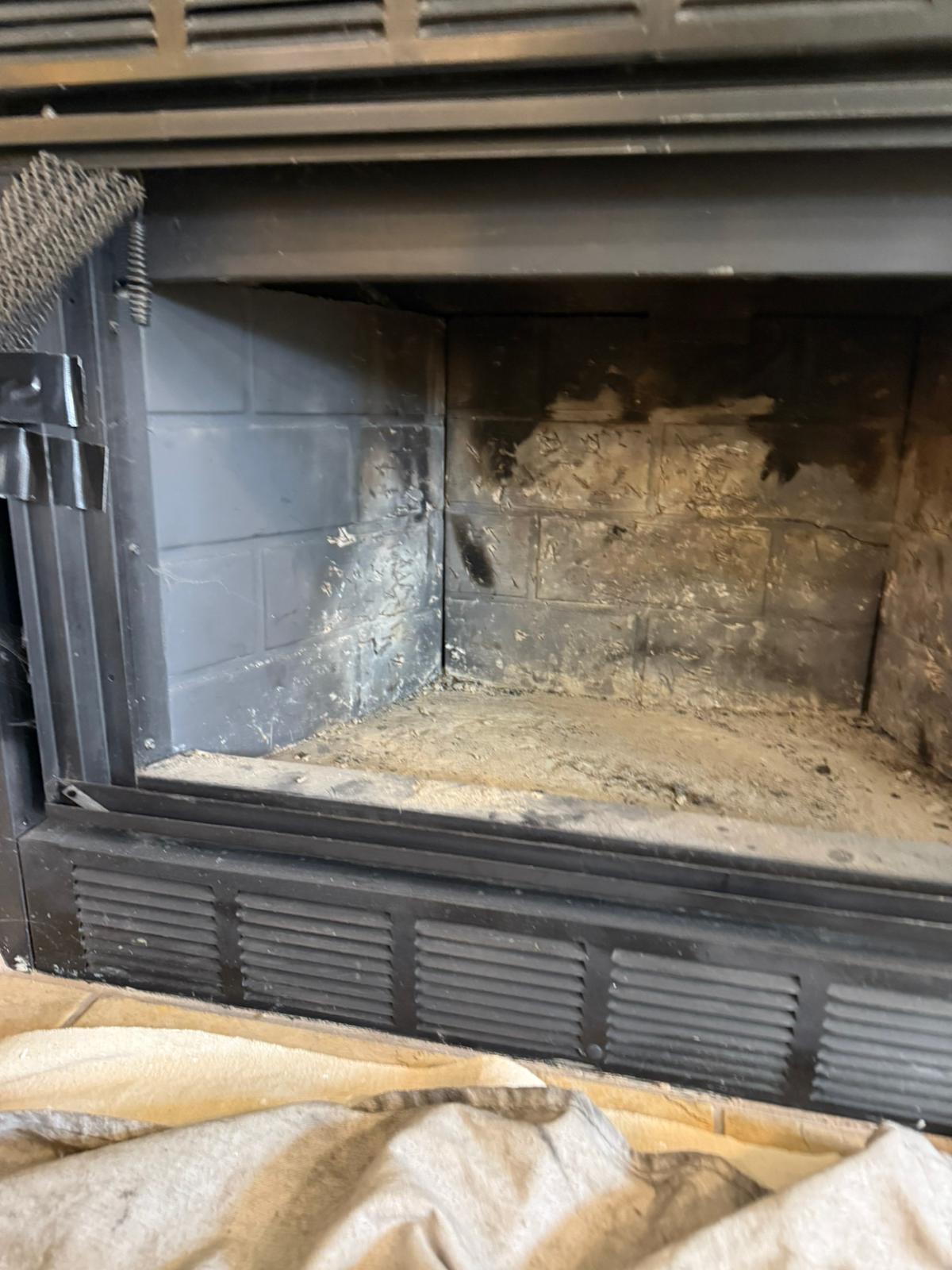
Fine, shallow spider-web cracks in a refractory panel are normal wear and usually fine to monitor. A crack you can fit a coin edge into, a crack that goes through the panel, or any crumbling means the panel must be replaced, refractory panels are not patched. That is the industry's gap rule, and it exists because the panel is what stands between your fire and the metal-and-wood structure behind it.
What Refractory Panels Do
If you have a prefabricated (factory-built) fireplace, most DFW homes built since the 1980s do, the gray, brick-patterned walls inside the firebox are refractory panels. They absorb and reflect the fire's heat so the metal shell behind them, and the framing behind that, never see full flame temperatures. When a panel opens up, heat gets a path to places it was never supposed to reach.
The Repair-or-Replace Line
Monitor: hairline surface crazing, thin, shallow lines that do not catch a fingernail. This is normal thermal aging.
Replace: any crack wide enough to insert a nickel's edge (about 1/16 inch), any crack that passes through the panel's full thickness, panels that flex or move when pressed, and any surface that is pitting or shedding material. "Repairing" these with stove cement is a cosmetic patch over a structural failure, the crack reopens with the next few fires, which is why manufacturers call for replacement, not filler.
What You Can Safely Check
With the fireplace cold, shine a light across each panel at an angle, raking light makes cracks obvious. Try the coin test on anything you find. Press gently on the panel centers to feel for movement. Check the floor panel especially: it takes the most abuse and cracks first. Take photos of anything questionable; they are exactly what a technician wants to see.
When to Stop Using the Fireplace
Stop burning immediately if a crack passes the coin test, if a panel has visible gaps at its seams, or if any panel has shifted or crumbled. A compromised panel is not a wait-until-next-season item, overheated framing behind a firebox is one of the quiet ways house fires start.
How Professional Replacement Works
Panels are model-specific. A technician identifies your fireplace make and model, measures the panels, and either orders factory panels or cuts universal refractory panels to exact size. The old panels come out, seams are sealed with the correct high-temperature material, and the new set is fitted so panels support each other correctly, floor panel first, then the sides and back in the sequence the firebox was designed for. Done right, it is typically a single visit once panels are in hand, and your firebox panel replacement should come with photos of the finished set and the seams.
Honest Work at an Honest Number
Free online quotes · Photos before prices · HEPA dust control · Open 7 days
Call (214) 225-8874Get an Instant Estimate →📍 1008 Ridgefield Dr, Plano TX 75075 | 🕗 Open 7 days · 8AM-8PM
The DFW Factor
The metroplex is full of production-built homes with prefab fireplaces now 20 to 40 years old, right at the age where original panels finish their service life. We stock and cut panels for the common units found across Dallas, Plano, Frisco, Fort Worth and the surrounding cities, so replacement usually does not wait on slow factory orders.
Found a crack in your firebox panel and not sure which side of the line it falls on? Send Lowes Chimney Sweep a photo of the panel or request a Free Online Quote, or call (214) 225-8874. We will tell you honestly whether it is monitor, repair, or replace, before any work is recommended.
Quick Answers
Can I just fill the crack with refractory cement?
Surface crazing does not need it, and structural cracks reopen through filler within a handful of fires. Cement patching is acceptable only as a very short-term cosmetic measure on minor cracks, it does not restore a panel that fails the coin test.
Do I have to replace all the panels or just the cracked one?
If one panel failed from age, its neighbors are usually close behind, and mixing one new panel into an old set can leave uneven gaps at the seams. We assess the whole set and quote both options so you can decide with real information.
How do I know if my fireplace uses refractory panels at all?
Masonry fireplaces (real brick, built on site) do not, they have firebrick. If your firebox walls are large molded panels with a repeating brick pattern and visible seams in the corners, it is a prefab unit with refractory panels.
Where to go next
Ready for the service? → Firebox Panel Replacement
Keep reading: → One Panel or the Entire Set?
Did you like this article?
Your feedback helps us write better chimney guides for DFW homeowners.
Found a typo or wording we should improve? Email us and tell us exactly what to fix.