
Lowes Chimney Sweep Blog
Why Does Gas Fireplace Glass Keep Turning Black?
By the Lowes Chimney Sweep crew · Plano, TX
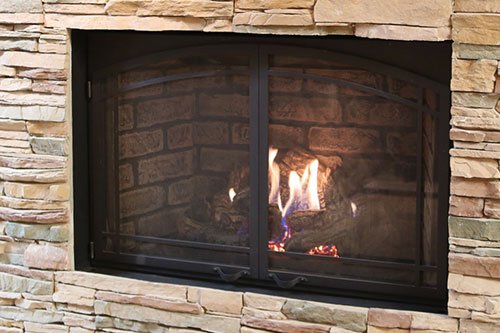
You clean the glass on your gas fireplace, and within a few uses it's black and sooty again. It's frustrating, and it feels like a losing battle. But here's what most homeowners don't realize: a gas fireplace that's burning correctly shouldn't soot up the glass at all. That black film isn't normal wear, it's carbon, and it means your fireplace is burning incompletely. The soot is telling you something in the combustion is off, and while it's usually a straightforward fix, it's worth understanding because incomplete combustion can also mean the fireplace is producing more of what you can't see: carbon monoxide. Here's what causes the blackening and how it gets corrected for good.
Black Glass Means Incomplete Combustion
When gas burns cleanly and completely, it produces almost no soot, that's the whole point of a gas appliance. So when black carbon keeps building on the glass, it means the flame isn't getting the right mix of gas and air to burn fully. Instead of clean combustion, you're getting partial combustion that throws off soot (unburned carbon) that lands on the nearest cool surface, the glass. Cleaning the glass over and over treats the symptom; the black keeps coming back because the underlying combustion problem is still there. The real question isn't "how do I keep the glass clean", it's "why is my fireplace burning dirty."
The Usual Causes
A handful of things throw off gas fireplace combustion and blacken the glass:
Logs out of position. This is the most common and most overlooked cause. Gas logs are engineered to sit in specific spots so the flames flow around them. If a log has shifted, bumped during cleaning, or never placed right, the flame impinges directly on it, cools, and soots. Correct log placement alone often solves the problem.
A dirty burner or ports. Dust, debris, or spider webs (surprisingly common) clog the burner ports and disrupt the flame, causing incomplete combustion. Gas fireplaces need periodic cleaning and service.
An air-to-gas imbalance. If the air shutter or gas pressure is off, the flame runs too rich (too much gas, not enough air) and soots. This needs proper adjustment.
Venting or airflow problems that starve the flame of the air it needs to burn cleanly.
Why This Is More Than Cosmetic
It's tempting to treat sooty glass as just an appearance issue, but incomplete combustion is worth taking seriously for two reasons. First, the same incomplete burn that produces visible soot can also produce carbon monoxide, the odorless, colorless gas, so a fireplace that's sooting is a fireplace worth checking for safe operation, and it's a good reminder to make sure your CO detectors work. Second, soot buildup coats the logs and burner over time, making the problem worse and reducing the fireplace's efficiency and appearance. The black glass is a visible signal of a combustion issue that's better corrected than repeatedly wiped away.
Why It Keeps Coming Back After You Clean It
Here's the pattern that frustrates homeowners: you clean the glass, it looks great, and within a few fires it's black again. That's the clearest sign the cause is combustion, not the glass. As long as the flame is burning incompletely, because of a misplaced log, a dirty burner, or an air-gas imbalance, it will keep depositing soot no matter how often you clean. The only way to actually stop the blackening is to fix why the fireplace is burning dirty. Once the combustion is corrected, the glass stays clean on its own, because a properly burning gas fireplace simply doesn't produce that soot.
How We Fix It
When we service a gas fireplace that's blackening the glass, we go after the cause. We check and correct the log placement to the manufacturer's layout, clean the burner and ports, inspect and adjust the air-to-gas mixture, and confirm the fireplace is getting proper airflow and venting. Then we test it to make sure it's burning cleanly. A professional gas fireplace service or thorough fireplace cleaning gets your fireplace burning the way it should, clean flame, clear glass, and we'll confirm it's operating safely while we're at it. You get a fireplace that looks right and burns right, not a temporary wipe-down.
Why DFW Homeowners Call Lowes
Sooty gas fireplace glass is one of those problems that's easy to keep cleaning and hard to actually stop, unless someone corrects the combustion. Lowes Chimney Sweep is certified, insured, and 5-star rated across the Dallas-Fort Worth metroplex, we fix the cause and confirm safe operation, and we offer same-day and Sunday appointments. If your gas fireplace glass keeps turning black no matter how often you clean it, call (214) 225-8874 and we'll get it burning clean.
Honest Work at an Honest Number
Free online quotes · Photos before prices · HEPA dust control · Open 7 days
Call (214) 225-8874Get an Instant Estimate →📍 1008 Ridgefield Dr, Plano TX 75075 | 🕗 Open 7 days · 8AM-8PM
Glass black again already? Our gas fireplace service and fireplace cleaning fix the combustion so it stays clean, or request your Free Online Quote below.
Quick Answers
Why does my gas fireplace glass keep turning black?
Because the fireplace is burning incompletely. A properly burning gas fireplace produces almost no soot, so black carbon on the glass means the flame isn't getting the right gas-to-air mix. The most common cause is a gas log out of position, followed by a dirty burner or an air-gas imbalance. Cleaning the glass won't stop it.
Is a gas fireplace sooting the glass dangerous?
It's worth taking seriously. The same incomplete combustion that produces visible soot can also produce carbon monoxide, which is odorless, so a sooting fireplace should be checked for safe operation, and it's a good reminder to make sure your CO detectors work. It's better corrected than repeatedly wiped away.
Why does the black come back so fast after I clean it?
Because the cause is the combustion, not the glass. As long as the flame is burning incompletely, from a misplaced log, dirty burner, or air-gas imbalance, it keeps depositing soot no matter how often you clean. The only way to stop it is to fix why the fireplace is burning dirty; then the glass stays clean on its own.
Can moving the gas logs really fix black glass?
Often, yes. Gas logs are engineered to sit in specific positions so the flames flow around them. A log bumped out of place, during cleaning, for example, makes the flame hit it directly, cool, and soot. Returning the logs to the manufacturer's exact layout is a common fix, but it should be done correctly.
How do you stop a gas fireplace from blackening the glass?
We correct the log placement to the manufacturer's layout, clean the burner and ports, inspect and adjust the air-to-gas mixture, and confirm proper airflow and venting, then test that it burns cleanly. Fixing the combustion is what keeps the glass clear, a properly burning gas fireplace simply doesn't produce that soot.
Where to go next
Ready for the service? → Gas Fireplace Repair
Keep reading: → Gas Fireplace Starts Then Shuts Off?
Did you like this article?
Your feedback helps us write better chimney guides for DFW homeowners.
Found a typo or wording we should improve? Email us and tell us exactly what to fix.