
Lowes Chimney Sweep Blog
What Chimney Problems Should You Fix Before Selling Your Home?
By the Lowes Chimney Sweep crew · Plano, TX
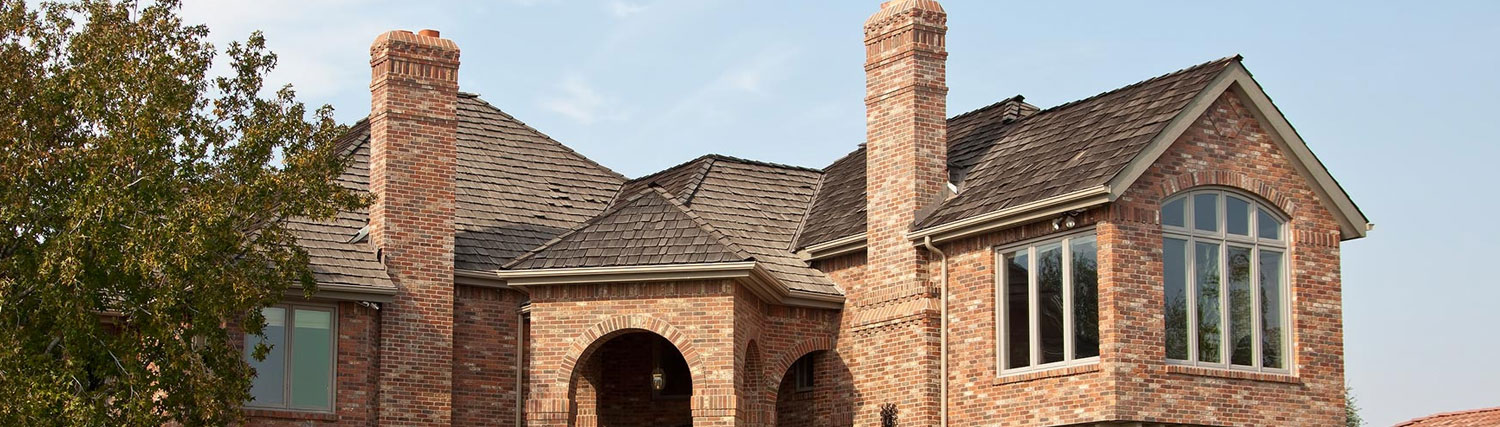
Fix the small, visible items before you list, a chimney sweep and clean firebox, a missing or rusted cap, a cracked crown seal, spot tuckpointing on the visible stack, and obvious flashing problems, and disclose and price the big-ticket items, like a liner replacement or major rebuild, instead of hiding them. The dividing line is simple: the first list is modest to repair and certain to be photographed by the buyer's inspector; the second is too expensive to fix on speculation and too easy to find to conceal.
Why the Chimney Is in Every Buyer's Report
The chimney is one of the few systems a buyer's inspector examines from three angles: the street, the roof, and the living room. General inspectors are trained to flag chimney issues conservatively and recommend a specialist follow-up, so even minor items become line items, and every line item becomes a negotiation lever during the option period, when the buyer picks the contractor and the number. Repairs made before listing happen at your price and on your schedule; repairs negotiated in the option period happen at the buyer's.
Fix Before Listing: Modest Cost, Big Return
A sweep and a clean firebox. A sooty firebox photographs badly and hints at neglect. A freshly swept fireplace reads as a maintained home, and it is the least expensive item on this list.
A missing or rusted chimney cap. The cap is the most photographed part of the chimney and the easiest flag an inspector will ever write. Replacing it removes the "open flue, water and animal entry" paragraph from the report before it is written.
A cracked crown seal. Crown cracks sit near the top of every checklist because they let water into the masonry. Sealing a sound crown is routine work with an outsized effect on the roof-level photos.
Spot tuckpointing on the visible stack. Crumbling mortar joints above the roofline are visible from the curb. Repointing the worst joints tightens the stack visually and structurally.
Obvious flashing issues. Lifted, rusted, or tar-patched flashing puts the word "leak" in the report, a word that makes buyers nervous about far more than the chimney.
Disclose and Price Instead: The Big-Ticket List
A flue liner replacement or a major rebuild belongs to a different strategy. They rarely pay back on speculation and are nearly impossible to hide: a buyer's Level 2 inspection runs a camera down the flue and photographs exactly what is there. The stronger position is to know the condition precisely, get a written repair bid, and bring both to the table: disclosed, priced, and framed on your terms. Texas sellers complete a disclosure notice about the property's known condition; a pre-listing inspection means you disclose documented facts rather than guesses, which also protects you after closing.
What You Can Safely Check
From the ground, zoom in with your phone. Is there a cap, and is it streaking rust down the crown? Does the crown show visible cracks? Are mortar joints crumbling or brick faces flaking? Does the flashing lie flat, or is it lifted and patched with tar? Inside, open the damper and look: daylight where there should be none, falling debris, or a damper that will not move are all worth noting. Build your list with a camera, not a ladder, the goal is knowing what an inspector will see, not doing roof work yourself.
What You Must Not Paper Over
Safety items are not staging decisions. A damaged flue, evidence of a past chimney fire, or missing liner sections will surface in the buyer's Level 2 inspection anyway, the only question is whether you learn about them from your own inspector, calmly, or from the buyer's, mid-negotiation. And do not paint the inside of the firebox. To an inspector, fresh firebox paint reads as concealment, not staging, and it invites hard scrutiny of everything else. If something serious exists, the winning move is knowing exactly what it is before anyone else does.
How a Professional Pre-Listing Visit Works
A pre-listing chimney inspection documents the system's real condition, camera footage of the flue, photos of the crown, cap, flashing, and firebox, so you see the buyer's report before the buyer does. From that list, our chimney repair crew handles the fix-first items, usually in a single visit, and gives you written pricing on anything you choose to disclose instead. You go to market with paperwork in hand: a swept, inspected chimney with dated photos is a selling point, not a liability waiting in the option period.
Honest Work at an Honest Number
Free online quotes · Photos before prices · HEPA dust control · Open 7 days
Call (214) 225-8874Get an Instant Estimate →📍 1008 Ridgefield Dr, Plano TX 75075 | 🕗 Open 7 days · 8AM-8PM
The DFW Factor
DFW sits on expansive clay soil, and chimneys, tall, heavy, and attached to a moving foundation, show that movement first. Local inspectors and buyers' agents know it, which is why chimney cracks and separation gaps get extra attention here. Add short Texas option periods and buyers comparing several homes in a weekend, and an unexplained chimney flag can stall a contract fast. A dated inspection report answers the question before it is asked, and the seller holding the answer keeps control of the negotiation.
Getting a home ready to list and not sure which chimney items are worth fixing first? Request a Free Online Quote for a pre-listing inspection, or call (214) 225-8874. We will give you the fix-first list, the disclose list, and the photos to back up both.
Quick Answers
Should I fix my chimney before selling or just lower the price?
Fix the small, visible items, a sweep, a cap, a crown seal, spot tuckpointing, because they cost little and change how the whole report reads. Big-ticket items like a liner replacement are usually better disclosed and priced into the negotiation with a written bid attached.
How much does it cost to get a chimney ready to sell?
The fix-first list is deliberately the inexpensive one, a sweep, a cap, a crown seal, and spot tuckpointing are all routine, modest repairs. The pre-listing inspection tells you whether anything larger exists before you commit to any of it.
Will painting the inside of my firebox help the listing photos?
No, inspectors treat fresh firebox paint as a concealment flag, and it draws harder scrutiny to the whole system. A swept, clean, unpainted firebox photographs well and reads as honest maintenance.
Where to go next
Ready for the service? → Chimney Inspection
Keep reading: → Who Inspects Before You Buy?
Did you like this article?
Your feedback helps us write better chimney guides for DFW homeowners.
Found a typo or wording we should improve? Email us and tell us exactly what to fix.