● Pricing reviewed & current for October 2026
A fireplace that pushes smoke into your living room has a specific cause, and it is almost never the one people guess. Our trained technicians work through the whole system, damper, flue, smoke chamber, cap, and draft, to find the actual reason and fix it.
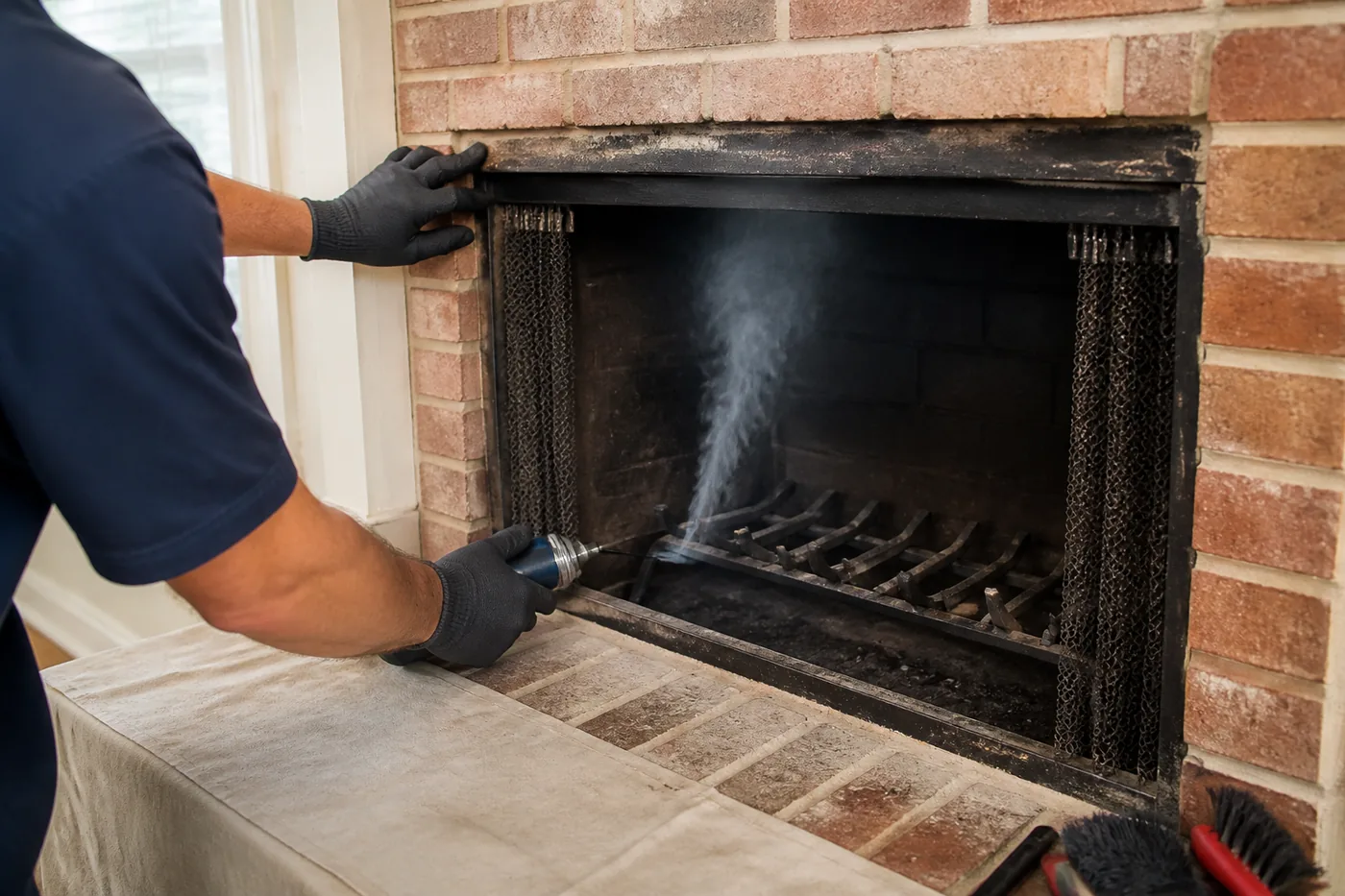
A smoking fireplace repair in Dallas-Fort Worth costs $299 to $900 in 2026, once we find out why it smokes.
Smoke coming into the room is a symptom, not a diagnosis. There are at least seven common causes, and they call for completely different fixes. That's why homeowners often spend money on the wrong one first, a new cap when the damper was the problem, or a sweep when the chamber was never parged.
The honest reality: the fix might be free. Sometimes a fireplace smokes because the flue is cold and needs priming, or because a tightly sealed modern home has no makeup air. Other times it's a genuine defect, a blockage, a warped damper, or a flue that was never sized correctly for the firebox. We tell you which you have.
Our job on this call is diagnosis first. We work through the system in order, then explain what's actually causing it and what it takes to correct. If it turns out to be something you can manage yourself, we'll say so.
Fireplace smoking right now? Call (214) 225-8874, don't keep burning it.
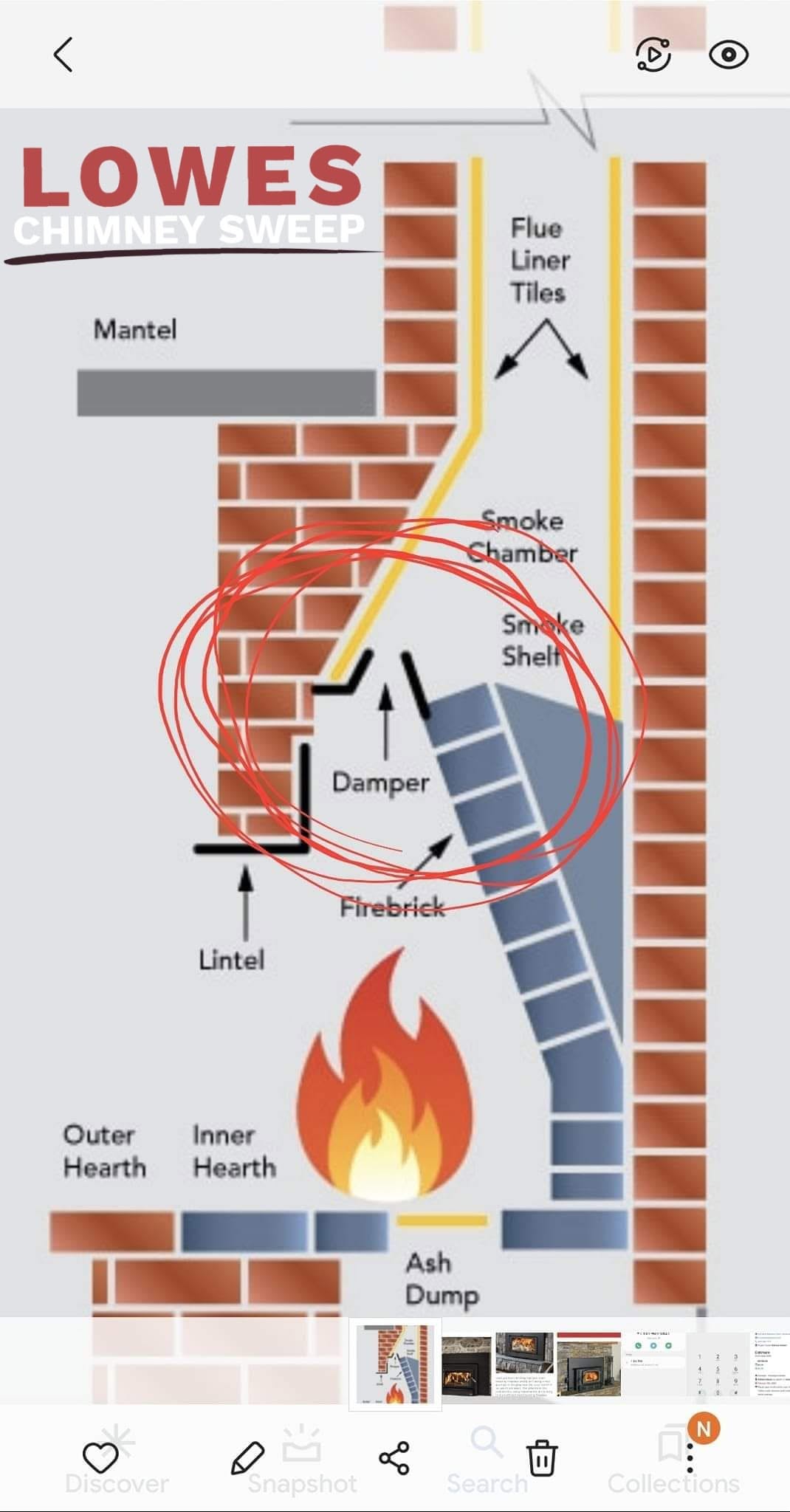
We check these in order, because the cheap and common causes should be ruled out before anyone quotes structural work:
Here's the full differential, and where each one leads:
Smoke in the room means combustion gases are not leaving properly, and those gases include carbon monoxide. That is worth a FAST-scheduling call, (214) 225-8874.
Diagnosis is the whole job here. Anyone can sell you a sweep, but if the flue is undersized or your range hood is winning the draft battle, sweeping changes nothing. Here's the order we work in:
When it smokes, how long it has done it, and what changed. This alone narrows the cause considerably.
We confirm the damper opens fully, not just that the handle moves, since partial opening is the most common culprit.
We inspect the full flue for creosote, nests, and debris that restrict the opening.
We examine the chamber shape and surface, since rough or corbeled walls restrict draft.
We look at the cap and flue top for damage, blockage, or a screen packed with debris.
We test actual draft and check for negative pressure from exhaust fans, a cause no amount of chimney work will fix.
You get the diagnosis in plain language with photos, the recommended correction, and an honest note if the fix costs nothing.
Get it diagnosed before you burn again, FAST scheduling across DFW, 7 days a week.
(214) 225-8874The questions we hear most when someone's fireplace is smoking:
Yes, and this is the one we don't soften. Smoke entering the room means combustion gases aren't venting, and those gases include carbon monoxide, which you cannot see or smell. Stop burning until the cause is identified.
It depends entirely on the cause, which is why we diagnose before quoting. Some causes cost nothing to correct, others need a sweep, a damper repair, or chamber work. You get the real number once we know what's wrong. Request your Free Online Quote.
Usually it points to draft or pressure rather than a blockage, which is genuinely useful diagnostic information. Intermittent smoking often traces to cold flues, wind direction, or an exhaust fan running. It's still worth diagnosing.
Sometimes, when a blockage is the cause. But sweeping a chimney whose real problem is a warped damper or an undersized flue accomplishes nothing, which is why we check first rather than defaulting to the sweep.
Usually yes. A fireplace that has smoked since day one typically has a build defect, an undersized flue or an unparged chamber, and both are correctable. Get it looked at here.
A smoking fireplace is the easiest call to upsell, because the homeowner already knows something is wrong. We work the diagnostic order instead and tell you the cheapest cause that fits the evidence.
Some causes cost nothing: priming a cold flue before lighting, cracking a window when the range hood runs, or burning properly seasoned wood. If that's your answer, that's what we'll say.
Modern DFW homes are sealed tightly enough that exhaust fans can overpower a chimney's draft. It's a cause most chimney companies never test for, and no amount of chimney work will fix it.
If we diagnose a cause, perform the correction, and the fireplace still smokes for that reason, we come back and make it right at no charge.
Blocked flues cleared, warped dampers replaced, rough chambers parged smooth, browse real before-and-after photos from chimney projects across Dallas Fort Worth.
View the Before & After GalleryBeyond the obvious nuisance, a fireplace that doesn't vent properly creates problems that compound:
Not sure where to start? A chimney inspection identifies the cause and what it takes to correct it.
From our home base in Plano, our diagnostic crews cover 98 cities throughout the DFW metroplex, including:
+ 78 more DFW cities! See our full service area list, or call (214) 225-8874, chances are we serve your neighborhood.
"Very pleased with the professionalism and promptness of service. The chimney sweep was done quickly and efficiently at significantly less cost than the first quote I got from another company. Happy to recommend Lowes Chimney Sweep to anyone in Plano!"
"Outstanding chimney sweep service from start to finish. They were punctual, courteous, and left our chimney spotless with no mess in our home. I won't use anyone else for chimney services in Dallas TX!"
More reviews from homeowners across the metroplex are on our reviews section, or learn more about our team before you book.
The most common causes are a damper not fully opening, a blocked flue, a rough smoke chamber, a damaged cap, a flue sized wrong for the firebox, negative pressure in the house, or a cold flue. Each needs a different fix, which is why we diagnose before quoting.
Yes. Smoke entering the room means combustion gases are not venting properly, and those gases include carbon monoxide, which is odorless and colorless. Stop burning until the cause has been identified.
Intermittent smoking usually points to draft or pressure rather than a blockage. Cold flues, wind direction, and exhaust fans running elsewhere in the house are typical causes. It is still worth diagnosing.
Only if a blockage is the cause. Sweeping a chimney whose real problem is a warped damper or an undersized flue will not change anything, which is why we check the whole system first.
Modern homes are sealed tightly. When a range hood, dryer, or bath fan runs, it can pull harder than the chimney draws, reversing airflow and pulling smoke into the room. Cracking a window while burning often confirms it immediately.
Usually a cold flue. The column of cold air in the chimney has to be displaced before smoke will rise, especially on exterior chimneys during a North Texas cold snap. Priming the flue before lighting generally solves it.
Usually yes. A fireplace that has always smoked typically has a build defect such as an undersized flue or an unparged smoke chamber. Both are correctable.
It depends on the cause. Some corrections cost nothing, others require a sweep, damper repair, or chamber work. We diagnose first so the quote reflects the actual problem. Request your Free Online Quote.
It contributes. Unseasoned or wet wood burns cooler and produces more smoke, which a marginal draft cannot clear. It rarely explains smoking on its own, but it makes every other cause worse.
Usually same or next day, and smoking fireplaces get priority because of the carbon monoxide risk. We cover all 98 DFW cities seven days a week. Call (214) 225-8874.
Because a smoking fireplace can come from several places in the system, the fix lives on whichever page matches your cause:
Related reading: creosote stages explained, what a chimney inspection includes, and warning signs your chimney needs repair. You can also browse the before-and-after gallery, see every DFW city we serve, or request your Free Online Quote.
Free online quotes · FAST scheduling service · We work Sundays · 5-star rated across DFW
(214) 225-8874📍 1008 Ridgefield Dr, Plano TX 75075 | 🕗 Open 7 days · 8AM-8PM
A fireplace works because hot gas rises and pulls fresh air in behind it. Anything that weakens that column, a restriction, a cold flue, or competing suction elsewhere in the house, lets smoke find the easier path into your room.
A handle that moves is not the same as a damper that opens. Rust, creosote, and bent linkage regularly leave a damper half shut while the control feels normal, and it is the first thing we verify.
Flue area has to be large enough relative to the fireplace opening. When a builder got that wrong, the fireplace has smoked since the day it was finished, and no amount of cleaning will change it. A correctly sized liner usually will.
Tighter construction means less incidental air leakage. Run a range hood in a well-sealed home and it can out-pull the chimney, reversing the draft entirely. It is a house problem, not a chimney problem, and worth knowing before you spend.
Exterior chimneys hold a column of cold air that acts like a plug. Warming the flue before lighting, and burning dry seasoned wood, resolves a surprising share of the smoking calls we take each winter.
Checking damper, blockage, chamber, cap, sizing, and pressure in sequence means we find the cheapest explanation that fits before recommending anything structural. Skipping that order is how homeowners end up paying for the wrong repair.
Straight answers from our DFW chimney pros before you book.