Lowes Chimney Sweep Blog
Why Does My Fireplace Smoke Only on Windy Days?
By the Lowes Chimney Sweep crew · Plano, TX
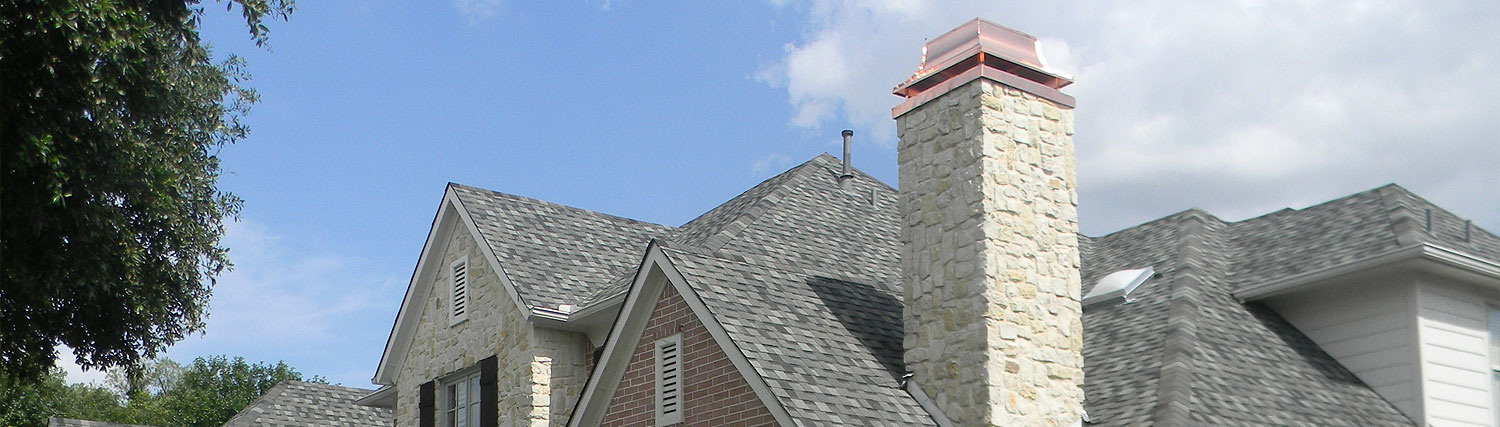
If your fireplace only smokes when the wind blows, the problem is almost never a dirty flue, it is at the top of your chimney. Wind rolling over your roof creates pressure that shoves air down the flue, and a missing or wrong-style cap, a short chimney, or nearby obstacles let it happen. All of these are fixable.
What Wind Actually Does to Your Chimney
A chimney works on draft: warm air rises, pulling smoke up and out. Wind disrupts that in three ways. It can blow directly down an unprotected flue. It can tumble over your roofline or nearby trees and create a downdraft zone right where your chimney exits. And in gusty conditions it can rapidly flip the pressure in the house, momentarily reversing the draft, that is the puff of smoke that comes with each gust.
The Usual Causes
No cap, or the wrong cap. An open flue is at the mercy of every gust. A standard cap helps; a wind-resistant or draft-correcting cap is designed specifically for this problem.
Chimney too short for the roofline. Code calls for the flue to stand at least 3 feet above the roof where it exits and 2 feet above anything within 10 feet. Chimneys that miss that rule sit inside the roof's turbulence zone.
Nearby trees or taller additions. A tree that grew over the years, or a second story added next door, can put your chimney top in a wind shadow it never used to be in.
A tight house. Modern weather-sealing means the fire can starve for makeup air; on windy days exhaust fans and pressure swings win the tug-of-war and smoke loses.
What You Can Safely Check
From the ground, look at the top of the chimney: is there a cap at all, and does the flue clearly stand above the nearby roofline? From inside, note exactly when the smoke appears, with every gust, only when the dryer or kitchen fan is running, or constantly. Those observations point a technician straight at the cause. Do not get on the roof, and do not experiment with taller fires to "push through" the smoke.
When to Stop Using the Fireplace
Occasional wind puffs are a nuisance; regular smoke rollout is a health issue. If burning on a windy day fills the room with smoke or sets off alarms, stop using the fireplace until the cause is fixed, smoke in the room always means combustion gases in the room too.
How a Professional Fixes It
A technician confirms the diagnosis with a draft check and a look at the termination height, then matches the fix to the cause: a wind-resistant chimney cap for direct blow-downs, a flue extension when the chimney sits too low, or draft-correction measures for pressure problems. A camera inspection rules out contributing blockages first, so you are never sold a fix for the wrong problem.
Honest Work at an Honest Number
Free online quotes · Photos before prices · HEPA dust control · Open 7 days
Call (214) 225-8874Get an Instant Estimate →📍 1008 Ridgefield Dr, Plano TX 75075 | 🕗 Open 7 days · 8AM-8PM
The DFW Factor
North Texas wind is not gentle, sustained 20 mph afternoons and 40+ mph storm gusts are routine from Fort Worth to Plano. Many DFW chimneys were built exactly to minimum height on low-slope roofs, which puts their tops squarely in the turbulence zone. A properly selected cap solves the majority of windy-day smoking we see across the metroplex.
Does your fireplace misbehave every time the wind kicks up? Tell us what you see, or send a photo of your chimney top, and request a Free Online Quote, or call (214) 225-8874. We will identify whether it is the cap, the height, or the draft before recommending anything.
Quick Answers
Will a chimney cap really stop wind-driven smoke?
If the cause is wind blowing down the flue, yes, a wind-resistant cap is designed for exactly that. If the cause is chimney height or house pressure, a cap alone will not solve it, which is why we diagnose before recommending.
Why does my fireplace smoke only during north winds?
Wind direction changes where turbulence forms around your roof. A chimney can sit in calm air during south winds and directly in a downdraft zone during northers, a classic sign the termination height or cap style is the issue.
Is windy-day smoke dangerous or just annoying?
Both. Visible smoke in the room means carbon monoxide is entering too. Occasional puffs warrant a fix soon; consistent rollout means stop burning until it is corrected.
Where to go next
Ready for the service? → Chimney Cap Replacement
Keep reading: → Fireplace Damper Stuck?
Did you like this article?
Your feedback helps us write better chimney guides for DFW homeowners.
Found a typo or wording we should improve? Email us and tell us exactly what to fix.