Lowes Chimney Sweep Blog
Does Homeowners Insurance Cover Chimney Damage After a Texas Storm?
By the Lowes Chimney Sweep crew · Plano, TX
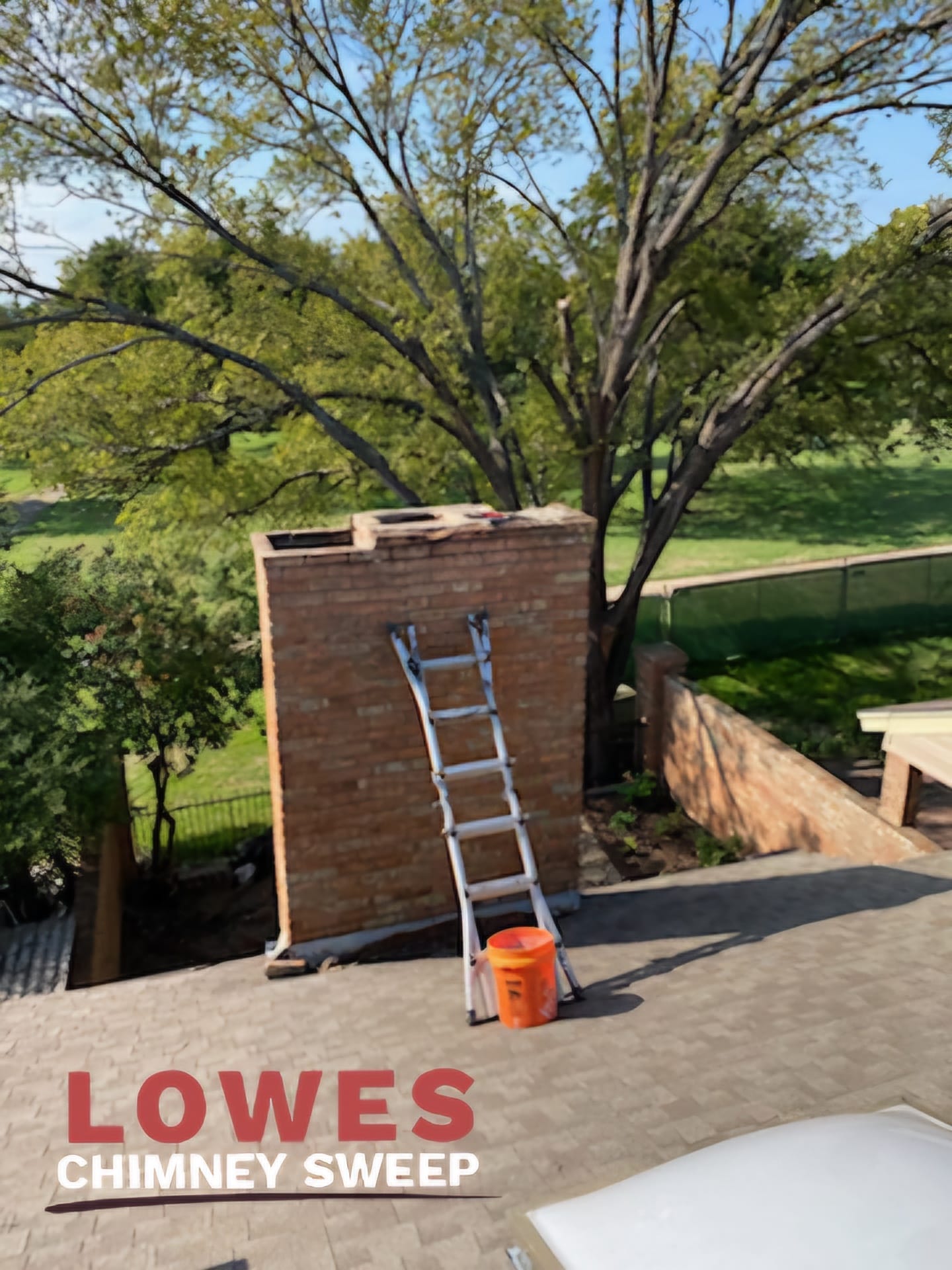
Sudden, storm-caused chimney damage, a hail-cracked crown, a cap thrown by straight-line winds, a lightning strike, is typically the kind of peril homeowners policies are written to cover, while gradual wear and deferred maintenance typically are not. That is the general pattern, and it is as far as we will go, because policies differ and your own policy and your agent are the only real authority on yours. We are chimney people, not insurance advisors. What we can do is explain how the pattern tends to play out and help you document your chimney well enough that the question gets a fair, factual answer.
Sudden Peril vs. Gradual Wear: The Line That Decides
Most homeowners policies are built around a simple idea: they respond to sudden, accidental events, not to slow deterioration. A hailstone that cracks a crown, a gust that tears off a cap, a lightning strike that splits a flue liner, those are datable events with a cause. Mortar joints that eroded over fifteen summers, brick faces that spalled through years of freeze-thaw cycles, a crown that crumbled a little more each season, that is maintenance, and maintenance is the homeowner's job in almost every policy's eyes.
The hard cases live in between. A storm that finishes off something already deteriorating, hail opening up a crown that carried a hairline crack, one violent gust removing a cap that had been loosening for years, is the gray zone, and gray-zone outcomes tend to turn on documentation. The homeowner who can show dated photos and a written professional report separating fresh impact damage from old wear walks into that conversation in a very different position than the one who cannot.
What You Can Safely Check, and Document
Stay on the ground; a roof after a storm is not the place for a homeowner. From the yard, photograph the chimney from every side you can see, with your phone's date stamp doing its quiet work. Walk the property for evidence, a cap or chase cover in the flowerbed, chunks of crown or brick on the lawn or in the gutters. Inside, photograph any new water staining on the ceiling or walls around the chimney. Do all of this before any repair happens, and keep every photo. Then get a professional inspection promptly, file promptly, and keep your description of events factual, what happened, when, and what changed.
When Storm Damage Means Stop Using the Fireplace
Whatever the claim timeline turns out to be, some storm damage is an immediate stop-use order. A chimney with displaced, shifted, or leaning masonry is a structural question, not a cosmetic one. A lightning strike can crack a flue liner internally with almost nothing visible from outside. And wind that drops debris, limbs, nest material, pieces of the cap itself, into an open flue leaves a blocked or partially blocked venting path. Insurance moves at insurance speed; the decision to stop using the fireplace is yours to make today, and it costs nothing to be right about it.
How a Professional Inspection Supports a Claim
This is where we actually fit. A proper chimney inspection after a storm produces a written, photographed report that states specifically what was found and distinguishes recent, impact-consistent damage from long-term wear, factual language an adjuster can work with. We do not inflate findings, and we do not speculate about coverage, because a report that overstates its case helps no one, least of all the homeowner relying on it. Once the claim resolves, however it resolves, our chimney repair work handles the actual rebuild: crowns, caps, masonry, flashing, and everything else the storm touched.
Honest Work at an Honest Number
Free online quotes · Photos before prices · HEPA dust control · Open 7 days
Call (214) 225-8874Get an Instant Estimate →📍 1008 Ridgefield Dr, Plano TX 75075 | 🕗 Open 7 days · 8AM-8PM
The DFW Factor
North Texas sits squarely in hail country, and the chimney is the highest, most exposed masonry on the house, it takes the hail, the wind, and the lightning first. The pattern we see after every major spring storm: the roof gets inspected and replaced, and the chimney gets ignored, because roofers are not masonry people and the chimney is not their job. If a storm was serious enough to involve your roofer, it was serious enough to have the chimney looked at in the same window, while the damage is fresh, datable, and easy to tell apart from ordinary wear.
Did a Texas storm leave your chimney cracked, capless, or leaning? Request a Free Online Quote or call (214) 225-8874, and we will inspect it, photograph everything, and put what we find in a written report your adjuster can actually use.
Quick Answers
Will my homeowners insurance pay for my chimney repair?
Only your policy and your agent can answer that, and we will never predict a claim outcome. The general pattern is that sudden, storm-caused damage is the kind of peril policies typically address while gradual wear is not, and a factual, photographed inspection report is what helps that distinction get made fairly.
Should I repair the storm damage before the adjuster has seen it?
Document first, dated photos and a written inspection report, and talk to your agent before any permanent repairs. Reasonable temporary protection to prevent further damage, like covering an open flue, is a different question from full repair, and your agent can tell you how your policy treats each.
Should I file the claim or get the chimney inspected first?
They can move in parallel, notify your agent promptly and schedule the inspection right away. The order matters less than the rule that does: nothing gets repaired until it has been photographed and written down, and your account of the storm stays factual.
Where to go next
Ready for the service? → Chimney Inspection
Keep reading: → Inspect After a DFW Storm?
Did you like this article?
Your feedback helps us write better chimney guides for DFW homeowners.
Found a typo or wording we should improve? Email us and tell us exactly what to fix.