Lowes Chimney Sweep Blog
What Should You Check on Your Chimney After Getting a New Roof?
By the Lowes Chimney Sweep crew · Plano, TX
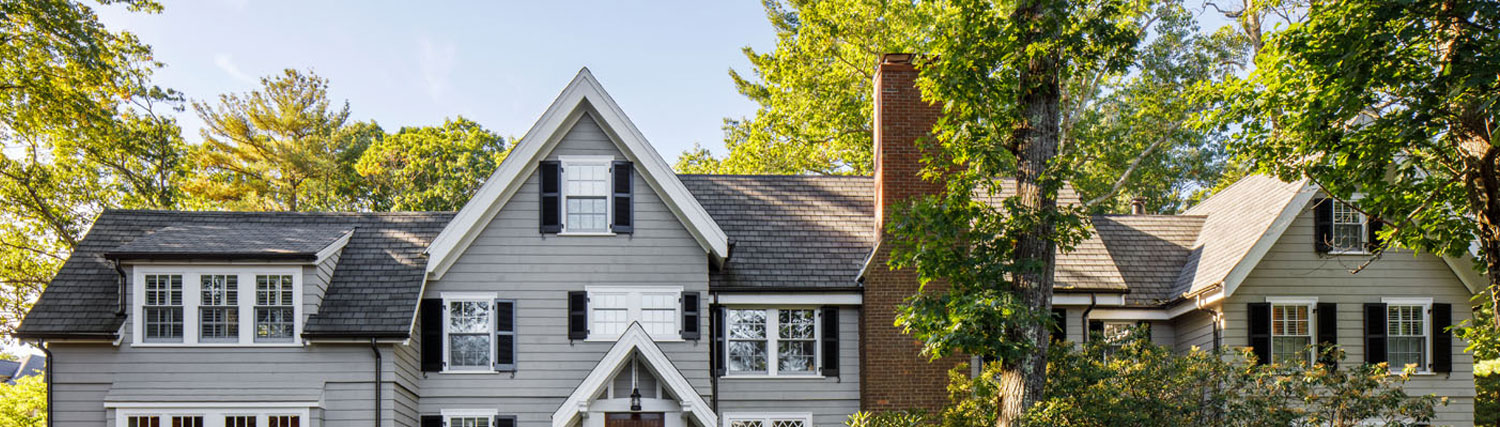
Within days of a new roof, check five things at the chimney: new counter-flashing cut into the mortar rather than tar smeared over the old metal, new step flashing under the shingles, a cricket behind any wide chimney, an undented cap or chase cover, and a debris-free flue. Each takes minutes to verify, and together they protect the five-figure investment sitting over your head. The best time to catch a shortcut is while the roofing crew is still answering the phone, not months down the road.
Why the Chimney Is Where Roof Jobs Cut Corners
A chimney is the hardest detail on any roof. Shingles are repetitive work; the chimney is a custom transition where roofing meets masonry, sealed by a two-part flashing system. Step flashing weaves under the shingles along the chimney sides, and counter-flashing overlaps it from above, with its top edge cut into a mortar joint in the brick. That second part is the catch: cutting and resetting counter-flashing is masonry-side work, and many roofing crews are not set up for it.
So the shortcuts are predictable. The old counter-flashing gets bent up, left in place, and bent back down over the new shingles. Or the whole junction gets a coat of roofing tar or sealant, which looks finished, sheds water for a season or two, then cracks. Neither is visible from the street, and neither fails on day one. That is exactly why a deliberate check matters.
What You Can Safely Check
Everything below can be checked from the ground with binoculars or a zoomed phone photo, plus one look inside the firebox. Stay off the roof, new shingles scuff easily, and a fall is never worth it.
Counter-flashing. The metal against the brick should look new, with a clean straight line where it enters a mortar joint. Dull old metal against bright new shingles, wavy edges, or any smear of black tar along the brick line means the old flashing was reused or patched.
Step flashing. Along the chimney sides, look for the small stair-stepped metal pieces at each shingle course. They should match the new roof, uniform new metal, not rusty or paint-flaked pieces carried over from the old one.
The cricket. A chimney wider than about 30 inches across the slope should have a small peaked diverter on its uphill side, splitting water around the masonry. If your old roof had one and the new roof does not, ask why.
The cap and chase cover. Crews walk the roof, lean ladders, and stack bundles near chimneys. Look for a dented chase cover, ponding water finds dents, a crushed or tilted cap, or a shroud knocked out of level.
The flue. Tear-off rains grit, nails, and shingle fragments down an uncapped flue. Open the damper and shine a flashlight up from the firebox; granules or debris on the smoke shelf mean the flue caught part of the demolition.
Red Flags That Mean Act Now
Three findings should move you from watching to making a call this week: fresh tar smeared along the brick line, counter-flashing that is visibly the old metal reused, and a missing cricket on a wide chimney. None of them will leak today, all of them will leak eventually, and the window for a no-argument fix is now, while the invoice is recent and the roofer's workmanship warranty is easy to invoke. Most of the after-reroof chimney leaks we are called to diagnose trace back to one of these three, months later, once the stain is already on the ceiling.
How a Professional Verifies a Reroof
A post-reroof chimney inspection puts a technician on the roof to check what binoculars cannot: whether the counter-flashing is truly set into a mortar joint or just surface-glued, whether step flashing runs under each course, how the cricket ties in, and the condition of the crown, cap, and chase cover, with photos of every detail, so you hold a record while the roofer's warranty is active. If the flashing was reused or tarred over, our chimney flashing repair corrects it the permanent way: old metal out, new counter-flashing cut into the mortar joints and sealed at the reglet, layered over the step flashing so water sheds by gravity instead of by caulk.
Honest Work at an Honest Number
Free online quotes · Photos before prices · HEPA dust control · Open 7 days
Call (214) 225-8874Get an Instant Estimate →📍 1008 Ridgefield Dr, Plano TX 75075 | 🕗 Open 7 days · 8AM-8PM
The DFW Factor
North Texas roofs are replaced on hail time, not on age. After a spring storm, entire neighborhoods in Plano, Frisco, and Arlington get reroofed within weeks, insurance-funded jobs, high volume, crews moving house to house on a tight schedule. Most of that work is solid. But speed is exactly where chimney details get skipped, because the chimney is the slowest part of the job and the least visible from the curb. An insurance reroof deserves the same chimney-side verification as any other, arguably more.
New roof just wrapped up at your house? Snap a few photos of the chimney line and request a Free Online Quote, or call (214) 225-8874. We will tell you honestly whether the flashing was done right, and document it while your roofer's warranty still has teeth.
Quick Answers
Should my roofer have already handled the chimney flashing?
A good roofing crew does, and many DFW roofers do it right. But counter-flashing is masonry-side work that some crews reuse or tar over to keep moving, and the difference is invisible from the street, which is why a quick verification protects you and the roofer alike.
How soon after the reroof should I run this checklist?
Within the first week, and before the first heavy rain if you can. That keeps you inside the window where the roofer is still responsive and any correction is a simple warranty conversation instead of a dispute.
What does a post-reroof chimney check cost?
An inspection is a small fraction of what the roof itself cost, and far less than repairing a ceiling after a slow flashing leak. If everything was done right, you get documented proof; if not, you get evidence while the fix is still the roofer's responsibility.
Where to go next
Ready for the service? → Chimney Flashing Repair
Keep reading: → Roofer or Chimney Specialist?
Did you like this article?
Your feedback helps us write better chimney guides for DFW homeowners.
Found a typo or wording we should improve? Email us and tell us exactly what to fix.