
Lowes Chimney Sweep Blog
Can a Roofer Properly Repair Chimney Flashing, or Should I Call a Chimney Specialist?
By the Lowes Chimney Sweep crew · Plano, TX
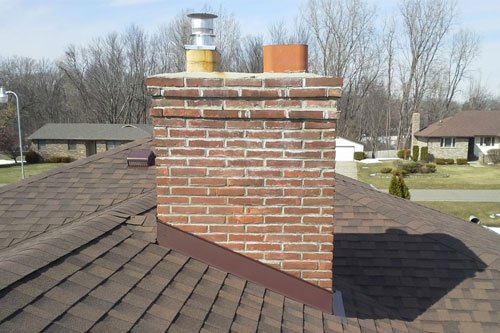
A good roofer can handle the roof side of flashing, but flashing fails just as often on the chimney side, where the metal meets brick and mortar, and that is chimney-specialist territory. The honest answer is that it depends on where the flashing is failing, and a proper diagnosis tells you before anyone starts billing.
What Flashing Actually Is
Flashing is the two-layer metal system that seals the joint where your chimney rises through the roof. Step flashing tucks under the shingles; counter-flashing is cut into a mortar joint in the chimney and folds down over the step flashing. Water can defeat either layer, and each layer belongs to a different trade.
Where Roofers Excel, and Where They Stop
Roofers install step flashing correctly when they lay a roof; it is part of their craft. The trouble starts on the chimney side. Counter-flashing must be let into a grinder-cut reglet in the mortar joint and sealed with the right materials, and failing mortar joints, spalling brick, or a cracked crown above will keep feeding water behind brand-new flashing. We regularly see chimneys where the flashing has been replaced twice by two different roofers and the "flashing leak" turns out to be a crown crack or saturated masonry the whole time.
What You Can Safely Check
From the ground with binoculars, look for lifted or wavy metal where chimney meets roof, rust streaks, tar smears from past quick fixes (a red flag), and gaps where the counter-flashing meets the brick. Inside, note whether ceiling stains appear near the chimney after long soaking rains, brief downpours, or both, the pattern helps identify the entry point. Stay off the roof; flashing diagnosis on a pitched roof is not a homeowner job.
When to Act Quickly
Flashing leaks rarely announce themselves loudly. By the time a ceiling stain shows, water has usually been entering for months, soaking framing, insulation, and the chimney's own masonry. If you see active dripping or a spreading stain during rain, treat it as urgent: every additional storm compounds the repair bill.
How a Chimney Specialist Approaches It
A chimney technician diagnoses the whole water path, not just the metal: crown, mortar joints, brick faces, cap, and flashing as one system. If the flashing itself has failed, proper chimney flashing repair means new step and counter-flashing with the counter-flashing ground into the mortar joint, not surface-glued, not tarred. If the real entry point is above the flashing, you find out before paying for metal that would not have fixed the leak. You should get photos of everything found, and the work should come with the masonry side properly sealed.
Honest Work at an Honest Number
Free online quotes · Photos before prices · HEPA dust control · Open 7 days
Call (214) 225-8874Get an Instant Estimate →📍 1008 Ridgefield Dr, Plano TX 75075 | 🕗 Open 7 days · 8AM-8PM
The DFW Factor
North Texas roofs get replaced often, hail sees to that, and every roof replacement is a moment where chimney flashing gets reused, bent, or hastily re-tarred by a crew racing through an insurance job. After a new roof anywhere in Dallas-Fort Worth, it is worth having the chimney side inspected independently. It is a short visit that regularly catches problems while they are still cheap.
Seeing stains near the chimney, or just had a new roof installed? Send us a photo of your roofline or request a Free Online Quote, or call (214) 225-8874. We will tell you whether it is a flashing problem, a masonry problem, or both, with photos, before recommending any repair.
Quick Answers
My roofer already replaced the flashing and it still leaks. Why?
The most common reasons: the counter-flashing was surface-mounted or tarred instead of cut into the mortar joint, or the water is actually entering above the flashing through a cracked crown or porous masonry and running down behind it. A chimney-side inspection identifies which.
Should flashing be replaced when I get a new roof?
Usually yes. Reusing old flashing on a new roof is a common shortcut that leads to leaks. At minimum, have the chimney side inspected right after the roof is completed, new-roof crews rarely touch the counter-flashing properly.
How do I know if a leak is flashing or the chimney crown?
You often cannot tell from inside the house, both show up as stains near the chimney. The pattern (soaking rains vs. every rain) gives clues, but a proper inspection of crown, masonry, and flashing together is the only reliable answer.
Where to go next
Ready for the service? → Chimney Flashing Repair
Keep reading: → Still Leaking After a New Roof?
Did you like this article?
Your feedback helps us write better chimney guides for DFW homeowners.
Found a typo or wording we should improve? Email us and tell us exactly what to fix.