
STRAIGHT ANSWER
How Often Should a Fireplace Be Cleaned? A Texas Homeowner Guide
Lowes Chimney Sweep · Plano, TX · Serving 98 DFW cities
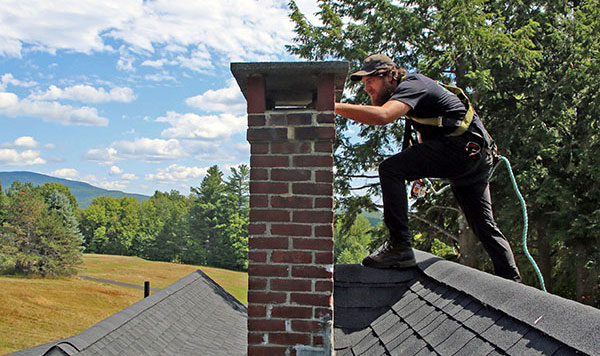
Most advice about cleaning frequency is written for people in Vermont who burn a cord of wood a month. Texas is a different climate and a different burning pattern. Here is how often your fireplace, specifically the part in your living room, actually needs attention when you use it the way North Texans use it.
The honest baseline: once a year
For most DFW homes, an annual fireplace cleaning is the right cadence, ideally in the fall before the first cold front. That single visit covers the firebox, the hearth, the grate, the glass, and the gas logs if you have them.
This is not a number we invented to sell visits. It lines up with the annual inspection that the National Fire Protection Association recommends for every chimney and fireplace, and it is the point at which a season of soot, ash, and humidity has done enough that removing it makes a visible difference.
Adjust for how you actually burn
If you use your fireplace most weekends from November through February, once a year is a minimum, and you will likely want the firebox cleaned mid-season as well, purely because ash accumulates faster than people expect.
If you light a fire three or four times a winter, which describes a lot of Texas households, the firebox may not look dirty enough to bother with. Clean it anyway, once a year. Ash is hygroscopic: it pulls moisture out of humid Texas air, and damp ash sitting against firebox masonry through a wet spring is what eats mortar joints and produces that sour fireplace smell in July.
Gas fireplaces are not exempt
A gas fireplace does not produce soot the way wood does, which convinces a lot of owners it never needs cleaning. In practice, the dust that settles on burner ports and logs is exactly what degrades the flame over time, and a gas unit that has gone five years without service usually looks tired: dull logs, sooty glass, a lazy flame.
Once a year, before the season, is right for gas too. The burner gets cleaned, the logs get cleaned and correctly repositioned, the glass gets cleared, and the venting gets inspected, which is the part that actually matters for safety.
Signs you are overdue right now
Ash piled deep enough to touch the bottom of the grate. Glass you can no longer see a flame through clearly. A smell that gets stronger on humid days. Soot streaking above the fireplace opening onto the wall. Gas logs that have turned uniformly gray-black rather than showing their molded detail.
Any of those means the fireplace is past due, regardless of what the calendar says.
What about the chimney itself?
Fireplace cleaning and chimney cleaning are different jobs, and they run on the same annual schedule for most homes. The flue needs sweeping based on how much creosote your burning habits produce, while the firebox needs cleaning based on ash and soot accumulation.
Doing them in the same visit is simply efficient. The technician is already there, the floor is already protected, and the vacuum is already running. There is no reason to split them into two appointments.
Where to go from here
Honest Work at an Honest Number
Free online quotes · Photos before prices · HEPA dust control · Open 7 days
Call (214) 225-8874Get an Instant Estimate →📍 1008 Ridgefield Dr, Plano TX 75075 | 🕗 Open 7 days · 8AM-8PM
If you want the job done properly, our fireplace repair, and our chimney sweep and cleaning, and our gas fireplace repair, and our fireplace cleaning vs chimney cleaning pages explain exactly what each visit covers. You can also see real jobs on our before and after gallery, or request your Free Online Quote.
Quick Answers
How often should a fireplace be cleaned?
Once a year for most Texas homes, ideally in the fall before you start burning. That covers the firebox, hearth, grate, glass, and gas logs. Heavy weekend users through the winter often benefit from a mid-season firebox cleaning as well, because ash accumulates faster than people expect.
Do I need to clean my fireplace if I barely use it?
Yes, once a year. Ash absorbs moisture out of humid Texas air, and damp ash sitting against firebox masonry through a wet spring is what deteriorates mortar joints and creates that sour fireplace odor in summer. Light use does not mean no maintenance.
How often should a gas fireplace be cleaned?
Annually, before the season. Gas does not produce creosote, but dust on the burner ports and logs degrades the flame, the glass clouds over, and the logs lose their detail. The venting also needs an annual inspection, which is the part that genuinely matters for safety.
How do I know if my fireplace is overdue for cleaning?
Ash deep enough to touch the bottom of the grate, glass you cannot see the flame through clearly, soot streaking onto the wall above the opening, a smell that worsens on humid days, or gas logs that have gone uniformly gray rather than showing their detail. Any one of those means it is overdue.
Should I remove all the ash from my fireplace?
Between fires, leaving a thin bed of ash under the grate is fine and actually helps a wood fire burn. At the end of the season, remove it all. Ash left in the firebox all summer draws moisture and is the single most common cause of the smell homeowners complain about in July.
Can I clean my fireplace myself?
You can shovel ash and wipe glass. Do not vacuum ash with a household vacuum, because fine soot passes straight through the filter into your air, and do not scrub firebox masonry with household cleaners, which damages mortar joints. The annual deep clean is worth having done properly.
Is it better to clean the fireplace in spring or fall?
Both, if you can. A spring cleanout removes the ash that would otherwise sit absorbing humidity all summer. A fall service gets everything ready before the first cold front and gets the inspection done before you light the first fire. If you are only doing one, do the fall visit.
Does cleaning the fireplace also clean the chimney?
No. They are different jobs on different parts of the same system. The fireplace is the firebox and hearth you see. The chimney is the flue above it. We generally do both in one visit, since the setup and cleanup are the same, but they are separate services.
How long does a fireplace cleaning take?
A standard fireplace cleaning takes under an hour on its own. Combined with a chimney sweep and inspection, plan on roughly an hour to ninety minutes for a single fireplace. Heavy buildup or a unit that has not been serviced in years takes longer, and we will tell you before we start.
Where to go next
Ready for the service? → Chimney Cleaning
Keep reading: → How Often Should You Sweep Your Chimney?
Did you like this article?
Your feedback helps us write better chimney guides for DFW homeowners.
Found a typo or wording we should improve? Email us and tell us exactly what to fix.